Rediscovering Delhi's Natural Heritage Through Tree Gazing
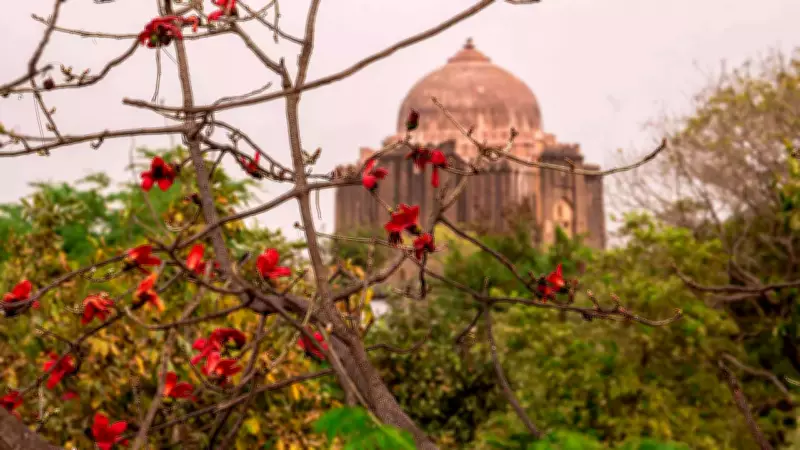
Have you recently walked through Lutyens' Delhi and noticed the vibrant red silk cotton flowers carpeting the ground? Did you pause to gaze upward at the magnificent crimson canopy of semal trees in full bloom? If these fleeting moments of natural beauty amidst the urban hustle have captured your attention, you might be ready to embrace the practice of tree gazing.
The Philosophy Behind Urban Tree Observation
Verhaen Khanna, founder of the New Delhi Nature Society and an environmental activist mapping Delhi's green zones, encourages residents to step outside and truly observe the city's floral landscape. "Spring is the most exciting season for tree gazing in Delhi," Khanna explains. "When we're on a tree walk, we don't just pass by – we stop, observe, and genuinely engage with each tree."
He emphasizes that the best way to understand a tree is to stand beneath it. "I encourage people to interact with the tree, touch the bark, notice textures, and even examine the ground. Often, fallen flowers lead you to a tree in bloom. In spring, many trees announce themselves this way, with their flowers, fragrance, and color drawing you in before you even look up. It's about slowing down and letting the tree reveal itself – its form, its story, and its place in the city."

Personal Experiences with Delhi's Tree Walks
Himangi Bhardwaj, who attended a tree walk with author Neha Sinha, shares her transformative experience: "The tree walk at Sanjay Van made me realize how close we are to nature, even in Delhi – from trees and birds to insects and animals like snakes that we often perceive as problems. In spring, you truly see how trees support the entire ecosystem."
Beyond the iconic semal, Delhi's springscape features numerous other species in full bloom, including palash, bakain, jacaranda, and bottle brush trees. Each contributes to the city's vibrant seasonal transformation.
Blending Poetry with Botanical Exploration
Aparna Sanjay, who moderates walks combining poetry with tree observation, reveals the deeper purpose behind these experiences. "At the heart of this poetry and tree walk is the idea of connecting with nature in deeper, more personal ways. Through SeasonWatch's Tree Festival, we encourage people to engage with their micro-ecology and notice phenology – the seasonal changes and life cycles of trees."
She describes how these walks typically begin with literature that deepens participants' bond with nature, followed by identification of trees through physical characteristics and exploration of folktales behind their names. "For instance, the Indian elm is often called 'chudail papdi' for the eerie sound of its dry pods. We also focus on native Aravalli species and spotting flowering trees like chamrod, bakain, semal, kanak champa, mango, and bauhinia."
Expert-Led Nature Walks Across Delhi
Kavita Prakash, founder of The Sausage Tree Nature Walks, explains her approach: "During a walk, participants are introduced to a handful of earmarked trees spaced out across the venue. The intent is to spark curiosity so that each person's learning journey becomes unique to them."
Prakash highlights Sunder Nursery as a particularly valuable location: "Sunder Nursery is Delhi's first arboretum, with an eclectic mix of native and exotic trees – from kusum and tecoma to wild almond, semal, and chamrod."
Sensory Engagement and Identification Techniques
Chandan Tiwari, who documents trees throughout the city, offers practical advice for aspiring tree gazers: "Walk slowly, observe carefully, smell the blossoms, and even taste cautiously – but only if you're absolutely certain about what you're sampling. Today, tools like Google Lens or AI can often help identify tree species, but the real joy lies in engaging your senses directly."
Discovering Delhi's Lesser-Known Tree Hotspots
Tiwari also suggests several underappreciated locations for tree observation throughout Delhi:

- Purana Qila: Features a mix of native and ornamental trees, including kachnar (bauhinia) with its orchid-like spring blooms and paras peepal tucked into quieter patches.
- Shalimar Bagh: Stands out for its remarkable diversity of fruiting trees.
- Roshanara Bagh: Look beyond obvious species like bistendu (Bombay ebony) to discover hidden botanical treasures.
- Swarna Jayanti Park: A treasure trove for seasonal fruiting, with abundant mulberries.
- Talkatora Garden and Safdarjung Tomb Gardens: Excellent for spotting diverse avenue and heritage trees.
The Transformative Power of Looking Up
As Verhaen Khanna observes, "The city seems painted red with semal trees in bloom. Look up from your phone and you'll begin to notice differences in leaf shapes, flowers, bark, and canopy – that's when the city's trees start to reveal themselves."
This spring, consider taking an unhurried walk through Delhi's green spaces – whether solo, with friends, or as part of organized nature walks. By practicing tree gazing, you'll not only witness the spectacular floral display but also connect with Delhi's living heritage in profound new ways.