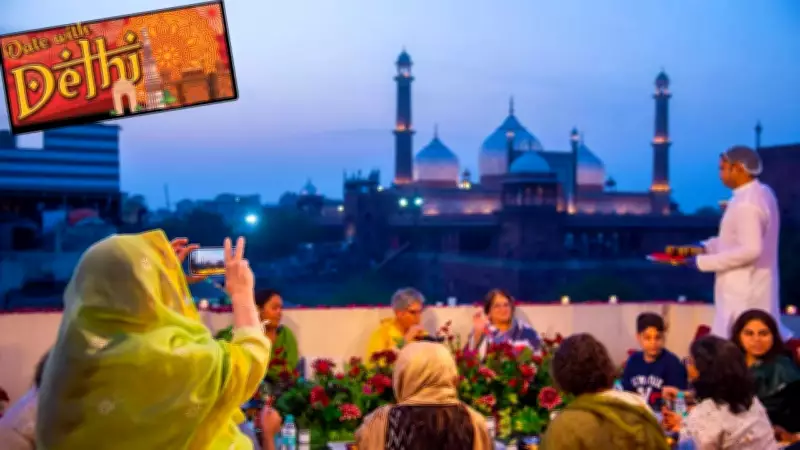
Delhi's Cultural Renaissance: Intimate Mehfils and Supper Clubs Redefine Weekend Experiences
In the bustling heart of India's capital, a quiet revolution is unfolding. Beyond the grand auditoriums and sprawling festivals, Delhi's cultural appetite is finding solace in intimate spaces—homes, havelis, and heritage monuments are becoming the new stages for thoughtful gatherings. This shift marks a departure from large-scale spectacles to immersive, meaningful experiences where the distance between artist and audience dissolves.
Reviving the City's Rhythms in Intimate Settings
Delhi's weekend culture is increasingly turning inward, with courtyards, terraces, and drawing rooms hosting curated events. Abu Sufiyan, founder of Tales of City, explains that his journey from heritage walks to curating gatherings like Jahaanuma Mehfil in living havelis aims to revive the city's older rhythms. "In these gatherings, homes and heritage spaces become vessels of continuity, not relics. It restores the intimacy that is missing in a big festival," he shares.
Tanvi Singh Bhatia, co-founder of IBTIDA, which recreates mehfil culture in spaces such as Safdarjung Tomb, emphasizes the traditional essence of these gatherings. "Traditionally, these gatherings took place inside homes and havelis, in courtyards, on takhats, under dim lamps, where music wasn’t performed at people, it was shared with them," she says. "There is a beautiful emotional choreography that takes place between the monument, artist, music, and audience. The energies are inexplicable."

Moving Away from Predictability and Echo Chambers
Sukanya Banerjee, founder of the home concert series Upstairs With Us, highlights the disappearance of traditional third spaces in Delhi. "Our lives are now largely lived indoors, and indoor lives are largely governed by algos. Our curation becomes the bridge from unknown to known," she notes. "These curated evenings serve an important role of pulling people out of our echo-chambers and giving them access to the parts and communities that we have lost to insularity."
Atul Khanna, founder of Kathika Cultural Centre and Museum, which hosts baithaks in haveli courtyards, adds, "Saving a haveli is like saving a life, and with cultural experiences, the haveli continues to thrive in the middle of Old Delhi." He observes an increase in all-women groups enjoying brunch with cultural programs, showcasing the community-building aspect of these gatherings.
Cultural Participation as an Extension of Identity
Arpita Sharma, co-founder of Once Upon India, sees curated gatherings as part of a deeper cultural shift. "The change we are witnessing is not limited to how people experience Delhi; it reflects a deeper shift in how people are choosing to spend their time, and how they identify themselves," she explains. People today are intentional about their time investments, seeking spaces aligned with their interests in music, poetry, or storytelling.
"Curated gatherings are very much the new cultural currency, not because they are fashionable, but because they respond to a genuine need. People want intimacy over noise, alignment over scale, and engagement over spectacle. And that is quietly reshaping the cultural fabric of Delhi," Arpita asserts.
Arjun Shivaji Jain, director of Red House in Okhla, echoes this sentiment, noting a move away from the predictable and pretentious. "People would like to sit down with 'family' again and write in the manner of Virginia Woolf, or eat pakore and chutneys native to the city, or co-create in a workshop," he says.
Savouring Food and Stories at Intimate Supper Clubs
Delhi's dining culture is also evolving, with intimate supper clubs and home tables gaining momentum. These gatherings, hosted by chefs and home cooks, offer more than just food—they blend regional cuisine with storytelling and conversation. Guests spend hours at the table, sharing meals inspired by family recipes and seasonal ingredients, fostering a sense of community.

Pricing Culture: Restoring Dignity and Sustainability
This revival is not just emotional; it is structural. Curated mehfils are now consciously ticketed to position them as complete cultural experiences. Tanvi Singh Bhatia points out the historical imbalance where traditional arts were often free or low-cost, while commercial concerts commanded premium prices. "For us, that imbalance needed correction," she says.
By ticketing mehfils in alignment with artist stature, entities like IBTIDA reframe audiences as patrons. "Charging for tickets was never about exclusivity. It was about repositioning traditional arts within the contemporary entertainment economy," Tanvi explains. This approach fosters intentional engagement and emotional investment from audiences.
"Our business model is built on the belief that sustainability in culture requires financial integrity. By formalising ticketing and valuing these performances appropriately, we are not commercialising tradition; we are protecting it," she observes. This shift from free cultural evenings to valued experiences marks a significant transformation in Delhi's weekend culture.