Chaitra Navratri 2026: A Comprehensive Guide to the Nine-Day Festival
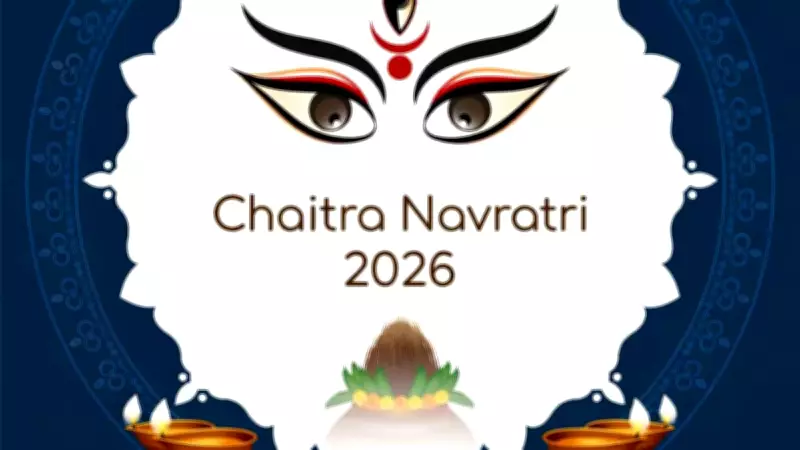
Chaitra Navratri, a revered Hindu festival dedicated to Goddess Durga, is set to be observed in 2026 with great devotion and fervor. This nine-day celebration marks the beginning of the Hindu New Year in many regions and is a time for spiritual renewal, fasting, and elaborate rituals. In 2026, Chaitra Navratri is expected to commence on March 18, 2026, and conclude on March 26, 2026, culminating with Ram Navami on the final day. This period is considered highly auspicious for seeking divine blessings and embarking on new ventures.
Significance and Spiritual Importance
Chaitra Navratri holds immense spiritual significance as it symbolizes the victory of good over evil, commemorating the triumph of Goddess Durga over the demon Mahishasura. It is a time for devotees to purify their minds and bodies through fasting, prayer, and meditation. The festival is not only a religious observance but also a cultural event that fosters community bonding and traditional practices. Observing the rituals with sincerity is believed to bring prosperity, health, and protection from negative energies.
Detailed 9-Day Rituals for Chaitra Navratri 2026
Each day of Chaitra Navratri is dedicated to a different form of Goddess Durga, and specific rituals are performed to honor her. Here is a day-by-day breakdown of the practices:

- Day 1 (Pratipada): Dedicated to Goddess Shailputri, the first day involves Ghatasthapana (installation of the sacred pot) and sowing barley seeds. Devotees begin their fasts and offer prayers for strength and stability.
- Day 2 (Dwitiya): Honoring Goddess Brahmacharini, this day focuses on meditation and austerity. Offerings of sugar and fruits are made to seek wisdom and marital bliss.
- Day 3 (Tritiya): Dedicated to Goddess Chandraghanta, rituals include chanting mantras and lighting lamps. It is believed to ward off evil and bring peace.
- Day 4 (Chaturthi): Worship of Goddess Kushmanda involves offering flowers and sweets. This day is associated with creativity and energy.
- Day 5 (Panchami): Honoring Goddess Skandamata, devotees pray for the well-being of children. Fasting and reciting scriptures are common practices.
- Day 6 (Shashthi): Dedicated to Goddess Katyayani, this day includes elaborate pujas and offerings of honey. It symbolizes courage and victory.
- Day 7 (Saptami): Worship of Goddess Kalaratri involves night vigils and offerings of jaggery. It is meant to remove obstacles and fears.
- Day 8 (Ashtami): Honoring Goddess Mahagauri, this day includes Kanya Pujan (worship of young girls) and offering coconut. It signifies purity and forgiveness.
- Day 9 (Navami): Dedicated to Goddess Siddhidatri, the final day involves breaking the fast after Havan (fire ritual) and distributing prasad. It marks the culmination with blessings for success.
Essential Practices and Tips for Observance
To make the most of Chaitra Navratri 2026, devotees should adhere to certain guidelines. Fasting is a key aspect, with many opting for a sattvic diet that excludes grains, onions, and garlic. Regular prayers, chanting of Durga Saptashati, and visiting temples are encouraged. Maintaining cleanliness and avoiding negative thoughts are crucial for spiritual growth. It is also recommended to engage in charitable acts, such as donating food or clothes, to enhance the festival's positive impact.
Cultural and Regional Variations
Chaitra Navratri is celebrated with regional variations across India. In North India, it coincides with Ram Navami and involves processions and recitals of Ramayana. In Maharashtra, it marks Gudi Padwa, the New Year, with decorations and feasts. South Indian states observe it with special pujas and cultural programs. Despite these differences, the core theme of devotion to Goddess Durga remains universal, uniting devotees in a shared spiritual experience.

As Chaitra Navratri 2026 approaches, planning ahead for the rituals can help devotees immerse themselves fully in the festival's sanctity. By following the traditional practices with dedication, one can seek divine grace and usher in a year of happiness and prosperity.