UN Reports Daily Classroom of Children Casualties in Lebanon Conflict
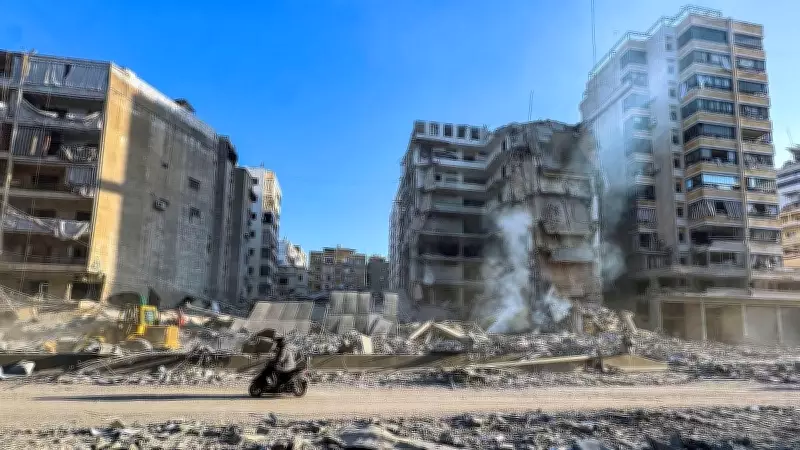
According to a stark assessment from the United Nations, the ongoing conflict in Lebanon is inflicting devastating daily tolls on children, with casualties equivalent to an entire classroom being hurt or killed each day. This alarming statistic underscores the severe humanitarian impact of the hostilities, which have escalated significantly in recent months.
Official Health Ministry Figures Reveal Grim Reality
Lebanese health ministry data provides concrete evidence of this tragedy, reporting that at least 111 children have been killed and 334 others wounded in Israeli strikes on Lebanon since March 2. These numbers translate to an average of multiple child casualties daily, highlighting the relentless nature of the violence and its disproportionate effect on the youngest and most vulnerable population.
The figures, which cover a period of intense military activity, indicate a systematic pattern of harm that extends beyond immediate fatalities to include serious injuries with long-term physical and psychological consequences. The health ministry's records are considered a reliable source, offering a grim snapshot of the conflict's human cost.

Context and Implications of the Conflict
The conflict, which has drawn international attention and concern, involves Israeli military operations in Lebanon, with tensions rooted in broader regional dynamics. The United Nations has repeatedly called for the protection of civilians, especially children, in accordance with international humanitarian law, but the latest data suggests these appeals have not been heeded effectively.
Experts warn that the daily classroom analogy used by the UN is not merely rhetorical; it reflects a real and ongoing crisis where educational and developmental opportunities for children are being shattered by violence. Schools and communities are disrupted, leaving lasting scars on Lebanon's future generations.
International Response and Future Outlook
The international community, including organizations like the UN, is monitoring the situation closely, with calls for ceasefire and diplomatic resolutions growing louder. However, as the casualty figures continue to rise, the urgency for immediate action to safeguard children's lives and well-being becomes ever more critical.
This report is based on information from Lebanese health ministry sources and United Nations assessments, highlighting the need for sustained global engagement to address the humanitarian fallout in Lebanon.