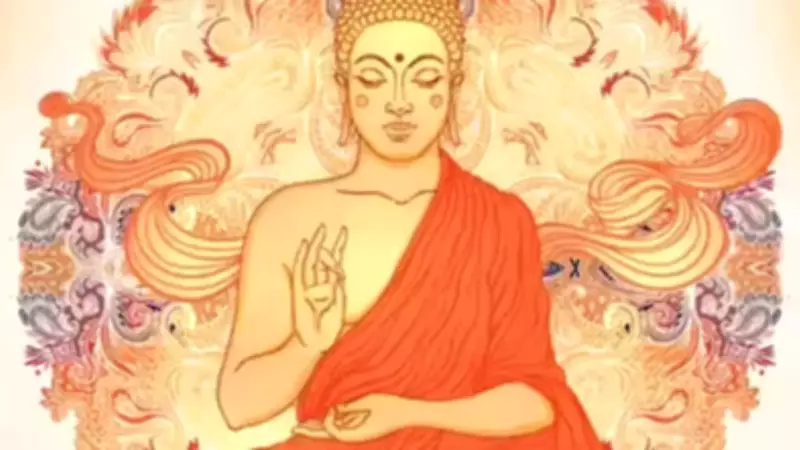
The Timeless Wisdom of Buddha: Why Conquering Yourself Outshines All External Victories
In an era marked by global conflicts and personal struggles, an ancient teaching from Gautama Buddha offers profound insight that transcends centuries. The core Buddhist belief emphasizes that true achievement lies not in vanquishing external foes, but in mastering one's own mind and desires. This philosophy presents self-conquest as the ultimate victory, surpassing all triumphs in physical combat against thousands of adversaries.
The Historical Context: Gautama Buddha's Spiritual Journey
Gautama Buddha, who lived during the 6th to 5th centuries BCE, fundamentally transformed spiritual thought through his teachings. Born as Prince Siddhartha, he deliberately abandoned his royal privileges and luxurious existence to embark on a quest to end human suffering. After years of dedicated meditation and intense spiritual exploration, he achieved enlightenment while seated beneath the sacred Bodhi Tree in Bodh Gaya.
His revolutionary philosophy centers on the Four Noble Truths and the Eightfold Path, which together provide a structured framework for liberation from suffering. Buddha consistently emphasized essential human qualities including deep self-awareness, boundless compassion, mindful moderation, and rigorous mental control as pathways to genuine peace and fulfillment.

The Pivotal Teaching: Original Verse and Translation
The teaching finds its most powerful expression in a specific verse from the Dhammapada, one of Buddhism's most revered and widely studied scriptures. Appearing as Verse 103, the original Pali text states:
Original Pali Verse: "Yo sahassaṃ sahassena saṅgāme mānuse jine, Ekañca jeyya attānaṃ sa ve saṅgāmajuttamo."
English Translation: "Though one may conquer a thousand men in battle a thousand times, The one who conquers himself is the greatest victor."
Deep Meaning and Contemporary Relevance
This profound teaching illuminates that authentic strength emerges when individuals confront and overcome their internal weaknesses rather than attempting to dominate others. Human existence involves constant struggle with destructive emotions including anger, greed, jealousy, ego, and fear. Buddha's comprehensive teachings explain that much of life's suffering originates from being controlled by these powerful internal forces.
The path to conquering these psychological and emotional challenges demands unwavering patience, consistent mindfulness, and disciplined practice. A person who successfully masters their mental processes, emotional responses, and personal desires achieves a victory far greater than any triumph in physical combat or competitive endeavors. This internal conquest represents the highest form of achievement in Buddhist philosophy.
Practical Application in Modern Life
The teaching maintains its powerful impact across millennia by encouraging individuals to cultivate self-discipline while developing heightened awareness and achieving genuine inner peace. In today's complex world, where external conflicts and personal challenges abound, Buddha's wisdom offers a transformative perspective:
- Mindfulness Practice: Regular meditation and self-reflection to recognize emotional patterns
- Emotional Regulation: Developing techniques to manage anger, desire, and fear
- Compassionate Living: Extending understanding to oneself and others
- Disciplined Action: Making conscious choices aligned with ethical principles
This ancient wisdom continues to resonate because it addresses fundamental human experiences that transcend cultural and temporal boundaries. The teaching reminds us that while external achievements may bring temporary satisfaction, lasting fulfillment comes from the challenging but rewarding journey of self-mastery.