Beed Village's Holi Tradition: A Donkey Procession to Honor a Son-in-Law
In a vibrant and unique celebration that has captured hearts across Maharashtra, a village in the Beed district marked the festival of Holi with a special tradition: honoring a son-in-law with a donkey procession. This event, which took place on the day of Holi, showcases the rich cultural tapestry of rural India, where festivals are often intertwined with local customs and familial bonds.
The Festive Procession in Detail
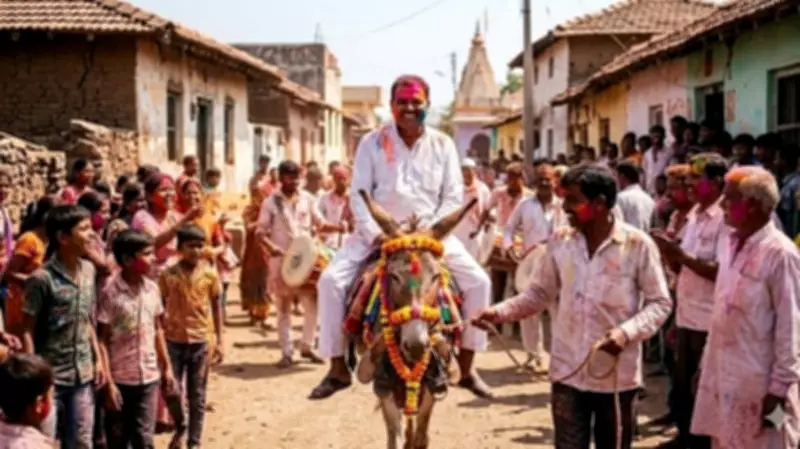
The procession was organized in a small village in Beed, where community members came together to celebrate the arrival of a son-in-law. According to local reports, the son-in-law was seated on a decorated donkey, which was paraded through the village streets. The donkey was adorned with colorful garlands, traditional ornaments, and festive attire, reflecting the joyous spirit of Holi.
Villagers participated enthusiastically, singing folk songs, dancing, and applying gulal (colored powder) to each other, as is customary during Holi. The procession moved slowly, allowing everyone to join in the festivities and offer their blessings to the son-in-law. This act is seen as a gesture of respect and welcome, symbolizing the integration of the son-in-law into the family and community.

Cultural Significance and Local Reactions
Such processions are not uncommon in rural parts of Maharashtra, where donkeys are sometimes used in ceremonies to add a touch of humor and light-heartedness. However, this particular event gained attention due to its timing on Holi, a festival known for its exuberance and color. Locals explained that the donkey procession is a way to honor sons-in-law, who are often treated with great affection and regarded as blessings in many Indian families.
Eyewitnesses described the atmosphere as lively and inclusive, with people of all ages taking part. The son-in-law, reportedly delighted by the gesture, smiled and waved at the crowd, embracing the tradition wholeheartedly. This celebration highlights how rural communities preserve and adapt their customs, making festivals like Holi not just about revelry but also about reinforcing social ties.
Broader Context and Similar Traditions
In Maharashtra, various villages have unique ways of celebrating festivals, often involving animals or symbolic acts. For instance, in some regions, bulls or horses are used in processions during weddings or religious events. The donkey procession in Beed stands out for its focus on familial honor, particularly towards sons-in-law, who are sometimes celebrated with playful rituals to ease their transition into new families.
This event also underscores the diversity of Holi celebrations across India. While urban areas might focus on parties and color fights, rural communities often blend the festival with local traditions, creating memorable experiences that strengthen community bonds. The Beed village's initiative has been praised on social media and local news outlets for its creativity and warmth.
As Holi continues to be a time for joy and togetherness, such stories remind us of the deep-rooted customs that make Indian festivals so vibrant. The donkey procession in Beed is a testament to how even simple acts can become cherished traditions, passed down through generations.