The ancient coastal town of Dwarka in Gujarat, steeped in the lore of Lord Krishna, is poised for a significant new chapter of archaeological discovery. Senior officials from the Archaeological Survey of India (ASI) have confirmed plans for renewed and extensive excavations, both on land and beneath the waves of the Arabian Sea.
Modern Tech for Ancient Mysteries: The New Excavation Phase
This upcoming exploration phase is designed to be far more systematic and wide-ranging than previous efforts. Alok Tripathi, the Additional Director-General of ASI, revealed that the agency's Underwater Archaeology Wing (UAW) will target new areas at Beyt Dwarka and previously uncharted underwater zones. "Dwarka has been under study for nearly 40 years, but the work so far has been limited in scope and objectives. We are now examining the other side of the mouth of the Gomti river," Tripathi stated.
The project will leverage modern tools and technology to facilitate larger and deeper excavations offshore. Tripathi, who was part of a five-member UAW team that conducted underwater exploratory work at Dwarka in February 2023, emphasized the upgraded approach. The site gained national prominence last year when Prime Minister Narendra Modi dived off the Dwarka coast to view submerged remains on the seabed.

Focus on Land: Uncovering a Hidden Settlement
On land, archaeologists will shift their focus to relatively undisturbed sections of Beyt Dwarka, moving beyond the previously concentrated cliff area. "We are now going deeper inside the forest area, where we have observed signs of a significant settlement," explained Tripathi. He added that this site holds remarkable features, and excavations at lower levels could unveil crucial details about settlement planning, economic activities, arts and crafts, and the daily life of its ancient inhabitants.
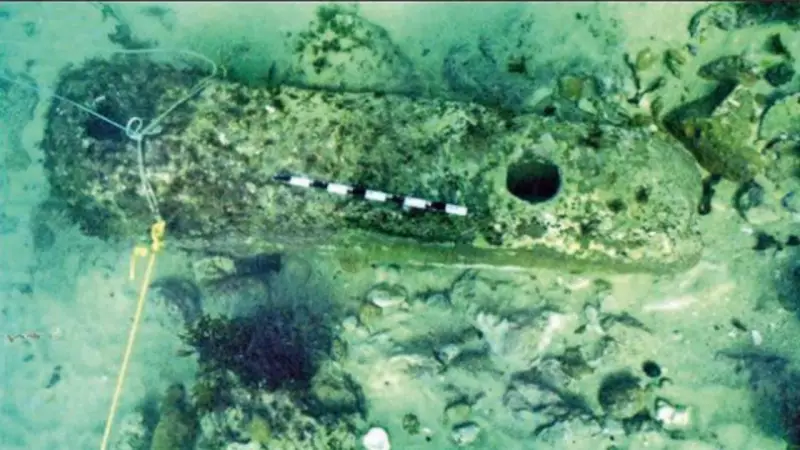
The legend of Dwarka, believed to be the kingdom founded by Lord Krishna and later submerged by the sea, has long fueled archaeological interest. The ASI's own records note that explorations began to understand submerged remains after sculptures and stone anchors were found during low tide. Past excavations have already yielded a wealth of antiquities, including terracotta objects, beads, bangle fragments, copper rings, iron ingots, and various pottery.
Gujarat's Broader Archaeological Renaissance
The renewed push in Dwarka is part of a larger wave of archaeological activity across Gujarat. The ASI has also initiated fresh work at other key sites, including Valabhipur, the ancient capital in Bhavnagar district, and the Harappan-era port of Lothal, famed for its sophisticated dockyard. With the upcoming National Maritime Heritage Complex near Lothal, archaeologists are using advanced techniques to expose a larger area of the site.
Tripathi stressed that archaeology's role extends beyond mere digging. "Our task is to place findings in perspective and fill gaps in historical understanding," he said, noting that India's use of technology in the field matches global standards and increasingly employs interdisciplinary methods.
Gujarat's rich archaeological tapestry has been highlighted over the past decade through major excavations, such as those at Vadnagar in Mehsana district, which revealed evidence of continuous habitation for over two millennia. The state also hosts premier Harappan sites like the UNESCO World Heritage Site of Dholavira, underscoring its deep and layered historical heritage.