Ancient Sewn Hide Discovery in Oregon Cave Rewrites North American Prehistory
Deep within the arid caves of Oregon, archaeologists have made a groundbreaking discovery that fundamentally reshapes our understanding of early human life in North America. Researchers have unearthed meticulously stitched pieces of animal hide, carefully assembled using plant fibers and animal hair, representing what experts now identify as the oldest known sewn hide on the continent.
A Remarkable 12,000-Year-Old Artifact
Scientific analysis confirms this extraordinary find dates back more than 12,000 years, placing it squarely within the challenging conditions of the Ice Age. This discovery transcends mere archaeological curiosity, offering profound insights into human survival strategies, environmental adaptation, and technological ingenuity during one of Earth's most demanding climatic periods.
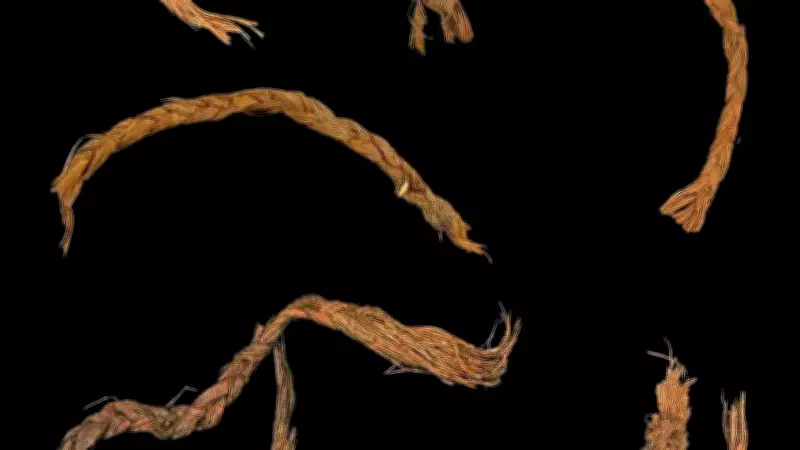
The artifacts originate from Cougar Mountain Cave, where researchers documented 55 distinct items crafted from hides, plant fibers, and bones. Many pieces exhibit clear evidence of sophisticated sewing techniques, featuring carefully tied knots and precise stitching that demonstrate advanced textile skills among ancient populations.

Sophisticated Ice Age Technology
Archaeologists discovered exceptionally well-preserved tiny needles at both Cougar Mountain and the nearby Paisley Caves, representing some of the finest Late Pleistocene artifacts ever recovered. These miniature yet highly functional tools enabled ancient humans to stitch hides with remarkable precision, creating durable garments capable of withstanding extreme environmental conditions.
The combination of plant fibers with animal hair produced cords and seams of exceptional strength, suggesting these early populations weren't merely making basic clothing but engineering sophisticated survival equipment. The fragments include tight-fitted hide pieces that potentially served as clothing, moccasins, storage bags, or even shelter components, with researchers noting the intentional tailoring evident in cordage and hide margins.
Survival During the Younger Dryas
These artifacts date to the Younger Dryas period approximately 12,900 to 11,700 years ago, when a sudden return to glacial conditions created exceptionally harsh living environments with scarce food resources. Clothing became absolutely critical for survival during this challenging era, and the sewn hides demonstrate how early humans developed innovative solutions to combat extreme cold.
The transition from fur and stitched hides to lighter plant-based textiles as the climate gradually warmed offers compelling evidence of human adaptability. Alongside the sewn pieces, researchers discovered twined fibers, cords, and woven fragments, indicating widespread fiber technology that extended beyond clothing to include ropes, nets, bags, and shelter components.
This remarkable Oregon discovery provides unprecedented evidence of how ancient North American populations not only survived but thrived through technological innovation during one of history's most challenging climatic periods, fundamentally expanding our understanding of early human capabilities and resilience.