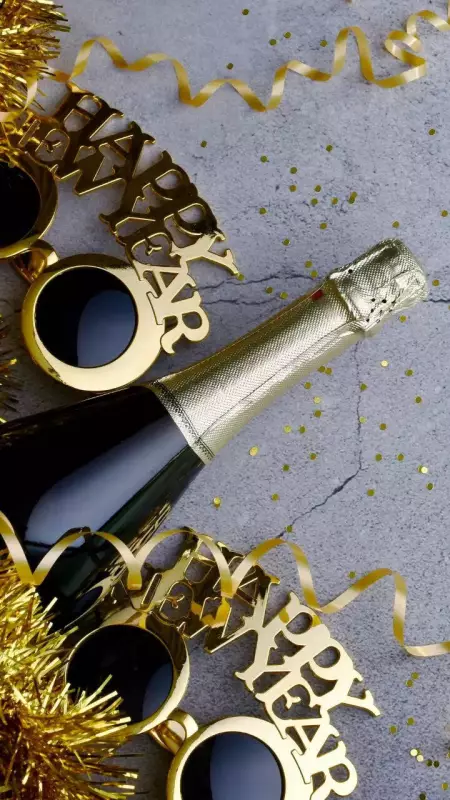
As the world prepares to bid farewell to 2025 and welcome 2026, diverse cultures are set to celebrate with unique and time-honored traditions. These customs, ranging from symbolic meals to loud noises meant to ward off evil, offer a fascinating glimpse into how hope and renewal are celebrated globally. Embracing these practices can add a layer of rich cultural significance to your own New Year's Eve festivities.
Global Rituals for Luck and Prosperity
Many New Year traditions are deeply rooted in the desire for good fortune in the coming twelve months. In Spain and several Latin American countries, the custom of eating 12 grapes at the stroke of midnight is a beloved ritual. Each grape represents one month of the new year, and successfully eating all twelve as the clock chimes is believed to secure a year filled with prosperity and luck.
Denmark offers a more explosive tradition for friendship. Danes celebrate by smashing old plates and glasses against the doors of their friends' and family's homes. A large pile of broken china at your doorstep on New Year's Day is considered a sign of great popularity and promises strong social bonds in the year ahead.

In the Philippines, the emphasis is on abundance and wealth. People make sure their pockets, wallets, and purses are filled with coins and cash as midnight approaches. The act of jingling this money is thought to attract financial prosperity and ensure that one's finances remain healthy throughout 2026.
Symbolic Foods and Cleansing Customs
Food plays a central role in New Year's symbolism across the globe. In the American South, eating black-eyed peas and collard greens on New Year's Day is a must. The peas symbolize coins, representing financial gain, while the greens resemble dollar bills, promising economic fortune for the new year.
Japan observes a solemn and cleansing tradition known as Joyanokane. Buddhist temples ring their bells precisely 108 times as the year turns. This sacred act is meant to purify listeners from the 108 worldly desires and sins defined in Buddhist belief, allowing them to start 2026 with a clean slate.
Colombia takes a more literal approach to travel and movement in the new year. As midnight strikes, many Colombians grab a suitcase and run around the block. This quirky and energetic tradition is performed with the hope that it will bring a year full of exciting journeys and new adventures.
Unusual and Loud Celebrations
Some traditions focus on making noise to drive away negativity. In Panama, effigies called muñecos, representing the old year, are burned at midnight. This dramatic act symbolizes letting go of past misfortunes and making room for new beginnings in 2026.
Ecuador has a unique and fiery custom. People create scarecrow-like dolls from old clothes and stuff them with newspaper. At midnight, these effigies are set ablaze, symbolizing the burning away of the previous year's negative energy and bad luck.
In Scotland, the famous celebration of Hogmanay includes the tradition of "first-footing." The first person to cross a home's threshold after midnight is believed to set the luck for the entire year. A dark-haired man bearing gifts like coal, shortbread, salt, or whisky is considered the most auspicious first-footer.
Finally, a widespread tradition involves making as much noise as possible. From banging pots and pans in Belgium to setting off fireworks worldwide, the cacophony is universally intended to scare away evil spirits and negative forces, ensuring a peaceful and positive start to 2026.
Bringing the World Home for Your 2026 Celebration
These ten traditions demonstrate humanity's shared desire to welcome the future with hope, cleanse the past, and attract good fortune. As 2026 approaches, consider incorporating one of these global customs into your own celebration. Whether it's eating twelve grapes for monthly luck, jingling coins for prosperity, or simply making a joyful noise, you can connect with a world of cultural heritage as you step into the new year.