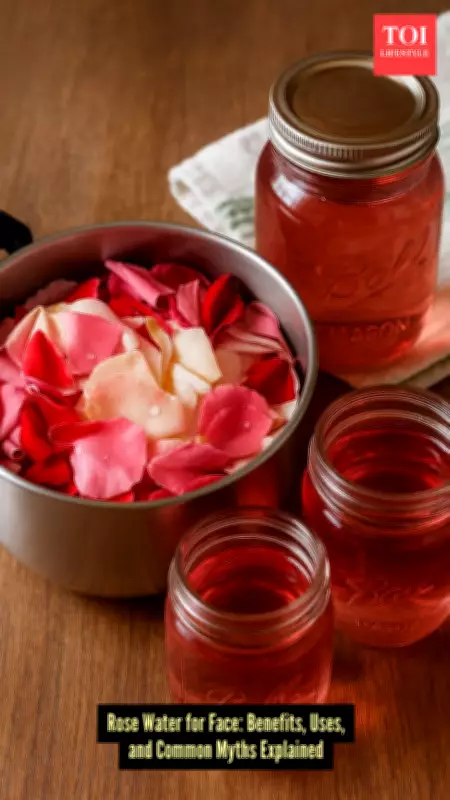
Rose Water for Skin: Unveiling the Truth Behind Beauty Claims
Rose water, a timeless beauty staple, has been celebrated for centuries in skincare routines across cultures. Derived from the distillation of rose petals, this fragrant liquid is often hailed as a miracle elixir for the skin. However, amidst the hype, it's crucial to distinguish between its genuine benefits and the pervasive myths that surround its use. This article delves into the science and tradition behind rose water, offering a clear perspective on what it can and cannot do for your skin.
The Real Benefits of Rose Water for Skin
Rose water boasts several proven advantages that make it a valuable addition to any skincare regimen. Its natural properties stem from the essential oils and antioxidants found in roses, which contribute to its therapeutic effects.
- Hydration and Moisturization: Rose water acts as a gentle humectant, helping to retain moisture in the skin. This makes it particularly beneficial for dry or dehydrated skin types, providing a soothing boost without clogging pores.
- Anti-inflammatory and Soothing: Rich in anti-inflammatory compounds, rose water can calm irritated skin, reduce redness, and alleviate conditions like rosacea or sunburn. Its cooling effect offers immediate relief for sensitive skin.
- Antioxidant Protection: The antioxidants in rose water, such as flavonoids and phenolic acids, help combat free radicals that cause premature aging. This can contribute to a more youthful complexion by minimizing fine lines and wrinkles.
- pH Balancing: Rose water has a pH level close to that of healthy skin, making it an excellent toner to restore the skin's natural balance. This can enhance the skin's barrier function and improve overall texture.
- Mild Astringent Properties: It can help tighten pores and reduce excess oil, making it suitable for oily or combination skin. However, it's gentle enough not to strip the skin of its natural oils.
Debunking Common Beauty Myths About Rose Water
While rose water offers tangible benefits, many exaggerated claims have led to misconceptions about its capabilities. It's important to set realistic expectations to avoid disappointment.

- Myth: Rose Water Can Cure Acne Overnight
Reality: Rose water has anti-inflammatory properties that may help reduce acne-related redness and swelling, but it is not a cure for acne. Acne is often caused by factors like bacteria, hormones, and clogged pores, which require targeted treatments. Rose water can be a supportive element in a skincare routine but should not replace medical advice or proven acne medications.
- Myth: It Acts as a Natural Sunscreen
Reality: There is no scientific evidence that rose water provides significant protection against UV rays. While its antioxidants may offer some defense against sun damage, it cannot substitute for a broad-spectrum sunscreen with adequate SPF. Always use proper sun protection to prevent skin cancer and premature aging.
- Myth: Rose Water Can Eliminate Dark Circles Completely
Reality: Rose water's soothing properties might temporarily reduce puffiness and lighten the appearance of dark circles due to its cooling effect, but it cannot address underlying causes like genetics, lack of sleep, or allergies. For lasting results, a comprehensive approach including lifestyle changes and specialized eye creams is necessary.
- Myth: It's a Miracle Anti-Aging Solution
Reality: While antioxidants in rose water can help fight signs of aging, it is not a standalone solution for reversing aging. Consistent use may support skin health, but effective anti-aging regimens typically involve retinoids, peptides, and sun protection. Rose water should be viewed as a complementary product rather than a primary anti-aging treatment.
How to Incorporate Rose Water into Your Skincare Routine
To maximize the benefits of rose water, it's essential to use it correctly. Here are some practical tips for integrating it into your daily skincare practices.

- As a Toner: After cleansing, apply rose water with a cotton pad to refresh and balance your skin's pH. This can prepare your skin for better absorption of serums and moisturizers.
- In DIY Face Masks: Mix rose water with ingredients like honey or aloe vera to create hydrating and soothing face masks. This can enhance the effects of other natural components.
- For a Refreshing Spritz: Keep a spray bottle of rose water handy to mist your face throughout the day. This can provide instant hydration and a calming sensation, especially in dry or stressful environments.
- In Combination with Other Products: Use rose water as a base for diluting essential oils or as an ingredient in homemade skincare formulations. Ensure you choose high-quality, pure rose water without added chemicals for the best results.
In summary, rose water is a versatile and beneficial skincare ingredient with proven advantages like hydration, soothing, and antioxidant protection. However, it is not a panacea for all skin concerns. By understanding its real benefits and debunking common myths, you can make informed decisions and incorporate rose water effectively into your beauty routine. Embrace it as a natural supplement to enhance skin health, but always rely on evidence-based practices for serious skincare issues.