

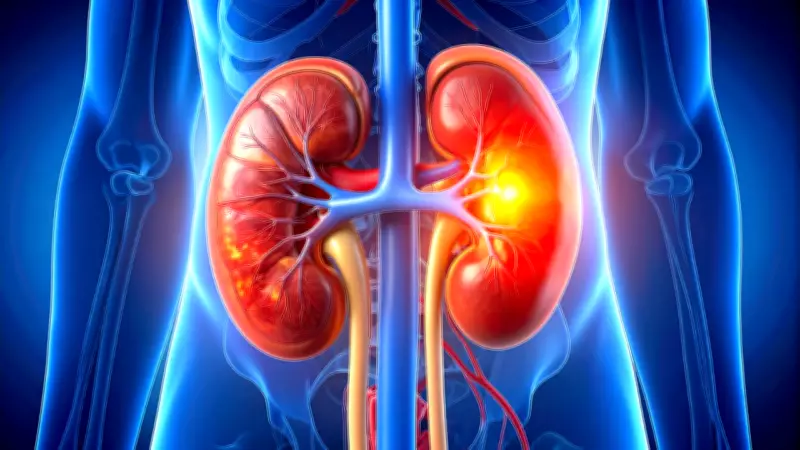
Uric Acid vs Creatinine: Decoding Kidney Health Markers and Their Vital Differences
Blood test reports often present a complex array of medical terminology that can be challenging to interpret. Among these, two specific markers—uric acid and creatinine—hold significant importance for assessing health. While both typically appear within kidney function panels, they reveal fundamentally different aspects of bodily processes. Understanding their distinct roles provides a more comprehensive health picture than examining either marker in isolation.
Creatinine: The Kidney's Performance Indicator
Creatinine serves as a reliable measure of kidney filtration efficiency. This waste product forms continuously through normal muscle metabolism and energy utilization. Healthy kidneys maintain consistent filtration of creatinine into urine, making elevated levels a potential indicator of reduced kidney function.
As medical experts explain, "Think of creatinine as your kidney's performance monitor—it reflects how effectively these vital organs are filtering waste from your bloodstream." Increased creatinine levels may signal various conditions including:

- Dehydration affecting kidney function
- Medication side effects
- Underlying kidney disease progression
- Reduced filtration capacity
Unlike some health markers, creatinine primarily reflects organ function rather than lifestyle factors, making it a crucial indicator for kidney health assessment.
Uric Acid: The Metabolic Messenger
Uric acid originates from the breakdown of purines—substances found in various foods including red meat, seafood, alcohol, and even healthy options like lentils. Unlike creatinine, uric acid levels demonstrate significant fluctuation based on multiple factors including dietary choices, hydration status, and metabolic processes.
Medical professionals describe uric acid as "a metabolic messenger that provides insights into how your body processes nutrients and manages waste products." Elevated uric acid levels often correlate with lifestyle patterns rather than direct kidney dysfunction, potentially indicating:
- High-purine dietary intake
- Inadequate hydration
- Metabolic imbalances
- Increased sugar consumption
Research published in scientific journals has established connections between rising uric acid levels and increasing prevalence of metabolic syndrome, particularly in urban populations where lifestyle factors significantly impact health markers.
Why These Markers Are Frequently Confused
The common association of both markers with kidney function panels naturally leads to confusion about their distinct purposes. However, their roles differ substantially:
Creatinine addresses a specific question: How efficiently are the kidneys filtering waste?
Uric acid explores a broader inquiry: How effectively is the body managing metabolic byproducts and dietary waste?
Medical experts emphasize that "understanding these markers provides clarity rather than concern—one reveals filter efficiency while the other offers insights into internal chemistry." Examining both markers together creates a more balanced health assessment than focusing on either individually.
Interpreting Elevated Levels: What Your Body Communicates
When creatinine levels rise, this typically indicates reduced kidney filtration efficiency. This elevation may result from temporary factors like dehydration or signal more serious conditions such as chronic kidney disease requiring medical attention.
Elevated uric acid presents different implications. High levels can lead to crystal formation that may settle in joints, potentially causing gout—a painful form of arthritis. The National Institutes of Health has documented increasing prevalence of hyperuricemia (elevated uric acid) in developing nations, often correlating with lifestyle-related health patterns.
Thus, while creatinine signals functional capacity, uric acid indicates metabolic balance—two distinct but interconnected aspects of health.
Management Approaches: Tailored Strategies for Each Marker
Managing creatinine levels focuses primarily on kidney protection through:

- Adequate hydration maintenance
- Blood pressure regulation
- Diabetes management when applicable
- Medication monitoring under medical supervision
Uric acid management emphasizes lifestyle modifications including:
- Reducing high-purine food consumption
- Limiting alcohol intake
- Improving hydration practices
- Addressing metabolic factors through dietary adjustments
Medical professionals advocate preventive approaches, noting that "monitoring both markers enables proactive health management rather than reactive treatment." This perspective encourages early awareness and intervention before significant health issues develop.
The Intersection: When Markers Converge
Certain health conditions cause simultaneous elevation of both creatinine and uric acid. Advanced kidney disease represents a primary example, where impaired kidney function reduces clearance of both waste products. This convergence provides valuable diagnostic information, potentially indicating when metabolic issues evolve into kidney concerns requiring specialized attention.
Contextual Interpretation: Beyond Isolated Numbers
Individual lab values rarely tell complete health stories. Multiple factors influence results including:
- Age and physiological changes
- Muscle mass variations
- Hydration status at testing time
- Recent dietary intake
- Medication regimens
Medical practitioners therefore emphasize trend analysis over time, considering symptoms alongside multiple markers rather than isolated readings. This comprehensive approach transforms health monitoring from panic-inducing numbers to meaningful perspective on bodily functions.
Understanding the distinct roles of uric acid and creatinine empowers individuals to engage more effectively with healthcare providers, ask informed questions about test results, and implement appropriate lifestyle adjustments when indicated. Regular monitoring of both markers, interpreted within proper medical context, supports early detection of potential health issues and promotes proactive wellness management.





