10 Oldest Metro Systems Still Operating: A Journey Through Urban History
Long before skyscrapers and automobiles dominated city landscapes, visionary urban planners were already looking beneath the surface for solutions to growing transportation challenges. During the late 19th and early 20th centuries, as populations surged in major global cities, traffic congestion became a critical issue. The innovative response was the development of rapid transit systems—underground railways, elevated tracks, and trenched lines designed to move massive numbers of people efficiently. These metro systems not only revolutionized urban mobility but also profoundly influenced city development, reducing travel times, expanding neighborhoods, fueling economic growth, and symbolizing modernization. Remarkably, many of these pioneering networks remain operational today, blending historical heritage with modern technology. Here is an in-depth exploration of the world's ten oldest metro systems and the iconic cities they helped transform.
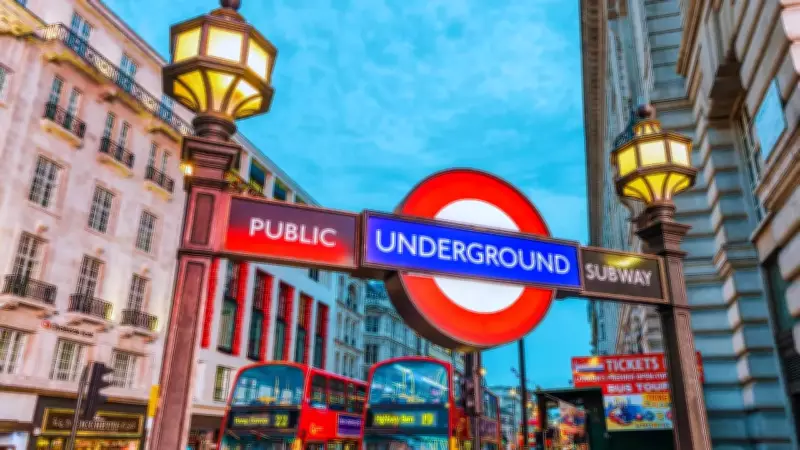
London Underground - 1890
The London Underground holds the distinction of being the world's oldest metro system. While the Metropolitan Railway debuted in 1863 using steam trains, the true modern metro era began in 1890 with the City and South London Railway, a deep-level electric railway. Known affectionately as The Tube, this system has inspired metro networks globally. Its iconic map design, roundel symbol, and the famous warning "Mind the Gap" have achieved worldwide recognition, cementing its status as a cultural and transportation landmark.
Budapest Metro - 1896
Europe's oldest underground metro, the Budapest Metro, was inaugurated in 1896 to celebrate a millennium of Hungarian statehood. The Millennium Underground Railway runs beneath Andrássy Avenue, one of Budapest's most elegant boulevards. Unique among historic metros, sections of the original rail network remain in service as Metro Line 1, offering a nostalgic journey through the city's rich history.

Glasgow Subway - 1896
Also dating to 1896, the Glasgow Subway is one of the world's most distinctive metro systems. Unlike typical multi-line networks, it features only two circular loops—one clockwise and one anti-clockwise—beneath Glasgow's streets. Its compact, simple layout has earned it the nickname "Clockwork Orange" and continues to be a vital transit option in Scotland's largest city.
Chicago L - 1897
America's most famous elevated railway, the Chicago L, began operations in 1897. The "L" stands for its elevated tracks above city streets, a design choice that sets it apart from subterranean systems. It has become an integral part of Chicago's identity, particularly in the "Loop" business district, where its tracks define the urban skyline.
Paris Metro - 1900
Launched in 1900 for the Exposition Universelle, the Paris Metro provided efficient transport for visitors and residents alike. Today, it is celebrated not only for its functionality but also for its artistic beauty. Many station entrances, designed in the Art Nouveau style, are considered architectural masterpieces, blending utility with aesthetic elegance.
Boston Subway - 1901
Boston pioneered America's first subway system in 1901 to alleviate traffic congestion caused by horses and streetcars. This groundbreaking approach served as a model for other U.S. cities. Elements of the original subway still operate within the MBTA transportation network, highlighting its enduring legacy.
Berlin U-Bahn - 1902
Since its 1902 debut, the Berlin U-Bahn has grown into one of Europe's premier metro networks. It survived both World Wars and the Cold War division of Berlin, where ghost stations saw trains pass without stopping. After German reunification, the system was revitalized and expanded, symbolizing resilience and unity.
Athens Metro - 1904
The Athens Metro traces its origins to 1904, when an existing railway was modernized and electrified. This made it one of Europe's earliest underground systems. Major upgrades before the 2004 Olympic Games transformed the network, and construction unearthed archaeological treasures now displayed in stations, merging ancient history with modern transit.

New York City Subway - 1904
Opening in 1904, the New York City Subway rapidly became one of the world's largest metro systems. It connected Manhattan to other boroughs, fueling the city's explosive 20th-century growth. Known for its vast scale, speed, and 24/7 service on some lines, it carries millions daily and has inspired countless films, books, and songs.
Philadelphia SEPTA - 1907
Philadelphia's rapid transit began in 1907 with the Market Street Subway-Elevated, later integrated into the SEPTA network. Built to enhance mobility in one of America's oldest bustling cities, it may be less famous than New York or Chicago's systems but holds significant historical importance in the evolution of urban transportation.
These ten metro systems represent more than just transit networks; they are living monuments to urban innovation. From London's pioneering electric tunnels to Philadelphia's early elevated lines, each has played a crucial role in shaping the cities they serve, demonstrating how infrastructure can drive progress and preserve history simultaneously.