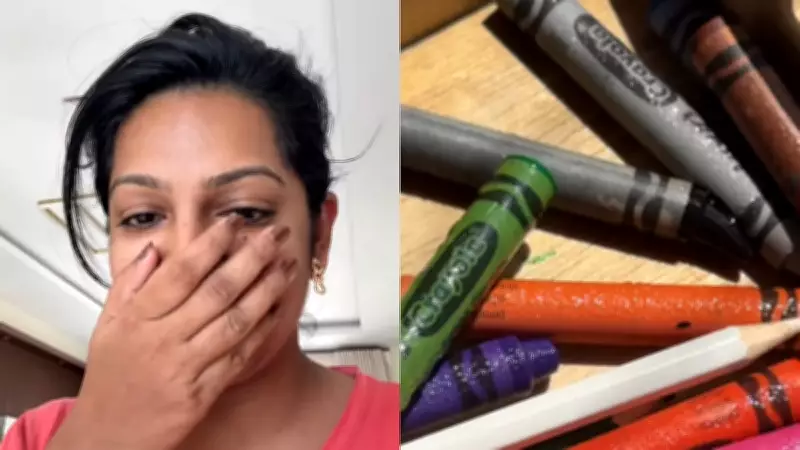
Bengaluru Heatwave Melts Crayons in Viral Video, Sparks Climate Change Concerns
A recent viral video shared by a Bengaluru resident has captured the extreme heat gripping the city, showing crayons melting under the sun and prompting widespread online discussions about climate change. The footage, posted by user geethashreenagaraaj on Instagram, quickly went viral as netizens resonated with the alarming depiction of rising temperatures.
Video Goes Viral Amidst Extreme Weather Conditions
The video, which features crayons visibly softening and losing their shape in the scorching heat, was shared on April 20, 2026, and has since garnered significant attention across social media platforms. Users from Bengaluru and beyond have expressed concern, with many commenting that the city's weather has undergone a noticeable transformation. The post highlights how everyday items are affected by the intense heat, serving as a stark visual reminder of the environmental challenges faced by urban areas.
Netizens React to Bengaluru's Changing Climate
Online reactions have been swift and varied, with numerous individuals sharing their own experiences of the heatwave. Comments on the post range from personal anecdotes about discomfort to broader discussions on global warming and its local impacts. This incident has fueled debates about whether Bengaluru, once known for its pleasant climate, is experiencing a permanent shift due to climate change. The viral nature of the video underscores a growing public awareness and anxiety regarding environmental issues.

Broader Implications for Urban Weather Patterns
Experts suggest that such extreme weather events could become more frequent in cities like Bengaluru, driven by factors such as urbanization, deforestation, and global climate trends. The melting crayons video serves as a microcosm of larger environmental concerns, prompting calls for increased sustainability measures and climate adaptation strategies. As temperatures continue to rise, residents are urged to take precautions and advocate for policies that address climate resilience.
This viral moment not only showcases the immediate effects of heatwaves but also acts as a catalyst for community engagement on climate action. With social media amplifying these discussions, there is hope for greater public involvement in environmental conservation efforts.