

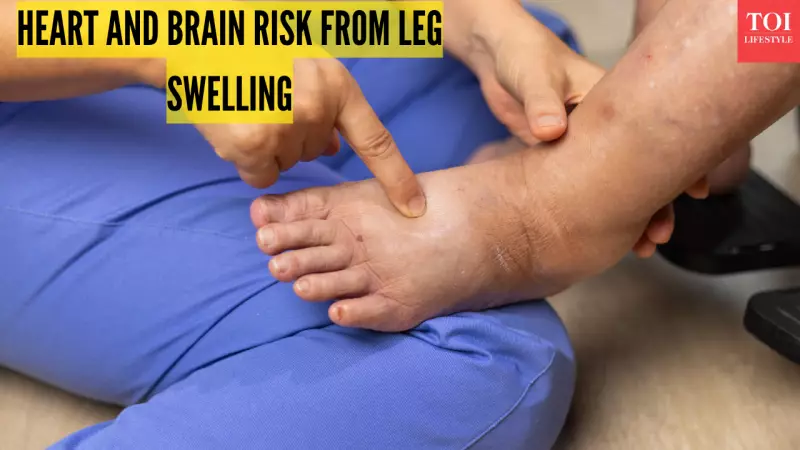
What appears as simple swelling in the feet or ankles is often far more than a minor inconvenience. This condition, medically known as edema, acts as a crucial message from your body about its overall circulatory health. It occurs when fluid leaks from blood vessels and accumulates in the tissues of the lower legs, indicating an underlying issue with pressure or the body's drainage system. While sometimes it's a result of a long day on your feet or a lengthy flight, it can also be the first subtle sign that your heart, veins, kidneys, or lymphatic system are under strain.
When Should You Not Worry About Swelling?
For many individuals, mild leg puffiness is a temporary and harmless occurrence. Common triggers include hot weather, a diet high in salty foods, prolonged periods of sitting, pregnancy, or side effects from certain medications. In these cases, the swelling typically subsides once the trigger is removed. You might experience tight-feeling skin or find your shoes fitting more snugly, but your breathing remains normal and your energy levels are unaffected. For such transient swelling, remedies like light walking, ankle exercises, and elevating your legs for a while are usually sufficient. While this type of swelling doesn't pose an immediate threat to your heart or brain, adopting a healthier lifestyle is always beneficial for long-term wellness.
When Swelling Points to Heart Trouble
Persistent or worsening swelling can be a red flag for cardiovascular issues. If the heart muscle weakens and fails to pump blood effectively, circulation slows down, causing pressure to build up in the veins. This pressure forces fluid to seep out into the surrounding tissues in the legs. This is a classic symptom of heart failure, where individuals may notice deep marks left by their socks or an unexplained increase in body weight due to fluid retention, not fat gain. This excess fluid forces the heart to work even harder, which can lead to increased blood pressure. Both a weakened heart pump and chronic high blood pressure significantly raise the long-term risk of serious brain events, including stroke, even if the only visible symptom is puffy ankles.

Other Circulatory Causes and Emergency Red Flags
The health of your veins and lymphatic system is also critical. Healthy veins are equipped with valves, and the calf muscles act as a pump, squeezing blood back towards the heart with every step. If these valves become weak, blood can pool in the lower legs, leading to a condition known as chronic venous insufficiency, characterized by heavy, achy, and discolored legs. Similarly, the lymphatic system, a secondary drainage network, can become blocked, causing a protein-rich fluid buildup called lymphedema. While these issues don't always directly cause heart or brain disease, long-term fluid stagnation slows overall circulation and places extra strain on the heart.
Certain swelling patterns demand immediate medical attention. Sudden swelling in one leg, especially if accompanied by pain, warmth, or redness, could indicate a deep vein thrombosis (DVT) or a blood clot. If a part of this clot breaks free and travels to the lungs, it can cause a pulmonary embolism, leading to chest pain, severe breathlessness, and even collapse. Similarly, swelling that appears or worsens rapidly, combined with symptoms like shortness of breath, chest discomfort, a rapid heartbeat, confusion, or a feeling of suffocation when lying down, may signal acute heart failure or a pulmonary embolism. These are medical emergencies that require immediate care.

Simple Steps to Support Your Heart and Brain
For non-emergency, chronic swelling, daily habits can make a significant difference. Regular walking and targeted calf exercises effectively turn your leg muscles into a powerful pump, aiding blood return to the heart. When resting, make a habit of elevating your legs above the level of your heart, allowing gravity to help drain excess fluid from the tissues. Compression stockings, when used under proper medical guidance, provide external support to veins and prevent fluid from accumulating. Furthermore, managing key health metrics like blood pressure and blood sugar, maintaining a healthy weight, and reducing salt intake all contribute to reducing strain on your circulatory system, which in turn offers robust protection for your brain.
In conclusion, while leg swelling is sometimes just a sign of a tired day, it should not be ignored when it is persistent, progressively worsening, or accompanied by other symptoms like breathlessness or chest pain. It can be the first visible clue that your heart and circulatory system need attention. One of the simplest and most proactive things you can do to safeguard your long-term heart and brain health is to listen to this early signal and seek a timely medical check-up.





