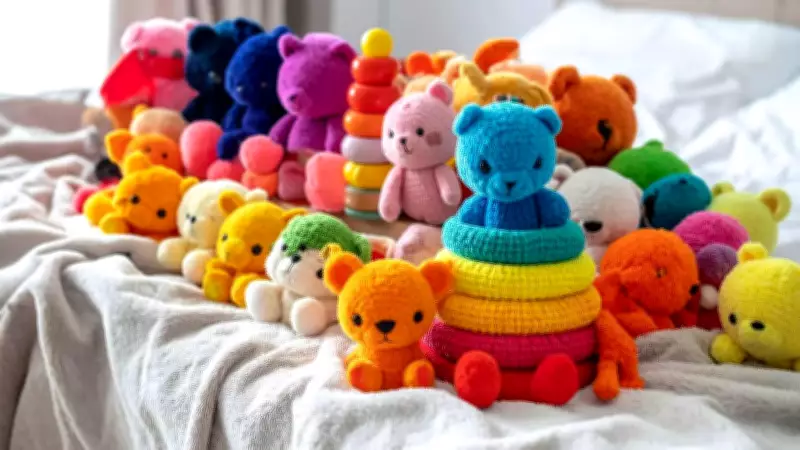
Essential Guide to Toy and Baby Product Safety for Parents
Parents universally acknowledge that toys and baby products are fundamental tools for learning and play, fostering cognitive development and physical growth in children. However, the critical aspect of selecting and utilizing these items safely is paramount to preventing avoidable injuries that frequently lead to emergency room visits. This comprehensive article empowers parents with essential knowledge on toy and baby product safety, offering practical strategies to create a secure environment for children's exploration and development.
The Dual Role of Toys: Learning and Risk
Children typically experience joy and happiness when engaging with toys, which are often age-appropriate and designed to enhance educational outcomes. These products play an indispensable role in a child's growth and development, assisting babies in milestones like sitting and crawling while simultaneously encouraging creativity and imagination as part of daily life. Despite these benefits, toy-related injuries remain a prevalent cause of emergency department admissions among young children. It is crucial to understand that many such incidents can be prevented through heightened awareness, meticulous product selection, and consistent supervision by caregivers.
Proactive Safety Checks and Product Vigilance
Parents must adopt a proactive approach by regularly consulting official recall lists and safety alerts to verify that toys, cribs, strollers, and other baby products meet current safety standards. Never use any product without confirming its safety for a child's specific age and developmental stage. Certain items demand special attention due to inherent risks. For instance, walkers are not recommended as they can cause serious injuries and do not accelerate walking development. Cribs should feature proper spacing between slats, a snug-fitting mattress, and be free from broken components. Highchairs and strollers require stability, must be used with safety straps, and should be positioned away from cords or other hazards.

Selecting Safe Materials and Avoiding Hazards
When choosing toys, prioritize those with lead-free paints and coatings made from child-safe, non-toxic materials. Avoid toys emitting strong chemical odors, which may indicate the presence of harmful substances. Additionally, steer clear of older toys, including hand-me-downs from friends and family. While these items might hold sentimental value and be cost-effective, they often fail to comply with updated safety regulations and may be excessively worn, increasing the risk of breakage and subsequent hazards.
Addressing Noise and Choking Risks
Parents should be aware that some rattles, squeak toys, and musical or electronic devices can produce noise levels as loud as a car horn, especially if held directly to a child's ears, potentially leading to hearing loss over time with repeated exposure. Furthermore, small objects like marbles, coins, small balls, magnets, and toys with detachable tiny parts pose significant choking or breathing risks and must never be accessible to young children.
Practical Supervision and Maintenance Tips
Always supervise children during playtime, adhere to age guidelines on toy packaging, and routinely inspect toys for broken or loose components. Exercise caution with toys featuring strings, small pieces, shooting mechanisms, or electrical plugs. For riding toys such as skateboards, scooters, and in-line skates, ensure children wear helmets and appropriate safety gear to mitigate the risk of deadly falls. Avoid allowing children to throw or jump on toys, as these actions can cause accidents and injuries.
If a toy operates on small batteries, verify that the battery compartment is securely sealed to prevent access, as these batteries present a choking hazard. Store toys intended for older children out of reach of younger siblings to prevent choking incidents or falls. Balloons are particularly dangerous and are a leading cause of toy-related choking fatalities, necessitating extra vigilance.

Hygiene and Long-Term Safety Practices
Children up to six years old remain at risk, making close supervision essential. Injuries often occur when children fall from riding toys or play near streets, swimming pools, ponds, or lakes. Toys with sharp edges or shooting parts can lead to cuts and other injuries, so always physically inspect products before purchase. Opt for washable toys whenever possible to reduce dust, germs, and allergens that may trigger asthma or allergies. Proper cleaning and storage of toys are vital for maintaining hygiene and ongoing safety.
Toy and baby product safety begins with awareness and is sustained through daily supervision. By avoiding unsafe used products and remaining alert to common hazards, parents can significantly reduce risks, enabling children to play, learn, and grow in a secure environment.
Dr Prashant Laxmanrao Ramtekkar, Consultant – Paediatrician & Neonatologist, Motherhood Hospitals, Lullanagar, Pune