Space Reproduction: Can Humans Have Babies Beyond Earth?
Humanity's quest to explore the cosmos has spanned decades, marked by monumental achievements like moon landings, Mars rover missions, and extended stays on the International Space Station (ISS). Yet, a fundamental question lingers: can humans successfully reproduce in the harsh environment of space? While it might sound straightforward, the reality is fraught with complexities that scientists are only beginning to unravel.
The Biological Hurdles of Space Reproduction
Space is far from an empty void; it presents a combination of radiation, microgravity, and psychological stress that collectively pose significant risks to human biology. A recent study published in Reproductive BioMedicine Online delves into these unknowns, but findings remain ambiguous. Short-duration spaceflights, such as those to the ISS, appear relatively safe, but experts warn that longer missions amplify dangers exponentially.
Fertility, embryo development, and overall reproductive health could all be adversely affected in space. In microgravity, hormonal fluctuations occur, potentially reducing the quality of sperm and eggs. Embryos might develop abnormally, with studies on lab animals yielding mixed results—some show normal growth, while others indicate developmental issues, making outcomes unpredictable.

Radiation: A Major Concern for Future Generations
Radiation from cosmic rays is another critical worry, as it can damage cellular structures and DNA. This is particularly hazardous for developing fetuses, increasing cancer risks and other health complications. Experts emphasize that these effects accumulate over time, meaning prolonged exposure during extended space missions could have severe consequences for both male and female astronauts.
Beyond physical factors, the space environment disrupts sleep cycles, induces high psychological stress, and alters gravity, all of which interact in ways not fully understood regarding human reproduction. Scientists stress the urgent need for more research, including protective measures like enhanced radiation shielding and the establishment of ethical guidelines.
Ethical and Practical Implications
Reproduction in space is not merely a medical issue; it encompasses moral, social, and practical dimensions. Dr. Fatahi Karouia from NASA highlights that reproductive health "can no longer remain a policy blind spot," urging a proactive approach as space travel advances faster than our comprehension of human biology.
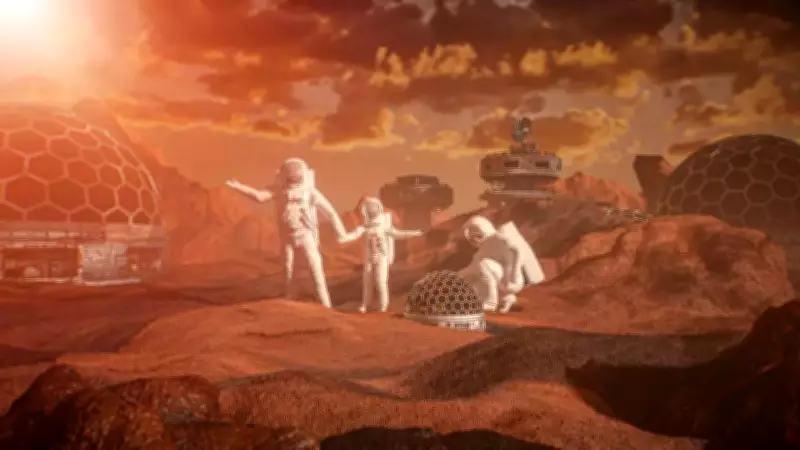
As humanity moves toward establishing sustained off-world habitats, questions about fertility, conception, and pregnancy become pressing rather than abstract. Without careful study, these unknowns could evolve into serious problems, jeopardizing the health of future space colonists.
While space exploration continues to progress, the possibility of humans reproducing safely beyond Earth remains a distant goal. For now, caution and rigorous scientific inquiry are paramount to navigating this uncharted territory.