Building Childhood Resilience Through Proactive Hygiene Practices
Childhood represents a crucial period of exploration and growth, characterized by boundless curiosity, energetic play, and developmental milestones. As parents, our fundamental responsibility lies in protecting this vital journey from environmental challenges and health disruptions. In today's world of shifting weather patterns and unpredictable seasonal changes, our protective strategies must evolve accordingly. Rather than approaching these changes with apprehension, we can transform them into opportunities to equip our children with modern, effective health habits that form the foundation of lifelong physical resilience.
The Doc's Pod: A Vision for Empowered Parenting
This forward-thinking approach to child wellness forms the core of The Doc's Pod, an initiative under the Savlon Swasth India Mission (SSIM). Hosted by prominent journalist Faye D'Souza, the Savlon Swasth India Mission Podcast brings together medical experts and thought leaders to guide families through the complex intersection of environmental factors and childhood wellness. In a recent episode, Dr. Bhaskar Shenoy, HOD and Consultant in Pediatrics at Manipal Hospital, Bengaluru, presents a compelling perspective: hygiene should be viewed not as a temporary seasonal measure but as a lifelong investment in a child's health.
Dr. Shenoy explains that establishing strong hygiene habits early in life does more than provide immediate protection; it enables a child's developing immune system to allocate its resources toward reaching full potential. By prioritizing preventive measures, we grant children the freedom to engage actively with their environment without frequent interruptions from avoidable illnesses.

The Hygiene Bubble: Supporting Natural Immunity
One of the most insightful concepts discussed in the Savlon Swasth India Mission Podcast is the idea of hygiene functioning as a supportive framework for a child's natural immune development. Dr. Shenoy notes that a child's immune system represents sophisticated biological architecture that typically matures completely only around ages seven or eight. By maintaining clean environments through regular use of handwash, surface disinfectants, and antiseptic liquids, we reduce the constant microbial stressors that the young body must manage.
This strategic reduction allows children's internal resources to focus on achieving cognitive and physical developmental milestones rather than being depleted by continuous recovery efforts. Scientific research supports this proactive approach, demonstrating that simple, consistent actions like thorough 20-second hand washing can reduce respiratory illness incidence by approximately 21 percent. Faye D'Souza emphasizes in the podcast how such minor adjustments to daily routines can create substantial improvements in children's overall quality of life.
The goal is to establish a protective hygiene bubble that enables children to experience childhood fully: playing in the rain, participating in sports, and exploring their surroundings with confidence. When children maintain good health, they engage more effectively in educational settings and social interactions, creating positive ripple effects throughout their developmental journey.
Transforming Science into Sustainable Habits
The Savlon Swasth India Mission focuses on converting scientific insights into lasting behavioral patterns. Dr. Shenoy stresses that when children learn to associate hygiene practices with strength and freedom, these habits become ingrained as second nature. The podcast introduces comprehensive approaches to daily wellness that address every aspect of a child's environment, shifting from viewing hygiene as mere chores to recognizing them as essential life skills that build lasting resilience.
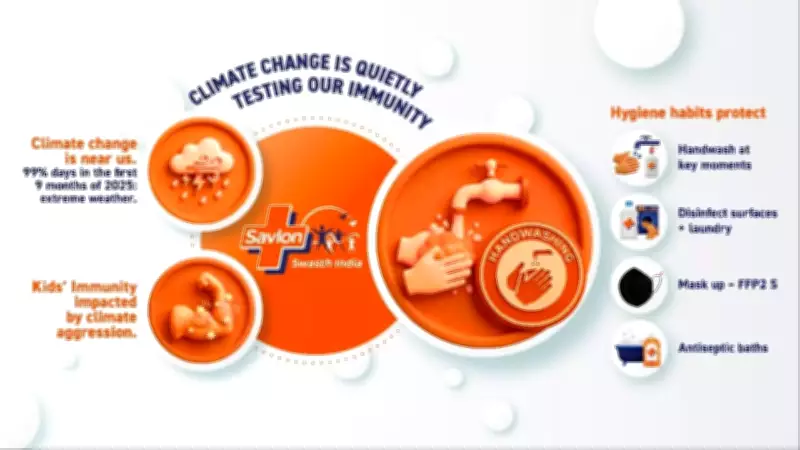
Strategic surface care involves identifying high-traffic zones in children's lives—such as study desks, remote controls, and shared toys—and regularly disinfecting these surfaces to create safe spaces for exploration.
Skin and laundry wellness recommendations include adding laundry disinfectants to wash cycles for active children's clothing and using antiseptic liquids during bathing or for treating minor scrapes, particularly during humid monsoon seasons.

Smart respiratory habits involve teaching children to use FFP2 masks in areas with fluctuating air quality, empowering them with agency over their own wellbeing in modern urban environments.
The SHAKE Framework for Family Wellness
To help families implement these expert recommendations practically, the Savlon Swasth India Mission Podcast presents the SHAKE formula—a positive, memorable guide designed to move parents from reactive, fear-based approaches toward structured, confident family wellness strategies.
- S - Sanitise surfaces often: Regular use of surface disinfectants on high-touch areas significantly reduces household germ loads.
- H - Hand wash regularly: Establishing consistent handwashing rituals before and after meals and after coughing or sneezing creates lifelong habits.
- A - Avoid self-medication: Partnering with pediatricians for professional health guidance forms the foundation of effective prevention.
- K - Keep wounds clean: Using antiseptic liquids supports skin's natural healing processes, especially during humid seasons.
- E - Eat fresh and healthy food: Providing nutritious, properly stored meals fuels internal strength that complements clean environments.
Commitment to Behavioral Change and Lasting Impact
The podcast episode concludes with an optimistic message about parental agency in a changing world. By establishing science-backed hygiene habits from early childhood, we provide children with strong foundations for healthy development. These practices teach that resilience emerges through consistency and that healthy lifestyles enable adventurous, uninterrupted childhood experiences.
Investing in preventive habits does more than avoid illness—it actively supports childhood joy and potential. The Savlon Swasth India Mission remains dedicated to this journey of behavioral transformation, demonstrating that with proper habits, children can develop into strong, confident individuals prepared for future challenges. Prevention represents not a seasonal concern but an essential component of childhood development.
About ITC's Savlon Swasth India Mission
Since its inception in 2016, ITC's Savlon Swasth India Mission has reached over 14 million children through innovative outreach programs, establishing itself as one of the world's largest hand hygiene education initiatives. This ongoing program has successfully instilled hand hygiene practices among primary school students, generating measurable behavioral changes.
A Kantar impact report from March 2024, commissioned to assess the mission's effectiveness in selected centers, documented increased handwashing frequency among participating children. Mothers reported perceiving improvements in their children's health following the campaign, indicating heightened awareness about hand hygiene importance. The study also noted higher compliance with handwashing protocols among program participants.
School initiatives have sparked conversations where children discuss the program and mothers observe improvements in handwashing habits. Through innovative design and communication strategies, the mission has introduced various tools including Savlon Healthy Hands Chalk Sticks, Savlon ID Guard, and recent Hand Ambassador and Handwashing Legend campaigns—all aimed at promoting education and sustainable hygiene habits.