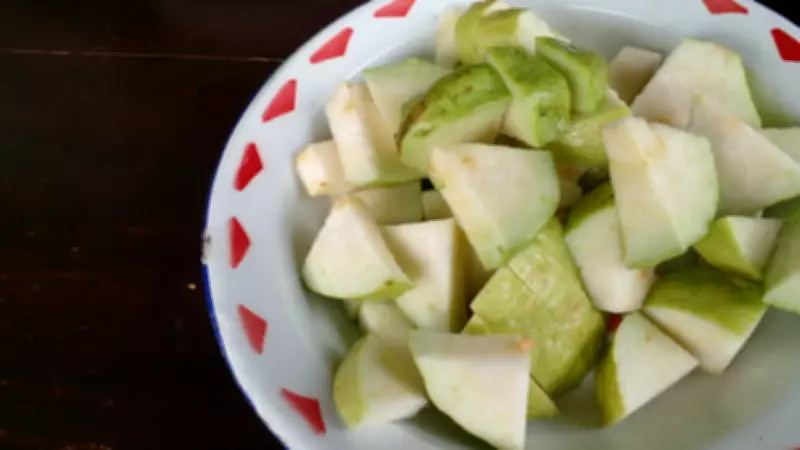
Guava often sits quietly in fruit baskets across India, affordable and easy to find, yet frequently overlooked next to flashier fruits. But cut one open, and the story changes. Some are pale and creamy inside, while others glow pink. That small difference has sparked a bigger question: which one actually does more for the body?
The debate between pink and white guava is not about taste alone. It touches on nutrition, disease prevention, and even how modern diets are shifting. A closer look reveals that both varieties carry strengths, but they do not play the same role in daily health.
What Really Separates Pink and White Guava
At first glance, the only difference seems to be colour. Pink guava has a rosy flesh, while white guava looks pale or cream. But colour often signals deeper nutritional traits.

Pink guava gets its hue from carotenoids, especially lycopene, the same compound that gives tomatoes their red colour. White guava, on the other hand, leans more towards a subtle, crisp texture and slightly higher vitamin C levels in some cases.
Taste also shifts. Pink guava tends to be softer and sweeter, while white guava feels firmer, sometimes mildly tangy. That difference matters for digestion and how often people choose to eat it.
Nutrition: Where the Real Difference Shows
Both types of guava are nutrient-dense. They are rich in fibre, vitamin C, potassium, and antioxidants. But their profiles are not identical.
Pink guava stands out for lycopene. Research from the National Institutes of Health highlights lycopene's role in reducing oxidative stress and supporting heart health. It is also linked to a lower risk of certain cancers when consumed regularly.
White guava often edges ahead in vitamin C content. Data from NIH nutritional tables shows guava as one of the richest natural sources of vitamin C, sometimes surpassing oranges by two to three times. This makes it valuable for immunity and skin repair.
In simple terms:
- Pink guava leans toward long-term disease protection.
- White guava supports daily immunity and gut health.
Which One Is Better for Health Goals?
The answer depends on what the body needs more at a given time.
For heart health and inflammation, pink guava has an edge. Lycopene works quietly but steadily in the background, helping reduce damage caused by free radicals.
For digestion and immunity, white guava holds strong ground. Its slightly higher fibre and vitamin C combination supports gut movement and strengthens immune response.
This balanced view reflects what nutrition science often suggests: variety matters more than picking a single best option.
What Modern Eating Habits Are Missing
There was a time when guava was eaten fresh, with a pinch of salt or chilli. Now, fruit choices are shifting toward packaged juices and imported varieties.
That shift comes at a cost. Whole guava provides fibre that slows sugar absorption. It keeps blood sugar stable and supports gut bacteria. Processed versions lose much of this benefit.
Studies published through the National Institute of Nutrition stress the importance of whole fruits over juices, especially for metabolic health.
So the real question is not just pink versus white. It is whether guava, in any form, is still part of the daily plate.
So, Which One Should You Pick?
If forced to choose, the answer is not fixed. Pink guava works well for long-term protection and antioxidant intake. White guava fits better for daily immunity and digestion.
But the smarter choice is rotation. Eating both across the week offers a broader nutrient range without overthinking it.
In the end, guava's strength lies in its simplicity. It does not need exotic labels or superfood tags. It just needs to be eaten regularly.
Disclaimer: This article is for informational purposes only and does not replace professional medical advice. Dietary choices should be based on individual health conditions and discussed with a qualified healthcare provider.