Redefining Childhood Wellness Through Strategic Hygiene Practices
The fundamental nature of childhood revolves around uninhibited exploration of the world. Whether experiencing a first football match during rainfall or constructing an afternoon fort in the garden, these formative moments serve as critical building blocks for both physical and emotional maturation. As society progresses through increasingly modern and dynamic eras, parental roles have transformed significantly from basic caregivers to strategic enablers of childhood discovery.
From Apprehension to Empowerment: A New Wellness Paradigm
By examining wellness through the empowering lens rather than through apprehension, parents can establish robust foundations of strength for their children. This crucial transition extends far beyond maintaining clean household environments; it involves cultivating cultures of resilience that enable every child to pursue vibrant, active lifestyles. This forward-thinking vision of proactive health represents the core motivation behind The Doc's Pod, an initiative launched under the Savlon Swasth India Mission.
Hosted by distinguished journalist Faye D'Souza, the Savlon Swasth India Mission Podcast functions as an essential resource for families seeking contemporary approaches to hygiene. During a recent insightful dialogue, Dr. Bhaskar Shenoy, Head of Department and Consultant in Pediatrics at Manipal Hospital in Bengaluru, presented a revolutionary perspective that completely reframes the conversation: hygiene constitutes a high-value investment in a child's future trajectory.

The Developmental Advantage of a Comprehensive Hygiene Shield
A particularly compelling revelation from the Savlon Swasth India Mission Podcast establishes the direct connection between clean environments and children's developmental energy reserves. Dr. Shenoy elaborates that children's internal biological systems represent intricate architectures that typically achieve peak maturity only around ages seven or eight. When households utilize tools including handwash solutions, surface disinfectants, and antiseptic liquids to reduce microbial loads within living spaces, they essentially grant children's bodies crucial breathing room.
Instead of perpetually diverting physiological resources toward recovery from surface-level germs, young bodies can channel energy toward achieving cognitive milestones and enhancing physical vitality. The scientific foundation supporting this methodology remains unequivocally clear. Consistent hygiene rituals, such as regular handwashing practices, can diminish respiratory illness risks among children by substantial margins reaching up to twenty-one percent.
Within the Savlon Swasth India Mission Podcast, Faye D'Souza underscores how these manageable daily adjustments create powerful wellness ripple effects. This approach focuses on establishing protective "hygiene bubbles" that grant children confidence to engage more vigorously in play and accelerate learning processes:
- Internal Energy Conservation: By minimizing bacterial burdens on developing bodies, children can direct metabolic energy toward growth rather than constant immune system repairs.
- Confidence in Exploration: Healthy foundations enable children to participate more actively in educational settings and social circles, generating positive developmental ripple effects.
- Sustained Participation: Proper hygiene ensures that playful spirits remain uninterrupted by preventable seasonal health concerns.
Modernizing Rituals for Enhanced Childhood Resilience
The Savlon Swasth India Mission strives to bridge critical gaps between scientific expertise and daily habit formation. Dr. Shenoy observes that for hygiene to achieve genuine effectiveness, children must perceive these practices as tools of liberation rather than obligatory chores. By transitioning from reactive mindsets, families can integrate category-specific solutions into household rhythms to build lasting resilience:

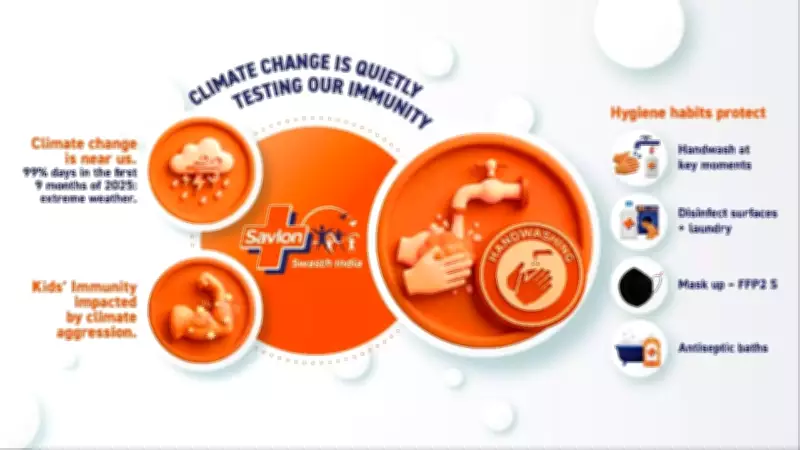
- Surface Care as Foundational Practice: Given children's naturally tactile interactions with environments, applying surface disinfectants to shared touchpoints like study desks and electronic devices ensures learning spaces remain secure discovery zones.
- Clothing and Skin Wellness Integration: Since active play frequently involves sweat and outdoor elements, the podcast advocates using laundry disinfectants to sterilize fabrics alongside antiseptic liquids in bathing water to maintain skin resilience during humid seasons.
- Proactive Respiratory Habit Development: In urban environments with fluctuating air quality, the Savlon Swasth India Mission Podcast recommends FFP2 mask usage. Teaching children effective mask utilization grants them agency to navigate surroundings with self-reliance.
Cultivating Proactive Health as Cultural Norm
The movement toward more resilient childhoods ultimately depends on daily ritual consistency. The Savlon Swasth India Mission Podcast stresses that when habits like handwashing before meals or after playtime become established early, they transcend mere "rules" to become natural components of children's identities. This internalized wellness sense receives additional reinforcement through pediatrician consultations rather than self-medication reliance, ensuring health journeys follow professional guidance.
By combining external hygiene with internal nutrition, parents can simultaneously fuel children's growth and energy reserves. These integrated rituals, when woven into daily life fabrics, guarantee that minor injuries or seasonal variations never interrupt playful spirits:
- Holistic Skin Care Implementation: Utilizing antiseptic liquids for skin care supports natural healing processes through straightforward methodologies.
- Nutritional Support Alignment: Pairing cleanliness practices with nutritious fresh foods ensures bodies possess internal fuels matching external protections.
- Expert Partnership Prioritization: Transitioning from home remedies toward evidence-based pediatric advice guarantees health decisions follow scientific foundations.
Insights disseminated through the Savlon Swasth India Mission Podcast remind audiences that while external worlds may prove unpredictable, environments cultivated within homes can remain constant support pillars. By conceptualizing hygiene as foundational life skills rather than temporary fixes, families empower children to embrace existence with security and unlimited potential. This behavioral change commitment transforms simple routines into health legacies.
As societies continue prioritizing these science-supported habits, every child gains physical strength for growth, freedom for exploration, and resilience for flourishing within dynamic worlds. Ultimately, prevention represents not seasonal consideration but essential practice.
About ITC's Savlon Swasth India Mission
Since its 2016 inception, ITC's Savlon Swasth India Mission has positively impacted over fourteen million children through innovative outreach programs, establishing itself among the largest global hand hygiene education initiatives. This ongoing endeavor has effectively instilled hand hygiene practices among primary school students, demonstrating measurable results leading to sustainable habit transformation.
According to Kantar impact reports from March 2024 assessing mission effectiveness in selected centers, researchers observed increased overall handwashing occasions among program-participating children. Mothers additionally perceived their children's health improvements following campaign exposures, indicating initiative roles in handwashing awareness enhancement. Studies further report higher handwashing compliance rates among children engaged with programming. School initiatives have generated conversations where children discuss program elements while mothers note improvements in children's handwashing habits and program benefits.
With concentrated focus on design and communication innovation, the mission has introduced multiple initiatives including Savlon Healthy Hands Chalk Sticks, Savlon ID Guard, and recent Hand Ambassador and Handwashing Legend campaigns, all targeting hygiene education advancement and good habit promotion.