

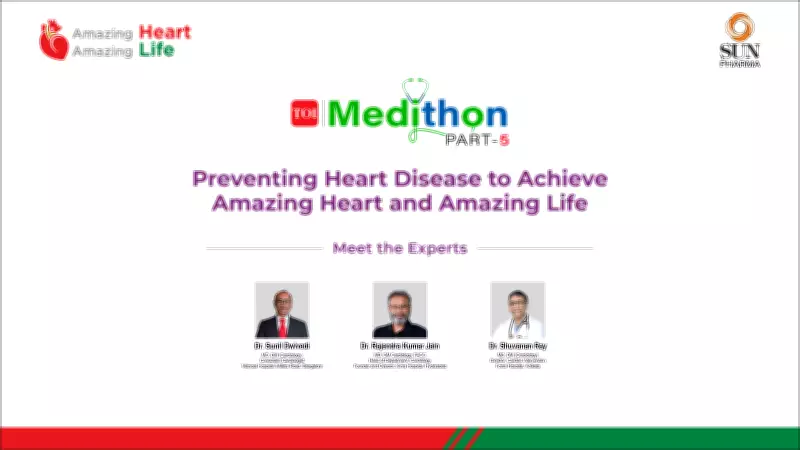
Preventing Heart Disease for a Healthier, Longer Life
Heart disease continues to hold the grim distinction of being the world's leading cause of death, claiming millions of lives annually across the globe. Despite this sobering reality, medical experts emphasize a crucial truth: the majority of cardiovascular conditions are largely preventable through proactive measures and lifestyle modifications. Top cardiologists are now breaking down the essential strategies that can significantly reduce your risk and potentially add years to your life.
Understanding the Key Risk Factors
Cardiologists identify several primary risk factors that contribute to the development of heart disease. Hypertension, commonly known as high blood pressure, places excessive strain on the heart and blood vessels over time. Diabetes significantly increases cardiovascular risk by damaging blood vessels and nerves that control the heart. Beyond these medical conditions, lifestyle factors play an equally critical role. Chronic stress triggers hormonal responses that can elevate blood pressure and inflammation, while a poor diet high in saturated fats, sodium, and processed foods contributes to plaque buildup in arteries.
Additional risk factors include smoking, physical inactivity, obesity, and high cholesterol levels. Many of these elements interact synergistically, meaning that addressing multiple factors simultaneously can yield exponential benefits for heart health.

Evidence-Based Prevention Strategies
Cardiologists recommend implementing practical, evidence-based steps today to protect your cardiovascular system before symptoms ever manifest. These strategies are grounded in extensive clinical research and have demonstrated significant effectiveness in reducing heart disease risk.
- Adopt a Heart-Healthy Diet: Focus on consuming plenty of fruits, vegetables, whole grains, lean proteins, and healthy fats. Limit intake of processed foods, red meat, and foods high in sodium and added sugars. The Mediterranean diet, in particular, has shown remarkable benefits for heart health.
- Engage in Regular Physical Activity: Aim for at least 150 minutes of moderate-intensity aerobic exercise per week, such as brisk walking, cycling, or swimming. Incorporate strength training exercises at least twice weekly to improve overall cardiovascular fitness.
- Manage Stress Effectively: Practice stress-reduction techniques like meditation, deep breathing exercises, yoga, or mindfulness. Chronic stress management is crucial for maintaining healthy blood pressure and reducing inflammation.
- Maintain a Healthy Weight: Achieve and maintain a body mass index within the recommended range. Even modest weight loss of 5-10% can significantly improve cardiovascular risk factors like blood pressure and cholesterol levels.
- Get Regular Health Screenings: Schedule annual check-ups to monitor blood pressure, cholesterol levels, blood sugar, and other key indicators. Early detection of risk factors allows for timely intervention before they develop into serious conditions.
- Avoid Tobacco Products: Smoking and tobacco use are among the most significant preventable risk factors for heart disease. Quitting smoking provides immediate and long-term cardiovascular benefits.
- Limit Alcohol Consumption: Excessive alcohol intake can raise blood pressure and contribute to weight gain. Follow recommended guidelines of no more than one drink per day for women and two for men.
The Importance of Early Intervention
Cardiologists stress that prevention should begin long before symptoms appear. The most effective approach to heart disease is preventing it from developing in the first place, rather than treating it after diagnosis. Many risk factors develop silently over years, making regular monitoring and proactive lifestyle changes essential.
Research consistently shows that individuals who adopt heart-healthy habits in their 30s, 40s, and 50s experience significantly lower rates of cardiovascular events in later decades. Even those with genetic predispositions to heart disease can substantially reduce their risk through diligent lifestyle management.

By understanding your personal risk factors and implementing these evidence-based strategies, you can take meaningful control of your cardiovascular health. The path to a healthier, longer life begins with the decisions you make today to protect your heart for tomorrow.





