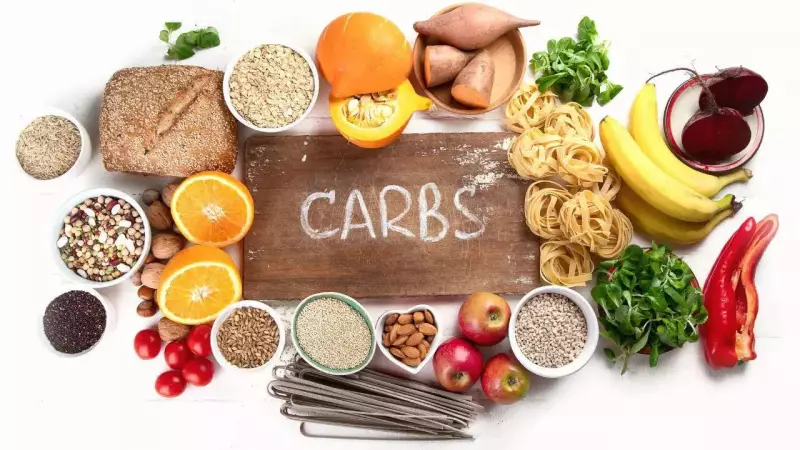
Many of us instinctively reach for comforting snacks and quick-energy foods without considering their immediate impact on our blood sugar levels. While high glycemic index foods are commonly discussed in relation to weight management and diabetes, emerging research is uncovering their potential connection to health conditions that previously seemed unrelated to diet—including lung cancer.
The Surprising Link Between Diet and Lung Health
Although smoking and air pollution remain the primary risk factors for lung cancer, scientists have begun investigating how repeated glucose spikes might affect lung tissue over time. As processed carbohydrates become increasingly prevalent in modern diets, understanding the relationship between GI levels and lung cancer risk is becoming crucial for everyday food choices.
A groundbreaking population-based cohort study published in Annals of Family Medicine analyzed the dietary patterns of more than 100,000 adults over many years and compared these with lung cancer incidence rates. This represented one of the first large-scale attempts to evaluate how carbohydrate quality might influence lung cancer development, independent of smoking and other lifestyle factors.

Key Findings From the Extensive Research
The comprehensive study revealed several significant patterns that deserve attention. Individuals consuming the highest glycemic index diets demonstrated a noticeably elevated risk of developing lung cancer compared to those in the lowest GI category. This increased risk remained statistically significant even after researchers adjusted for age, sex, smoking history, and total caloric intake.
Notably, the association persisted across different subtypes of lung cancer, including non-small cell lung cancer. The research also uncovered an interesting distinction: while high GI diets correlated with increased cancer risk, glycemic load—which measures total carbohydrate intake—sometimes appeared linked to lower cancer risk. This suggests that the speed of glucose release may be more critical than the total quantity of carbohydrates consumed.
These findings build upon earlier observational evidence indicating that rapidly digestible carbohydrates may influence long-term cancer risk through biological mechanisms worth exploring.
Understanding the Biological Mechanisms at Play
High GI foods trigger physiological responses that extend far beyond providing quick energy. Scientists believe several overlapping mechanisms may explain their potential connection to cancer formation.
When you consume high GI foods, they cause rapid spikes in blood glucose that require sharp increases in insulin to stabilize levels. Chronic exposure to elevated insulin may alter signaling pathways that regulate normal cell growth. In high insulin environments, insulin-like growth factors become more active and may encourage faster cell division, potentially increasing the likelihood of genetic errors during replication.
Frequent glucose spikes can also generate oxidative stress throughout the body, including delicate lung tissue, by increasing production of reactive oxygen species. This oxidative stress often leads to chronic inflammation, which has long been recognized as contributing to tumor growth by creating environments that encourage abnormal cellular activity.
When combined with existing risk factors such as air pollution or passive smoke, metabolic stress from high GI diets may amplify overall vulnerability. Researchers suspect these mechanisms work together over many years, quietly influencing cancer risk even in people with no direct exposure to cigarette smoke.
Practical Dietary Adjustments for Better Health
Transitioning toward lower GI eating doesn't require drastic changes or restrictive diets. Small, consistent food choices can create more stable metabolic environments less prone to significant blood sugar fluctuations.
Foods to include in your low GI diet:

- Whole grains such as barley, oats, quinoa and brown rice
- Beans, chickpeas, lentils and other legumes
- Nuts and seeds providing healthy fats and slower digestion
- Non-starchy vegetables like leafy greens, broccoli, carrots and peppers
- Fruits with lower GI values, including apples, pears, berries, peaches and oranges
- Dairy or fortified alternatives with minimal added sugars
- Meals that combine carbohydrates with protein or healthy fats to slow digestion
These foods help maintain steadier blood glucose levels and may reduce the repeated insulin surges linked to cellular stress. Over time, they contribute to an internal environment less conducive to the metabolic patterns associated with increased cancer risk.
Foods to limit or avoid:
- White bread, white rice and refined flour products
- Sugary breakfast cereals and instant porridge mixes
- Processed snack foods such as crackers, biscuits and crisps
- Cakes, pastries and sweetened baked goods
- Soft drinks, energy drinks and other sweetened beverages
- Instant noodles and ready-to-eat packaged meals high in starch
- Potatoes prepared as fries or crisps
- Confectionery high in refined sugar
Completely eliminating these foods isn't necessary, but reducing their frequency and portion sizes may help minimize the metabolic patterns linked to lung cancer risk identified in emerging research.
Disclaimer: This article provides general informational purposes only and does not substitute for professional medical advice, diagnosis, or treatment. Always consult qualified healthcare providers regarding any medical condition or significant lifestyle changes.