
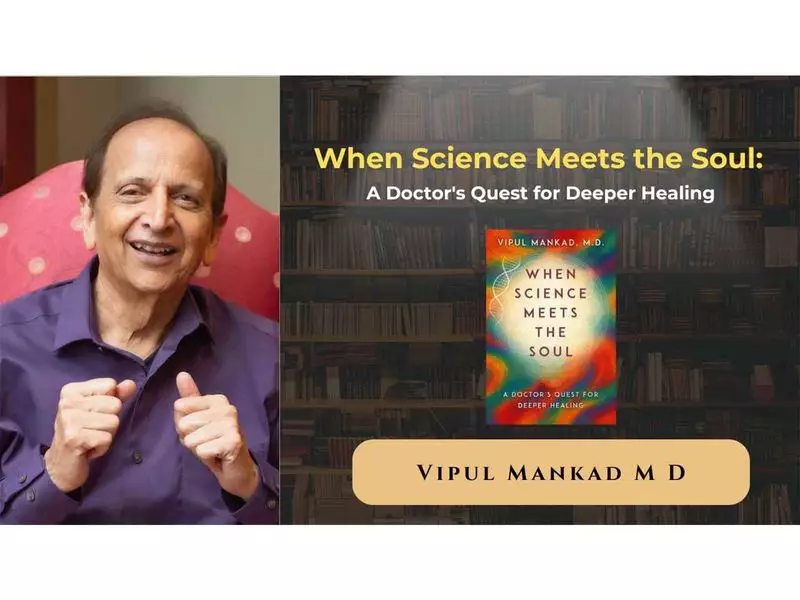
In the high-stakes world of modern medicine, where technology and protocols often dominate, a senior consultant is charting a profoundly different course. Dr. Anirban Ganguly's professional journey is a compelling narrative of a quest to bridge the often-separate realms of medical science and the human soul, aiming for a deeper, more complete form of healing.
From Clinical Practice to a Spiritual Awakening
Dr. Anirban Ganguly, a senior consultant based in India, embarked on his medical career with the rigorous training and scientific mindset characteristic of the profession. For years, he practiced conventional medicine, addressing the physical symptoms and diseases presented by his patients. However, a persistent feeling of incompletion lingered. He observed that while he could treat the body, the essential spark of the person—their emotional and spiritual well-being—often remained unaddressed.
This realization sparked a personal and professional transformation. Dr. Ganguly began to explore the vast landscape of spiritual wisdom, delving into ancient Indian philosophies and global contemplative traditions. He didn't abandon science; instead, he sought to expand its framework. His quest was to find a synthesis, a way where evidence-based medicine could work in harmony with practices that nurture the soul, creating a truly holistic healing model.
The Pillars of Deeper Healing: Integrating Two Worlds
Dr. Ganguly's approach is not about replacing one system with another. It is a thoughtful integration. He identifies several key areas where this fusion creates powerful outcomes for patient care.
First is the power of compassionate presence. Beyond diagnosis and prescription, he emphasizes the therapeutic effect of a doctor truly listening and being present with a patient. This human connection can alleviate fear and anxiety, which are known to impede physical recovery.
Second is the incorporation of mindfulness and awareness techniques. He advocates for practices that help patients manage stress, which is a root cause or aggravating factor for numerous chronic conditions like hypertension, diabetes, and heart disease. By addressing the mind's turmoil, the body's healing processes are supported.
Third, and perhaps most significantly, is addressing existential suffering. Illness often brings questions of meaning, purpose, and mortality. Dr. Ganguly believes that spirituality in medicine provides a framework to explore these questions, offering patients solace and a sense of peace that pure biochemistry cannot provide. This aspect of care treats the person, not just the pathology.
The Impact and the Road Ahead
The impact of this integrative model is profound, though sometimes subtle. Patients report feeling seen and heard as whole beings, not just collections of symptoms. This can lead to better adherence to treatment plans, improved coping mechanisms, and an overall enhanced quality of life, even in the face of serious illness. For Dr. Ganguly, this is the essence of integrative medicine—achieving outcomes that are greater than the sum of their parts.
Dr. Ganguly's work highlights a growing movement within healthcare. He points to increasing scientific research validating the mind-body connection and the health benefits of practices like meditation. His own journey, from a purely clinical doctor to a healer of body and spirit, serves as an inspiring case study. He actively shares his insights through talks and writings, hoping to inspire other medical professionals to consider this broader perspective.
Dr. Anirban Ganguly's story is a testament to the evolution of medical practice. It challenges the traditional dichotomy between science and spirituality, proposing instead a collaborative model. In a world where burnout affects both patients and doctors, his quest for deeper healing offers a hopeful path forward—one where curing disease and nurturing the human spirit are seen as inseparable goals of true medicine.