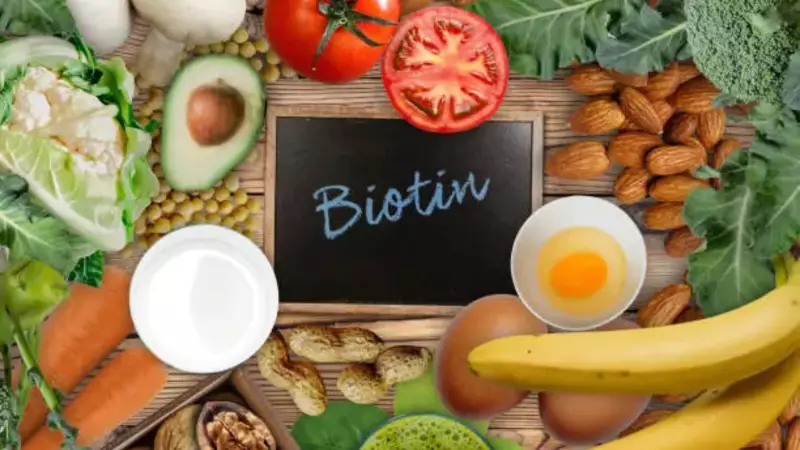
Hair loss is a common concern affecting millions globally, leading to a constant search for effective solutions. Recent discussions in the wellness and dermatology circles have brought renewed attention to a specific, widely available dietary supplement backed by scientific evidence for its potential to combat thinning hair and promote healthier growth.
The Science Behind Biotin and Hair Health
Extensive research points to Biotin, also known as Vitamin B7 or Vitamin H, as a crucial nutrient for maintaining strong hair, skin, and nails. This water-soluble vitamin plays a fundamental role in the body's keratin infrastructure. Keratin is the primary protein that makes up hair strands, and a deficiency in biotin can directly lead to weaker hair structure, increased brittleness, and excessive shedding.
While biotin deficiency is relatively rare, marginal insufficiency can manifest through hair-related issues. Supplementing with biotin helps ensure that the body has an adequate supply to support the rapid cell growth required for hair follicle function. Studies have shown that individuals with thinning hair or hair loss conditions often experience improvement in hair growth, thickness, and shine after consistent biotin supplementation.
How to Use Biotin for Optimal Results
For those considering biotin to address hair loss, understanding the correct usage is key. The typical recommended dosage for supporting hair health ranges from 2,000 to 5,000 micrograms (mcg) daily. It is widely available in various forms, including standalone tablets, capsules, and as a component of multivitamins or specialized hair growth formulas.
Consistency is paramount. Since hair growth is a slow process, results from biotin supplementation are not instantaneous. Experts advise that it may take several months of regular intake to notice visible changes, such as reduced hair fall and the emergence of new, stronger strands. It is always recommended to consult with a healthcare professional before starting any new supplement regimen, especially for individuals with underlying health conditions or those taking other medications.
Integrating Supplements into a Holistic Hair Care Routine
While biotin supplementation can be highly effective, it is most powerful when combined with a holistic approach to hair health. Relying solely on a pill is not a magic bullet. A comprehensive strategy should include:
- A Balanced Diet: Ensure your diet is rich in other hair-friendly nutrients like iron, zinc, vitamins C, D, and E, and omega-3 fatty acids.
- Scalp Care: Maintaining a clean, healthy scalp environment is essential for follicle health.
- Stress Management: High stress levels are a known contributor to hair loss, so practices like meditation and adequate sleep are beneficial.
- Gentle Hair Handling: Avoid excessive heat styling, tight hairstyles, and harsh chemical treatments that can damage hair.
Biotin supplements are generally considered safe with a low risk of side effects when taken at appropriate doses. However, it's important to source high-quality products from reputable brands. This emerging evidence positions biotin not as a mere trend, but as a scientifically-grounded component in the fight against hair loss, offering a beacon of hope for those seeking to restore their hair's vitality and volume.