The Hidden Dangers of Dietary Supplements: Health Risks You Need to Know
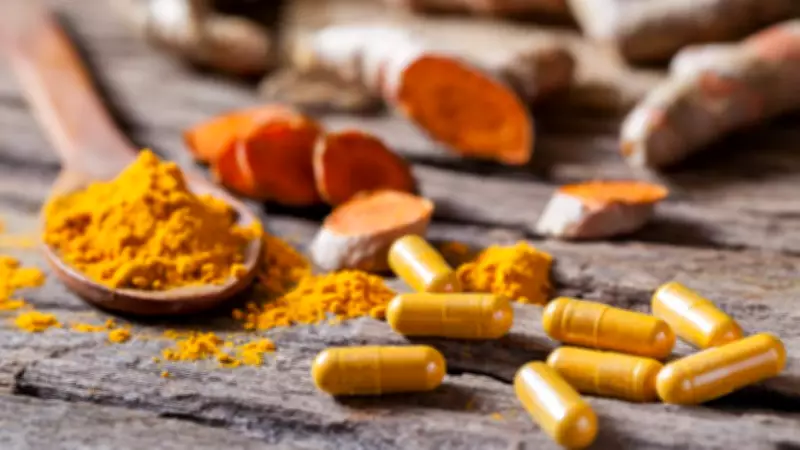
Dietary supplements are frequently promoted as convenient solutions for enhanced health, increased energy, stronger immunity, and radiant skin. They occupy prominent positions on pharmacy shelves, feature attractive packaging, and make compelling promises of effortless results. This marketing approach often leads consumers to assume these products are completely harmless. However, this assumption carries significant risks that many people overlook.
Just because a product is available without a prescription or carries a "natural" label doesn't guarantee its safety for all users. The reality is that supplements can impose substantial stress on the human body, particularly when consumed in excessive quantities or without proper medical guidance. Unlike whole foods, supplements deliver nutrients in highly concentrated forms that the body may not be adequately prepared to process efficiently.
Understanding Supplement Toxicity and Health Complications
Excessive intake of specific vitamins or herbal compounds can overwhelm vital organs, disrupt hormonal balance, and create dangerous interactions with prescription medications. The supplement industry faces regulatory challenges, meaning the actual contents of a bottle may not always match what's printed on the label. This discrepancy creates additional safety concerns for consumers.

Dr. Santosh Kumar Agrawal, Director of Internal Medicine at Yatharth Super Speciality Hospital Faridabad, explains: "Dietary supplements have become popular choices for individuals seeking to improve their health, but improper usage can negatively impact wellbeing. Many people consume vitamin and mineral supplements without consulting physicians, believing higher doses provide greater benefits. However, excessive intake of fat-soluble vitamins—particularly A, D, E, and K—can accumulate in bodily tissues and eventually lead to toxicosis."
Common symptoms of vitamin toxicosis include persistent nausea, vomiting episodes, severe headaches, liver impairment, and cardiac arrhythmias. These conditions often develop gradually and may not become apparent until significant damage has occurred.
Liver and Kidney Damage: The Silent Threats
One of the most concerning risks associated with supplements involves liver damage. The liver processes nearly everything we consume, and certain supplements can overwhelm its capacity. Products containing green tea extract, kava, black cohosh, aloe vera, and reishi mushrooms have been scientifically linked to liver inflammation and, in severe cases, complete liver failure among otherwise healthy individuals. Some patients have required hospitalization solely due to "health" supplements they believed were completely safe.
Kidney damage represents another serious hazard. Various herbs and supplements can injure renal function by blocking or inflaming microscopic filtering units. Aristolochic acid (present in some traditional remedies), excessive creatine consumption, and even noni juice have been associated with acute kidney failure. Extremely high vitamin D doses can elevate calcium levels excessively, causing calcium deposits in kidneys that may result in permanent damage.
Supplement Interactions and Long-Term Health Consequences
Dr. Agrawal further cautions: "Another significant problem involves interactions between dietary supplements and prescription medications. Some supplements can reduce pharmaceutical effectiveness, while others increase side effect risks when combined with medications. Additionally, certain weight loss and muscle-building supplements may contain undisclosed ingredients that elevate risks for hypertension, cardiac irregularities, anxiety disorders, and insomnia."
Comprehensive research has revealed that regular multivitamin consumption doesn't prevent cardiovascular disease and might actually increase cancer risks. Long-term iron supplementation has been connected to higher colorectal cancer probabilities. Beyond individual studies, poison control data presents alarming statistics—thousands of supplement-related exposures are reported annually, with some cases leading to coma or fatalities.

The Problematic Mindset Around Supplement Usage
Many individuals consume supplements "just in case" without determining whether they actually need them. Over time, this approach can cause more harm than benefit. Instead of enhancing health, unnecessary supplements can quietly create damage that only becomes evident when serious problems emerge. When considering supplements, more isn't necessarily better—whole foods and professional medical advice remain far more important than pills.
Overdependence on dietary supplements can:
- Disrupt the body's natural nutrient balance
- Place excessive burdens on kidneys and liver
- Create paradoxical nutrient deficiencies
The term "natural" doesn't automatically equate to safety. Unless physicians identify genuine deficiencies or specific medical needs, casual or high-dose supplement consumption can prove more detrimental than beneficial. Whole foods should always serve as primary nutrition sources, and cautious consideration must precede marketing hype.
"Thus, supplements should only be used when medically necessary and under proper medical supervision," Dr. Agrawal emphasizes. This expert guidance highlights why supplement overdose represents a significant health hazard and why consulting healthcare professionals before using natural alternatives remains essential.