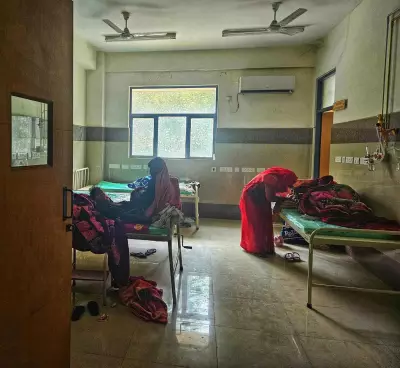
For years, cardiac arrest was widely viewed as a health concern primarily affecting the elderly. However, a disturbing new trend is emerging across India, with cardiologists reporting a sharp rise in sudden cardiac events among individuals in their 20s, 30s, and early 40s. This shift underscores a critical public health issue that demands immediate attention from the younger population.
The Silent Build-Up to a Young Heart Crisis
Modern lifestyles are quietly setting the stage for heart trouble at a young age. Long working hours, chronic unmanaged stress, poor sleep patterns, smoking or vaping, and sedentary habits are major contributors. Compounding this are undiagnosed heart conditions that go unnoticed until a crisis strikes. The reassuring news, according to experts, is that this early cardiac arrest is largely preventable with awareness and timely action.
Dr Raghavendra Iyer, a senior cardiologist from Chennai specialising in preventive heart care, dispels a common myth. "The heart does not suddenly fail in young persons," he states. "It sends warning signals for years — but they can go ignored or dismissed as normal." He emphasises that age alone does not protect against the heart's electrical or structural problems.

Five Essential Steps to Shield Your Heart
1. Heed Unusual Symptoms, Regardless of Age
Young adults often brush off signs like chest tightness, shortness of breath, palpitations, dizziness, or excessive fatigue, attributing them to stress or acidity. This delay can be fatal. Sudden cardiac death in the young is frequently linked to undiagnosed rhythm disorders, structural heart defects, or heart muscle inflammation.
"If that kind of experiencing becomes periodic, or occurs during exercise or stress, the evaluation becomes not optional, but urgent," warns Dr Iyer. Simple preliminary tests like an ECG, echocardiogram, or stress test can identify hidden risks long before they turn dangerous.
2. Master Stress Before It Masters Your Heart
Constant stress triggers a relentless "fight or flight" response, elevating blood pressure and stress hormones without adequate recovery. Dr Iyer notes he sees many patients in their 30s and 40s with clear arteries but "very, very stressed-out hearts." Stress alone can disrupt the heart's electrical system.
Integrating simple daily habits can reset the nervous system. Deep breathing, yoga, meditation, journaling, and regular screen breaks are powerful tools. Dr Iyer stresses that emotional well-being is not a luxury but a fundamental component of heart health.
3. Build a Heart-Friendly Daily Rhythm
Erratic sleep, skipped meals, excessive caffeine, high salt intake, and ultra-processed foods destabilise the heart's natural rhythm. For a young heart, consistency trumps intensity. "The heart loves a schedule," says Dr Iyer. "It becomes more susceptible to rhythm disturbances with less sleep and bad food."
The cornerstone of protection is 7–8 hours of sleep, a balanced diet rich in fruits, vegetables, whole grains, and healthy fats. Limiting alcohol and stimulants, staying hydrated, and maintaining consistent mealtimes are surprisingly vital for stable heart rhythms.
4. Exercise Wisely, Not Wildly
While regular physical activity is one of the best defences against cardiac arrest, jumping into sudden high-intensity workouts without preparation is risky. Young adults pushing for a social media-inspired physique may unknowingly exceed safe heart rate limits.
"Exercise itself should help the heart, not jerk it around," advises Dr Iyer. "Progressing slowly and listening to your body is everything." A sustainable mix of moderate aerobic exercise, strength training, and flexibility work builds resilience. Chest pain, breathing difficulty, or fainting during exercise warrant immediate medical evaluation.
5. Opt for Early Preventive Heart Screening
Conditions like high blood pressure, high cholesterol, diabetes, or inherited heart disorders—all major causes of early cardiac arrest—can remain silent for years. "The biggest mistake is waiting for symptoms," Dr Iyer adds.

Screening is crucial, especially with a family history of heart disease or sudden death. Simple checks in your 20s and 30s, including blood pressure, cholesterol levels, and a baseline ECG, can identify risks early enough for effective intervention.
Conclusion: Empowerment Through Proactive Care
The rising incidence of cardiac arrest among young Indians is alarming but not inevitable. By attentively listening to one's body, proactively managing stress, adhering to heart-healthy habits, exercising judiciously, and seeking early screening, young adults can dramatically lower their risk. Taking these steps today is an investment in ensuring a strong, healthy heartbeat for decades to come.