

5 Skin Signs That Indicate Your Metabolism Is Slowing Down
Your skin is more than just a reflection of your skincare routine; it serves as a vital indicator of your body's internal health. One often-overlooked internal factor is your metabolism, the body's natural process for converting nutrients into energy. As age, stress, poor lifestyle choices, or hormonal changes slow metabolic processes, early warning signs can manifest on your skin. Dr. Khushboo Jha, MBBS, MD, Chief Dermatologist Consultant at Metro Hospital and Founder of One Skin Clinic, highlights five skin changes that may signal a declining metabolism.
Dull Skin and Persistent Lack of Radiance
When metabolism slows, blood circulation and cellular turnover decrease. This extends the skin's natural renewal cycle, which typically occurs every 28 to 49 days, leading to an accumulation of dead skin cells on the surface. As a result, the skin can appear tired, dull, and lifeless, losing its natural glow over time.
Dry and Dehydrated Skin Appearance
Metabolism plays a crucial role in maintaining the skin barrier and lipid production. Reduced metabolic activity can lead to fewer natural oils being produced, causing dryness, flakiness, and a compromised skin barrier. This is often associated with lower levels of essential fatty acids and decreased ability to retain hydration, making the skin feel tight and uncomfortable.

Sudden Adult Acne or Skin Breakouts
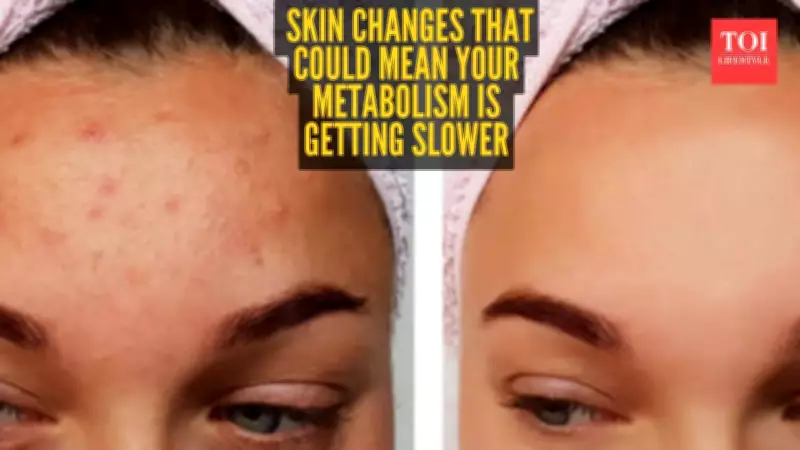
Hormonal imbalances, particularly involving insulin and androgens, are directly linked to poor metabolism. Individuals with insulin resistance may experience increased sebum synthesis, which can trigger unexpected adult acne. Additionally, consumption of high-glycemic index foods combined with a sluggish metabolism can lead to more severe acne outbreaks.
Slower Wound or Acne Healing and Repair
If cuts, acne marks, or skin irritations take longer than usual to heal, metabolism could be a contributing factor. Skin repair relies on cellular energy, protein synthesis, and efficient nutrient delivery, all of which are influenced by metabolic efficiency. Reduced collagen production further delays recovery, hindering the skin's ability to bounce back.
Early Onset of Fine Lines and Loose Skin
A slower metabolism accelerates the breakdown of key skin proteins like collagen and elastin, which form the structural matrix of the skin. This leads to the premature appearance of fine lines, sagging, and loose skin. Metabolic dysfunction also increases oxidative damage to skin cells, further compromising skin structure and contributing to early signs of aging.
Causes Behind These Early Skin Changes
Metabolism extends beyond calorie burning; it governs the body's efficiency in converting nutrients into energy, facilitating cellular repair, and regulating hormones. Optimal metabolism supports skin repair by reducing oxidative damage, whereas poor metabolic health can signal early skin aging, emphasizing the need for internal health focus.
Tips to Improve Body Metabolism
Enhancing your metabolism can positively impact skin health. Key strategies include:
- Consuming a balanced diet rich in protein, omega-3 fatty acids, and antioxidants to fuel metabolic processes.
- Engaging in daily physical activity to improve insulin sensitivity and boost overall metabolic rate.
- Prioritizing adequate rest and stress management through meditation or relaxation techniques to regulate cortisol levels, a stress hormone that can disrupt metabolism and harm skin health.
Catch the Early Signs
These skin changes do not necessarily indicate a metabolic disorder, but they can serve as early warnings. If you notice persistent alterations in your skin, it may be time to look beyond topical creams and address your body's internal health. Ultimately, glowing skin often reflects how well your body functions internally, rather than what you apply externally.






