Bastar Emerges from the Shadow of Naxal Violence: An Exclusive Insight
In a significant development for India's internal security landscape, the Bastar region of Chhattisgarh is witnessing a remarkable transformation, emerging from the long shadow of Naxal violence that once plagued its dense forests and remote villages. This shift marks a pivotal moment in the state's efforts to restore peace and foster growth in an area historically marred by conflict.
Exclusive Interview with IG Sundarraj Pattilingam
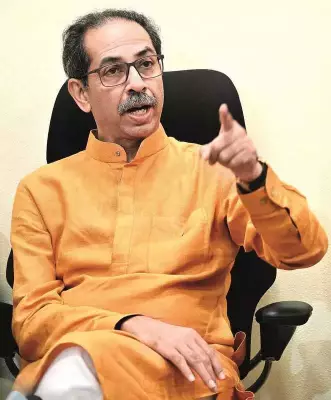
In an exclusive conversation with India TV, Inspector General of Police (IG) Sundarraj Pattilingam provided detailed insights into the ongoing changes. He highlighted a dramatic decline in violent incidents over recent years, attributing this success to a multi-faceted strategy combining robust security operations with community engagement and developmental outreach.
"The situation in Bastar has improved substantially," stated IG Pattilingam. "We have seen a significant reduction in Naxal activities, thanks to coordinated efforts between security forces and local administrations. Our focus has shifted from mere containment to building trust and ensuring sustainable development."

Key Factors Behind the Transformation
The turnaround in Bastar's security scenario is not accidental but the result of deliberate and sustained initiatives. Key factors include:
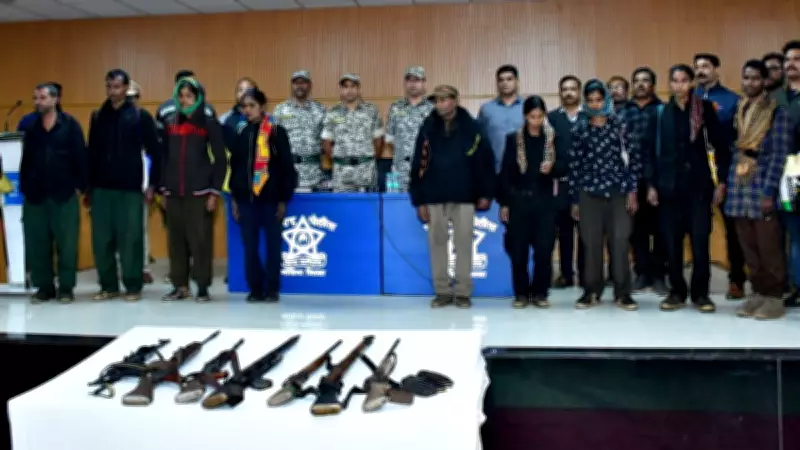
- Enhanced Security Presence: Increased deployment of security personnel and improved intelligence networks have disrupted Naxal operations, leading to fewer clashes and surrenders by insurgents.
- Infrastructure Development: The construction of roads, bridges, and communication networks in previously inaccessible areas has not only improved connectivity but also reduced the isolation that fueled Naxal influence.
- Community Outreach Programs: Initiatives aimed at winning the hearts and minds of local tribes, such as healthcare camps, educational drives, and livelihood support, have helped alienate Naxal groups from their traditional support bases.
- Surrender and Rehabilitation Policies: Government schemes encouraging Naxals to surrender and reintegrate into mainstream society have seen positive responses, further weakening the insurgency.
Impact on Local Communities and Future Prospects
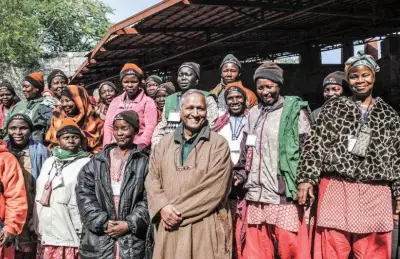
The decline in violence has had a tangible impact on the daily lives of Bastar's residents. Villagers report increased freedom of movement, better access to markets and services, and a growing sense of security. Economic activities, such as agriculture and small-scale industries, are beginning to flourish as the threat of extortion and intimidation recedes.
Looking ahead, IG Pattilingam emphasized the importance of consolidating these gains to prevent any resurgence of violence. "Our work is far from over," he noted. "We must continue to address underlying issues like poverty and lack of opportunities to ensure lasting peace. The focus now is on accelerating development projects and empowering local communities to become stakeholders in their own progress."
This transformation in Bastar serves as a testament to the effectiveness of integrated security and development approaches in conflict zones. As the region steps into a new era of stability, it offers hope and lessons for other areas grappling with similar challenges across India.