

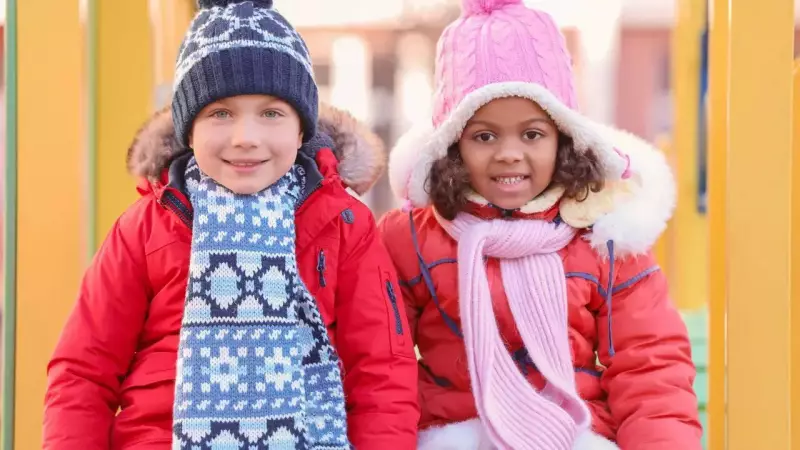
As winter tightens its grip, Indian parents instinctively reach for extra layers to shield their children from the cold. However, a growing chorus of child health experts is sounding an alarm against this well-intentioned practice. They warn that overdressing kids during the colder months can silently hinder their physical development and long-term health.
The Hidden Cost of Restricted Movement
Child development is intrinsically linked to movement. Activities like running, jumping, and climbing are not just play; they are essential workouts that stimulate muscles and bones to grow strong and dense. Thick, heavy winter clothing or multiple tight layers can make these normal activities uncomfortable and exhausting for children. This often leads to a more sedentary lifestyle during a critical growth period.
Pediatricians emphasize that such a lack of physical activity can delay muscle growth and result in poor bone development. Bones require mechanical stimulation to grow properly. Without adequate activity, children may face reduced bone density as they age, setting the stage for future health issues.

Sunlight, Vitamin D, and the Winter Wardrobe Barrier
Winter already presents a natural challenge for sunlight exposure due to shorter days and colder temperatures. Overdressing compounds this problem. When children are swaddled in clothing that covers them head-to-toe and are kept indoors for warmth, their opportunity to get direct sunlight is drastically reduced.
This is a significant concern because sunlight is crucial for the body's production of vitamin D. Vitamin D is essential for calcium absorption, which is the building block of healthy bones and teeth. Furthermore, it plays a vital role in regulating the immune system, a key defense during the cold and flu season.
Overheating and Skin Health Risks
Contrary to common belief, children can overheat in winter, especially indoors or during midday warmth. Multiple layers trap body heat, leading to sweating. When this sweat is held against the skin by non-breathable fabrics, it can cause irritation and increase the risk of skin infections.
Parents might mistake signs of overheating—such as irritability, restlessness, and fatigue—for the child being cold, leading to even more layers. Additionally, the fluid loss from sweating, coupled with a reduced sense of thirst in cooler weather, can contribute to mild dehydration, particularly if children are active while heavily clothed.
Research cited by PubMed Central supports these concerns, noting that children respond to cold differently than adults. Heavy winter wear can raise skin temperature without significantly changing core body heat, primarily serving to limit movement and outdoor play.
Striking the Right Balance for Healthy Growth
The key, experts advise, is to prioritize comfort and versatility over mere insulation. The goal should be balanced winter clothing that protects from the cold while allowing children to stay active.
Opt for light, breathable layers that can be easily added or removed as the child moves between indoors and outdoors. This allows for better temperature regulation. Encouraging outdoor play during the warmer parts of the day ensures children remain physically active and get valuable sunlight exposure. A well-balanced diet rich in calcium and vitamin D further supports robust growth through the winter months.
Ultimately, protecting children from winter's chill shouldn't come at the cost of their natural development. By choosing smart, flexible clothing options and encouraging active play, parents can ensure their kids stay both warm and healthy, fostering strong bones and resilient bodies for the future.






