Pune's Blood Banks Face Critical Shortage, Surgeries Postponed
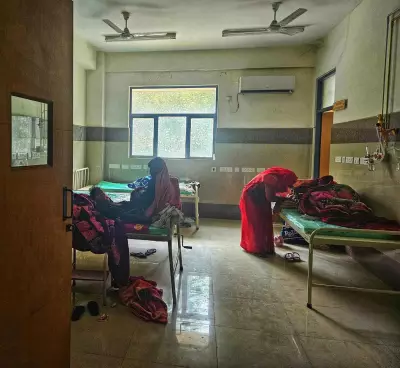
Pune is confronting its most severe blood shortage in nearly two years as collection efforts fail to match rising demand, compelling at least one major hospital to delay critical surgeries. Representatives from multiple blood banks revealed this alarming situation to Times of India on Saturday, highlighting a crisis that shows minimal signs of improvement despite the festive season ending.
Donation Camps See Drastic Drop in Participation
Major blood banks reported that donations during October and November fell dramatically below normal levels. While blood shortages typically ease after festivals, this year has defied the usual pattern. Dr Anand Chaphekar, chief blood transfusion officer at KEM Hospital, expressed serious concern about the minimal improvement in donor turnout. "In recent six to seven camps, we've seen only 12 to 16 donors per camp, which is critically low," he stated.
The shortage is directly impacting patients requiring regular transfusions, including those undergoing chemotherapy, thalassaemia treatment, and bone marrow transplants. These patients depend on steady supplies of red cells, plasma, and platelets. "We've had to postpone some liver transplants because of the shortage," Dr Chaphekar confirmed, emphasizing that transplant cases require specialized irradiated blood components and large quantities of blood.

Thalassaemia Patients at Maximum Risk
KEM Hospital supports approximately 50 thalassaemia patients who rely on regular blood transfusions for survival. "Their requirement cannot wait," Dr Chaphekar stressed, noting that while the hospital typically collects about 700 units monthly, recent figures have plummeted to barely 350 units.
The situation at Jankalyan Blood Centre, which supplies 40-50 hospitals daily, appears equally dire. Officials collected around 2,000 units in November but still struggled to meet demand. Dr Atul Kulkarni, director in-charge, revealed they issue 60-70 red cell units daily and nearly 100 blood components in total. "Thalassaemia alone accounts for 15-20 units daily," he said, adding that this year's October-December demand has been 20-30% higher than last year.
Critical Period Ahead with Fewer Donation Camps
Dr Kulkarni warned that December 21 to January 4 would be particularly challenging since almost no donation camps are scheduled during this period. "If we fail to build adequate stock by December 21, the following 10-15 days will be extremely difficult," he cautioned. The early Diwali this year reduced the number of corporate and college camps, which traditionally provide bulk collections.
Experts noted that previously, demand would drop by 50-60% during November-December, but this year the decline is only 20-30%, while collections have fallen sharply. "The gap between demand and supply has widened significantly," Dr Kulkarni observed.
Hospitals have implemented emergency measures, including requesting patient relatives to arrange replacement donors and repeatedly contacting regular voluntary donors. However, each donor can only contribute once every three months, limiting this approach's effectiveness.
Dr Sanjeev Ketkar from Deenanath Mangeshkar Hospital outlined the ideal donation frequency: "We request male donors to donate four times yearly, female donors three times, and platelet donors up to 24 times annually to support cancer patients and major transplant recipients." He attributed rising demand to increased organ transplants, growing cancer cases, and more complex surgeries.
Purnima Rao, senior consultant at Sahyadri Hospitals, confirmed they've planned 10-15 camps over the next ten days to address the shortage. "Compared to last year's 10% deficit, this year's shortfall is nearly double," she revealed, noting the last comparable crisis occurred two years ago.
Some officials pointed to competition from mega-camps offering expensive gifts like Bluetooth speakers as diverting donors from hospital camps that provide only tokens of appreciation. Work-from-home arrangements and incomplete college schedules have further complicated organizing corporate and campus donation drives.

Prashant Mohan, director of Sanjeevani Blood Centre, described the precarious situation: "Though the shortage has eased slightly, we still can't maintain stock. Whatever comes in goes out immediately." His center, which supplies 63 hospitals, saw monthly collections drop from 1,000 units last year to 300-400 units in October and November this year.
A State Blood Transfusion Council official acknowledged the shortage that began in October and lasted until mid-November is now easing. However, some blood groups remain in short supply, and centers have been instructed to prioritize local requirements before sending surplus units to other districts.