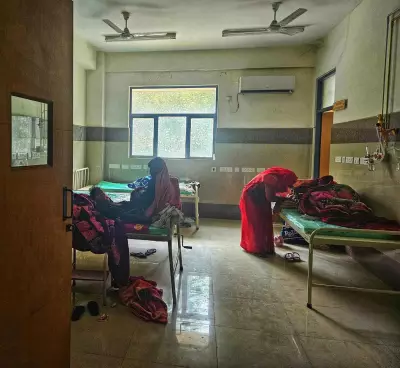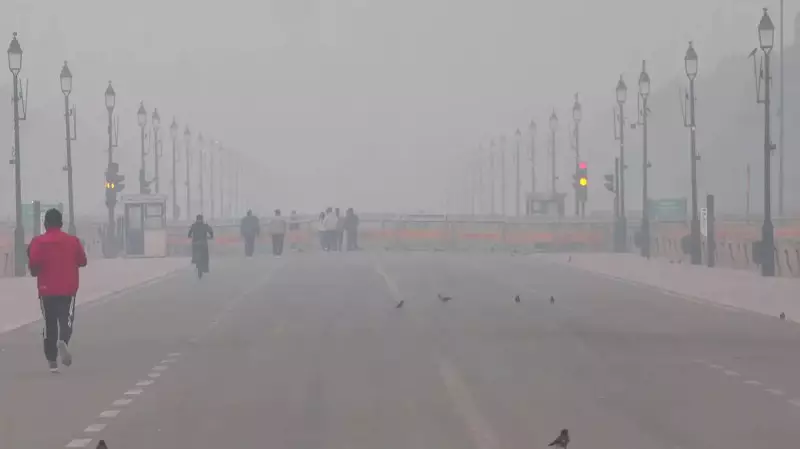
India's major metropolitan cities are witnessing a disturbing surge in cases of acute respiratory illnesses (ARI), and the government has now officially linked this alarming trend to the deteriorating quality of air. Hospitals in Delhi, Mumbai, and Chennai have logged hundreds of thousands of emergency visits over recent years, with a significant number requiring hospitalisation.
Government Data Points to a Clear Pollution Link
Responding to a query in the Rajya Sabha by Dr. Vikramjit Singh Sahney, the Union Minister of State for Health and Family Welfare, Prataprao Jadhav, stated that polluted air acts as a critical "triggering factor" for respiratory diseases. While the causal pathways are complex, the correlation between poor air quality and rising hospital admissions is becoming impossible to ignore.
Official figures presented by the Health Ministry paint a stark picture. In the national capital, six central hospitals reported a total of 67,054 ARI emergency cases in 2022. This number climbed to 69,293 in 2023 and stood at 68,411 in 2024. More worryingly, the number of patients who needed to be admitted rose from 9,878 in 2022 to 10,819 in 2024.

This pattern is not confined to Delhi alone. Similar spikes in emergency care visits for breathing difficulties were recorded in Chennai and Mumbai, particularly during periods of severe pollution.
Why Some Are More Vulnerable Than Others
The Health Ministry clarified that the impact of air pollution on an individual's health is not uniform. It is shaped by a combination of factors that make certain populations far more susceptible. These factors include:
- Food habits and nutrition
- Occupation and workplace exposure
- Socio-economic conditions
- Underlying immunity and medical history
This multi-faceted vulnerability underscores the need for targeted public health interventions alongside broader air quality measures.
NCDC Expands Real-Time National Surveillance
To better understand and respond to these dangerous patterns, the government is significantly strengthening its monitoring systems. The National Centre for Disease Control (NCDC) now operates more than 230 sentinel surveillance sites across 30 states and union territories.
In a major digital push, digital ARI surveillance was launched in August 2023 through the Integrated Health Information Portal. This system aims to capture real-time data on respiratory illness trends, allowing for quicker analysis and a more agile response to pollution-related health emergencies across urban India.
The expanding surveillance network represents a critical step in acknowledging and addressing the direct public health cost of air pollution, moving beyond environmental data to track its human impact.