

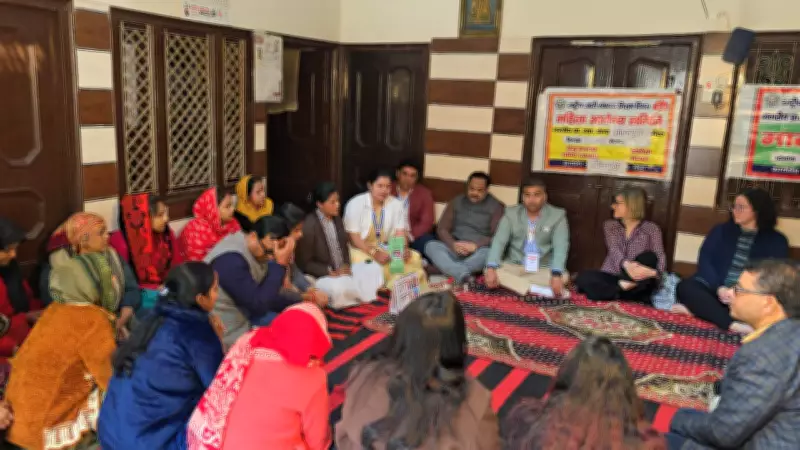
Meerut's 'Maa Arogya Mitra' Model: Mothers Lead Fight Against Lifestyle Diseases
In an era where non-communicable diseases (NCDs) such as hypertension, diabetes, and obesity present a far greater public health threat than traditional infectious ailments, a quiet but powerful revolution is unfolding within the kitchens of Meerut. The innovative "Maa Arogya Mitra" model, a community-driven preventive health initiative, is demonstrating conclusively that the most effective defense against lifestyle-related illnesses is not found in a hospital ward, but rather through the empowerment of mothers at the grassroots level.
Philosophy and Leadership
Guided by the profound philosophy that every kitchen serves as a pharmacy and every mother acts as a doctor, this program strategically shifts the focus away from costly clinical interventions toward foundational prevention. Under the dedicated leadership of Nodal Officer Dr. Ankur Tyagi, and with the expert guidance of Chief Development Officer Nupur Goel and Chief Medical Officer Dr. Ashok Kataria, the initiative is making significant strides in transforming community health paradigms.
Implementation Through 'Mata Baithaks'
The framework leverages culturally embedded wisdom by organizing "Mata Baithaks" or mothers' meetings. These gatherings are designed to educate women on crucial dietary modifications and the importance of early health screenings. The program promotes the use of natural preventatives deeply rooted in local tradition, such as:

- Fenugreek for effective blood sugar management.
- Tulsi (Holy Basil) for boosting immunity and overall wellness.
By training and transforming motivated community volunteers into "Arogya Mitras" or health friends, the model establishes a vital and sustainable bridge connecting individual households directly with the Ayushman Arogya Mandir health infrastructure.
Tangible Results and Success Metrics
The outcomes observed at the Police Line Health Centre stand as a powerful testament to the model's remarkable effectiveness. With 13 ASHA workers providing training to approximately 255 dedicated volunteers, Meerut has successfully achieved the highest district-level screening coverage for critical conditions like high blood pressure and diabetes across the region.
This structured, community-centric approach has yielded a dual benefit:
- It has substantially improved public health outcomes by enabling early detection and preventive care.
- It has significantly strengthened the "Asha Pay" incentive program for frontline health workers.
Through enhanced capacity building and rigorous performance monitoring, the average monthly incentives for ASHA workers have witnessed a dramatic surge, rising from approximately Rs 3,500 to an impressive Rs 9,800. This increase powerfully proves that valuing and adequately compensating community service directly contributes to systemic resilience and program sustainability.
Future Expansion and National Implications
Looking toward the future, the initiative has ambitious plans to integrate these health pioneers with existing Self-Help Groups (SHGs) and align with schemes like the PM Vishwakarma Yojana. This strategic integration aims to ensure long-term financial sustainability for the volunteers and the program itself.
By equipping ASHA workers with essential diagnostic tools such as glucometers and maintaining a strong focus on vegetarian nutrition and holistic wellness, Meerut is setting a compelling national precedent. The core message resonates clearly: a healthy nation truly begins with a healthy home, guided by a mother who embodies the dual role of healer and homemaker, steering her family toward a future of well-being.






