Waymo and Tesla Robotaxis Still Rely on Human Operators for Safety, Filings Reveal
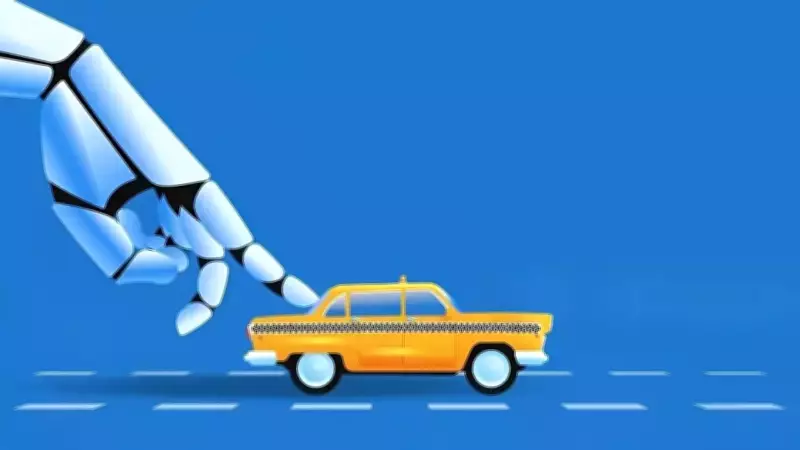
Companies offering self-driving vehicle services have long marketed them as fully autonomous, operating without any human intervention. However, newly released government documents reveal that Google's Waymo and Elon Musk's Tesla continue to depend on human support systems to ensure the safety of their robotaxi services on public roads. According to a report by Wired, filings submitted this month by Alphabet subsidiary Waymo and electric vehicle manufacturer Tesla provide deeper insights into their "remote assistance" programs, detailing how trained personnel intervene when autonomous driving systems face situations they cannot resolve independently. These disclosures offer a clearer picture of the human involvement behind technologies often portrayed as completely automated.
How Remote Operators Control Robotaxis and Why They Are Crucial to the Service
Industry experts emphasize that remote operators are essential for maintaining the safety of self-driving vehicles in unpredictable scenarios, such as traffic congestion, damaged infrastructure, or unclear road conditions. Investigations into incidents where robotaxis passed stopped school buses in Austin, Texas, highlight cases where human support may be necessary. Similarly, a power outage in San Francisco in December 2025 disabled traffic lights, leaving several Waymo vehicles stranded at intersections and requiring assistance. Philip Koopman, an autonomous vehicle software and safety researcher at Carnegie Mellon University, stated, "For the foreseeable future, there will be people who play a role in the vehicles' behaviour, and therefore have a safety role to play." He added that a key challenge in autonomous driving development is ensuring systems recognize when to request human help. The documents indicate that, despite technological advances, human oversight remains an integral part of current robotaxi operations.
How Human Operators Assist Waymo and Tesla Robotaxis
Google's Waymo currently operates a paid robotaxi service across six US metropolitan areas, including Atlanta, Austin, Los Angeles, Phoenix, and the San Francisco Bay Area. The company plans to expand to at least 10 additional cities, such as London, this year. In a blog post and a letter submitted to US Senator Ed Markey, Waymo disclosed further details about its "remote assistance" (RA) program, where human workers respond when vehicle software requests support. Ryan McNamara, Waymo's vice president and global head of operations, explained that these workers provide data or advice that the autonomous system may choose to use or ignore. "Waymo's RA agents provide advice and support to the Waymo Driver but do not directly control, steer, or drive the vehicle," McNamara wrote, addressing claims that robotaxis function as remotely controlled cars. Waymo confirmed that around 70 remote assistants monitor approximately 3,000 vehicles at any given time.

The company revealed that about half of its remote assistance workforce consists of contractors based in the Philippines, with additional offices in Arizona and Michigan. These workers hold Philippine driving licenses but are trained in US traffic rules. Waymo screens all assistants for drug and alcohol use upon hiring, and about 45% undergo random testing every three months. A specialized team in the US handles more complex situations, such as accidents, police encounters, and regulatory matters.
Tesla launched a limited robotaxi service in Austin in June 2025, initially staffed with human safety monitors in the front passenger seat. Elon Musk later stated that some cars began operating without safety monitors, although chase cars are still used in some cases. In the Bay Area, another Tesla ride-hailing service continues to operate with human drivers. In a petition filed with the California Public Utilities Commission, Tesla's AI technical program manager Dzuy Cao described the company's operation of its "remote operators" from offices in Austin and the Bay Area, stressing that Tesla "requires that its remote operators be located domestically."

The company stated that its operators undergo background checks, drug and alcohol screening, and possess valid US driver's licenses, though it did not specify the frequency of these interventions. Experts note that these remote assistance systems remain critical to safety. Autonomous vehicle safety researcher Philip Koopman told Wired, "If there's a person who can make a mistake that can result in or contribute to a crash, then you have a safety issue you have to deal with."