

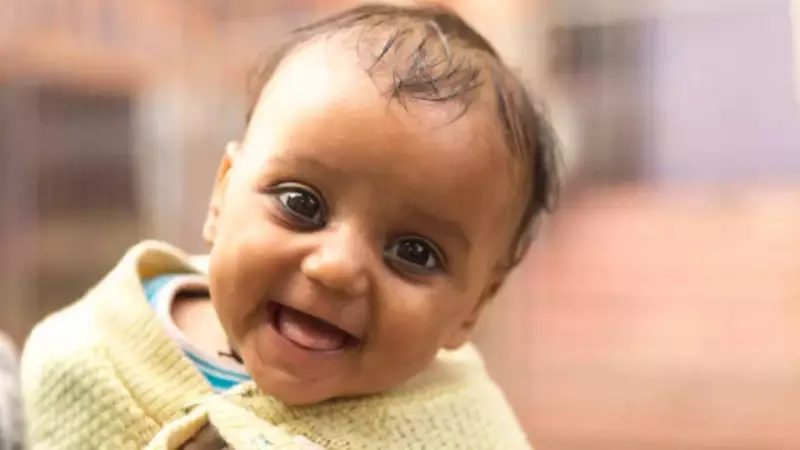
For countless generations in India, applying kajal to a newborn's eyes has been a deeply rooted tradition. Seen as a potent symbol of protection and beauty, many families believe it wards off the evil eye, enhances the brightness of the gaze, and even helps shape larger, more attractive eyes.
The Scientific Verdict: A Clear Health Hazard
However, this cherished practice is now facing rigorous scientific scrutiny. Dr. Karthick Annamalai, a pediatrician, has become a prominent voice cautioning parents, stating that these cultural claims do not hold up against medical evidence. In one of his widely circulated social media reels, Dr. Karthick respectfully acknowledges the cultural importance of kajal but emphasizes that science must guide decisions concerning infant health. "The science is clear, kajal is not safe for babies," he asserts.
The primary danger lies in the composition of kajal. Commercial kajal products frequently contain harmful substances like lead, soot, charcoal, various heavy metals, and preservatives. While homemade versions are often touted as "pure," they are not immune to risks. They can still cause irritation or become contaminated. The presence of lead is especially alarming. For infants, whose nervous systems are in a critical stage of development, even minuscule amounts of lead can interfere with brain growth, cognitive function, and long-term learning abilities.

Beyond Toxins: Risk of Eye Irritation and Infection
The threats from kajal are not limited to internal toxicity. Pediatricians regularly treat babies with eye problems directly linked to its application. Common issues include blocked tear ducts, redness, persistent itching, and recurrent infections, often caused by fine kajal particles entering the eye.
"Babies' eyes are incredibly delicate. Applying kajal can introduce bacteria or allergens," explains Dr. Karthick. He clarifies a common misconception: parents often interpret watery eyes after application as a sign that the kajal is "cleansing" the eyes. In reality, this watering is a symptom of irritation. These conditions can escalate rapidly in newborns, sometimes requiring medical intervention. Discomfort from the irritation may also lead a baby to rub its eyes, potentially worsening the condition or causing a corneal scratch.
Bursting the Pervasive Myth of Eye Shaping
One of the most persistent beliefs driving the use of kajal is that it can enlarge or aesthetically shape a baby's eyes. Dr. Karthick categorically states that this is completely unfounded from a biological standpoint. The size and shape of a person's eyes are determined solely by genetics and cannot be altered by any external topical application.
"Kajal doesn't make eyes bigger. It only increases the risk of infection and discomfort. Babies don't need enhancement; nature has already done the job perfectly," he adds. The growing consensus among pediatric experts is loud and clear: parents should avoid using kajal on infants. While cultural practices hold significant meaning, a child's health and safety must be the paramount priority.
Doctors strongly recommend safe alternatives, such as gently cleaning a baby's eyes with sterile water and avoiding any unnecessary cosmetic products. This shift in perspective champions informed, science-based parenting while honoring cultural heritage through safer practices.






