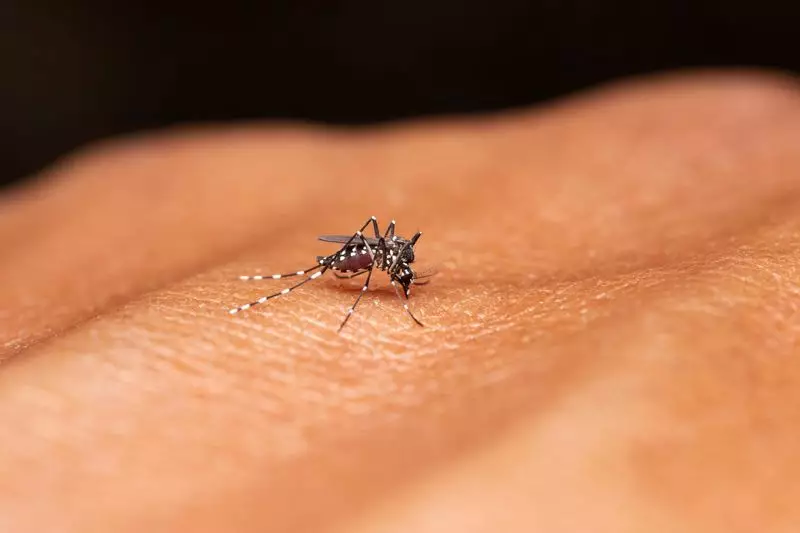
As dusk settles across India, a familiar and dreaded sound begins to hum in the air. The night, a time for rest and respite, has been usurped by a tiny, winged tyrant. Across cities, towns, and villages, the common house mosquito, Aedes aegypti, has launched a relentless nocturnal reign of terror, turning bedrooms into battlegrounds and sleep into a coveted prize.
The Science of the Nighttime Assault
For decades, conventional wisdom held that the Aedes aegypti mosquito, a primary vector for deadly diseases like dengue and chikungunya, was a daytime biter. Public health advisories focused on protection during daylight hours. However, a disturbing behavioral shift has upended this understanding. Recent observations and studies confirm that these mosquitoes are now actively hunting humans well into the night, particularly in urban and semi-urban areas.
This change is not a minor adjustment but a significant adaptation. Experts point to artificial lighting as a major catalyst. The pervasive glow from streetlights, homes, and commercial establishments has effectively extended the "day" for these insects. Mosquitoes, which use visual cues to locate hosts, now find a well-lit human silhouette just as tempting at 10 PM as they did at 10 AM. The cover of darkness, once a natural repellent, has been neutralized by human activity.

Urbanization and the Perfect Storm
The problem is exacerbated by India's rapid urbanization, which creates an ideal breeding and feeding ground. Stagnant water in construction sites, clogged drains, uncovered water tanks, and even discarded plastic containers provide perfect nurseries for larvae. The dense human population in cities offers a ready blood meal. Furthermore, the widespread use of air conditioning may be contributing to the shift. As people retreat into cool, indoor environments during the hot day, mosquitoes are forced to follow their prey into the cooler evening and night hours when windows and doors might be open.
The consequences of this nocturnal activity are severe for public health. It stretches the window of potential infection, making 24-hour protection essential. A person bitten by an infected mosquito at night is just as likely to contract dengue as one bitten during the day. This behavioral adaptation renders traditional time-based protective advice obsolete and complicates disease control efforts.
Rethinking Prevention and Control
Combating this evolved threat requires a fundamental rethink of strategy. The old playbook is no longer sufficient. Public health campaigns must urgently update their messaging to emphasize that the danger is now round-the-clock. Night-time protection must become a cornerstone of public awareness.
Effective measures now include:
- Using mosquito nets (even in urban settings) and ensuring they are properly tucked in.
- Applying EPA-approved repellents in the evening and before sleep.
- Installing and maintaining screens on windows and doors.
- Wearing long-sleeved, light-colored clothing at home during evening hours.
- Eliminating standing water in and around homes weekly, as larvae can develop in just a few days.
On a community and municipal level, the fight must intensify. This includes regular and efficient fogging operations, improving drainage systems, enforcing penalties for allowing water stagnation, and innovating with biological control agents. Citizens' participation in reporting breeding sites is more critical than ever.
The mosquito's successful invasion of the night is a stark reminder of nature's ability to adapt to human-altered environments. It underscores that our battle against vector-borne diseases is dynamic, not static. For India, reclaiming the peace of the night from this buzzing terror demands a vigilant, informed, and round-the-clock response from every household and every civic body. The night is no longer a safe haven; it is the new frontline in public health.