India has set an ambitious target to significantly expand access to PrEP (Pre-Exposure Prophylaxis) as part of its HIV prevention strategy by 2025. This announcement comes as the country observes World AIDS Day, highlighting renewed commitment to combating the epidemic through scientific advancements.
What is PrEP and How Does It Work?
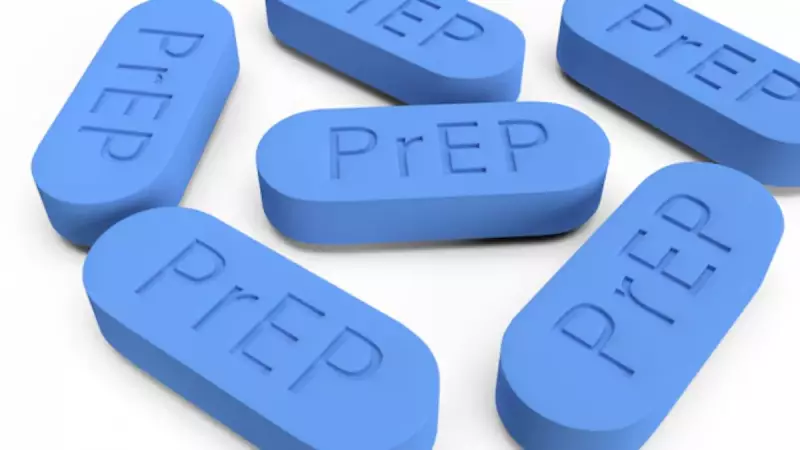
PrEP represents a groundbreaking approach to HIV prevention where HIV-negative individuals take antiretroviral medication to reduce their risk of contracting the virus. The medication works by stopping HIV from establishing infection in the body when taken consistently as prescribed.
Unlike emergency PEP (Post-Exposure Prophylaxis) taken after potential exposure, PrEP is a preventive measure taken before potential exposure to HIV. Global studies have demonstrated that when taken correctly, PrEP reduces the risk of getting HIV from sex by about 99% and from injection drug use by at least 74%.

India's Strategic Implementation Plan
The integration of PrEP into India's National AIDS Control Program marks a significant evolution in the country's approach to HIV prevention. Health authorities are developing comprehensive guidelines for PrEP implementation, focusing initially on populations at higher risk of HIV exposure.
The program will prioritize key populations including sex workers, men who have sex with men, transgender individuals, and people who inject drugs. These groups have historically faced disproportionate HIV burden and will benefit most from expanded prevention options.
Medical protocols will include mandatory HIV testing before starting PrEP and regular follow-up testing every three months to ensure users remain HIV-negative and receive appropriate counseling and support.
Combining Strategies for Maximum Impact
Health experts emphasize that PrEP will complement rather than replace existing HIV prevention methods. The approach integrates with condom use, harm reduction programs, and awareness campaigns to create multiple layers of protection.
This expansion aligns with India's commitment to achieving global 95-95-95 targets by 2025: 95% of people living with HIV knowing their status, 95% of diagnosed people receiving antiretroviral treatment, and 95% of those on treatment having suppressed viral loads.
The timing of this announcement during World AIDS Day underscores India's determination to leverage scientific advancements in its ongoing battle against HIV/AIDS. With proper implementation and accessibility, PrEP could significantly contribute to reducing new HIV infections across the country.
As India moves toward its 2025 target, healthcare providers, community organizations, and public health authorities are preparing for the systematic rollout of this powerful prevention tool, potentially transforming the landscape of HIV prevention in the country.