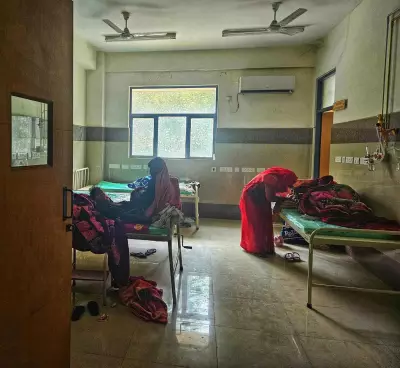
Doctors Issue Alert on Hidden Health Dangers During Seasonal Shifts
Medical professionals are raising urgent concerns about the significant but often underestimated health risks that accompany seasonal transitions. As weather patterns shift from one season to another, such as from winter to spring or summer to monsoon, the human body faces increased vulnerabilities to a range of illnesses. Doctors emphasize that these periods of change can trigger a spike in health issues, making it crucial for the public to be proactive in safeguarding their well-being.
Understanding the Impact of Seasonal Changes on Health
Seasonal transitions involve fluctuations in temperature, humidity, and environmental factors that can disrupt the body's natural equilibrium. According to health experts, these changes weaken the immune system, making individuals more susceptible to infections, allergies, and chronic condition flare-ups. Common risks include respiratory problems like asthma and bronchitis, viral infections such as influenza, and digestive disorders. The stress on the body during these times can also exacerbate existing health conditions, leading to complications if not managed properly.
Key Health Risks Identified by Medical Authorities
Doctors have pinpointed several specific health hazards linked to seasonal shifts. These include:

- Increased Infection Rates: The damp and variable weather conditions create ideal environments for pathogens to thrive, resulting in higher incidences of colds, flu, and other contagious diseases.
- Allergic Reactions: Pollen levels and mold spores often surge during transitions, triggering allergies and respiratory distress in sensitive individuals.
- Cardiovascular Strain: Sudden temperature changes can affect blood pressure and heart function, posing risks for those with cardiovascular issues.
- Mental Health Challenges: Seasonal affective disorder and increased stress levels are common as daylight and weather patterns alter, impacting mood and overall mental well-being.
Preventive Measures Recommended by Healthcare Professionals
To mitigate these risks, doctors advocate for a proactive approach to health during seasonal changes. Key recommendations include:
- Boost Immunity: Maintain a balanced diet rich in vitamins and minerals, stay hydrated, and consider supplements if advised by a healthcare provider.
- Practice Good Hygiene: Regular handwashing, wearing masks in crowded places, and avoiding close contact with sick individuals can reduce infection spread.
- Manage Allergies: Use air purifiers, keep windows closed during high pollen times, and consult a doctor for allergy medications or treatments.
- Monitor Health Conditions: Individuals with chronic illnesses should regularly check their symptoms and adhere to medical advice to prevent exacerbations.
- Stay Active and Manage Stress: Engage in moderate exercise and relaxation techniques like yoga or meditation to support physical and mental resilience.
Doctors stress that awareness and early intervention are vital in combating the hidden dangers of seasonal transitions. By adopting these preventive strategies, the public can better navigate these periods and maintain optimal health throughout the year.