In Goa, a concerning trend is emerging among people living with HIV, particularly the youth, where the fear of social stigma is leading them to deliberately skip their crucial antiretroviral therapy (ART) sessions. This is happening even though the government provides this lifesaving treatment completely free of charge.
The Shadow of Stigma Over Healthcare
Medical officers from Goa's ART centres reveal that the primary driver for patients missing their medication is the terror of their close ones discovering their HIV status. Dr. Sheetal Khalap, medical officer at the ART centre in Goa Medical College (GMC), explains that this fear of discrimination prevents patients from even visiting the treatment centres. "They don't want to tell their families for fear of being stigmatised, and so they don't want to turn up at ART centres either," she stated.
This avoidance is rooted in a persistent and dangerous misconception. Dr. Khalap points out that many still wrongly believe an HIV diagnosis is a death sentence, leading to a loss of hope. "Their misconception about HIV — that it cannot be controlled — makes them lose hope," she said. In reality, ART is highly effective in managing the virus.

Severe Consequences of Skipping Treatment
Deliberately avoiding ART has dire medical consequences. It not only allows the disease to progress rapidly but also jeopardises future treatment options. Goa's centres offer three lines of ART, and irregularity can render the first line of treatment ineffective, forcing a switch to more complex regimens later.
Dr. Khalap warns that in patients who are not regular, the risk of the condition worsening is high. "Their condition can jump from stage 1 to stage 4, exposing them to infections like TB, fungal pneumonia, or muscle wasting syndrome if they are not on ART," she emphasised. The standard daily pill load for HIV patients is manageable, ranging from one to three pills a day, but non-adherence can necessitate an increased dosage.
Who is Most at Risk?
Experts identify specific groups that struggle with adherence. These include alcoholics, patients with substance abuse issues, bedridden or hospitalised patients with other health conditions, tourists, and migrant labourers. Dr. Kameshwari Kadnekar, medical officer at the ART centre in South Goa District Hospital, notes the complex situation migrant workers face. Once diagnosed, they often face rejection from family or fellow workers, or they believe they will get better treatment in their native villages, leading to disrupted care.
The stigma is so pervasive that it prevents people from getting tested in the first place and forces some to travel long distances to ART centres in other parts of Goa or across state borders where they won't be recognised.
The Power of Consistent Treatment
On the flip side, the results for those who adhere to their regimen are profoundly positive. Dr. Khalap shares that GMC's ART centre has seen excellent outcomes in patients who are meticulous with their healthcare. "ART improves the quality of life by stopping opportunistic infections. We have many who have been on ART for two decades, including some 80-year-olds, who never miss therapy," she said, highlighting that a long, healthy life is possible with treatment.
To encourage new patients, counsellors draw parallels with other chronic conditions. Dr. Kadnekar mentioned they counsel patients about the importance of ART, telling them that "even diabetic and hypertensive persons are on daily medication." She also noted that most HIV patients gain healthy weight soon after starting medication, a positive sign of the treatment's efficacy.
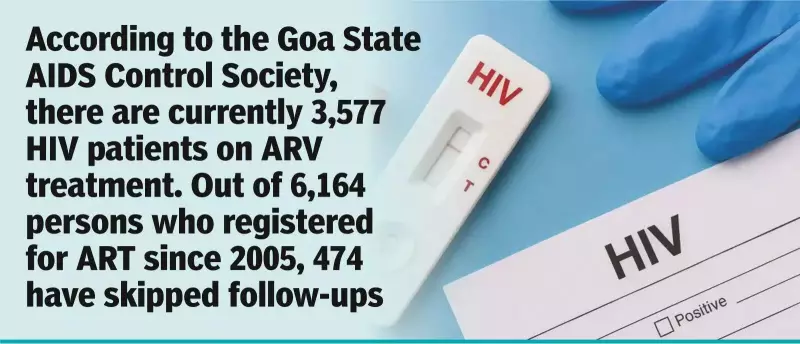
According to data from the Goa State AIDS Control Society, there are currently 3,577 HIV patients on ARV treatment in the state. Since the program's inception in 2005, a total of 6,164 people have registered for ART, out of which 474 have skipped their follow-ups, underscoring the ongoing challenge of retention in care.