

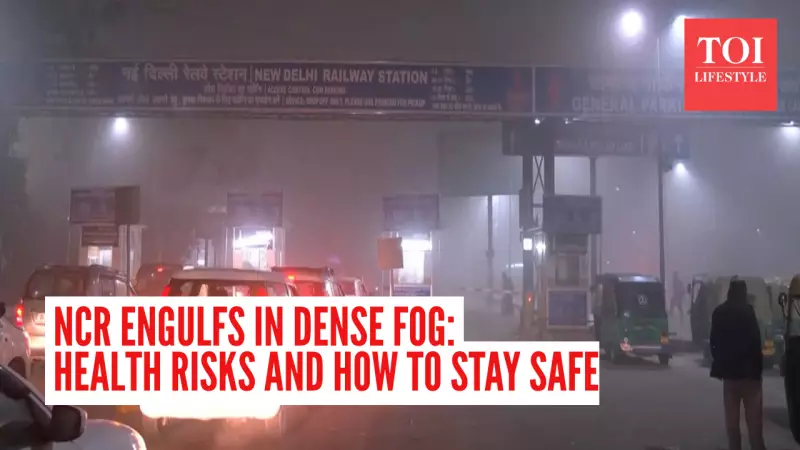
Residents of Delhi and the National Capital Region (NCR) woke up to severely disrupted visibility on the morning of Friday, 29 December, as a thick blanket of dense fog enveloped the area. The Indian Meteorological Department (IMD) responded by issuing an orange alert for dense fog in the capital, warning of continued hazardous conditions.
Beyond Inconvenience: The Toxic Reality of Fog and Pollution
While the fog caused immediate problems like flight cancellations and reduced visibility on roads, the greater danger lies in its interaction with the region's chronically poor air quality. The air quality index remained in the 'severe' category, and the fog acts as a trap for pollutants. This combination creates smog—a far more harmful mixture.
Scientific studies underscore the grave health implications. Research published in the Journal of Thoracic Disease explains that smog exacerbates respiratory illnesses by concentrating pollutants in the air we breathe. This exposure can aggravate symptoms in healthy individuals and worsen conditions for those already suffering from asthma, bronchitis, or other respiratory issues.

The threat is particularly acute from fine particulate matter known as PM2.5. A separate study highlighted in the same journal notes that these microscopic particles can penetrate deep into the small airways and alveoli of the lungs, eventually entering the bloodstream. This invasion can trigger inflammation, vasoconstriction, and is linked to long-term risks including malignancies and premature death.
Fog's Hidden Microbial Threat and Essential Safety Measures
The dangers are not limited to chemical pollutants alone. A study published in Heliyon, a Cell Press journal, conducted at a rural site in Bihar's Vaishali District, found that foggy conditions can be enriched with various pathogenic bacteria, including some opportunistic pathogens that target human respiratory, skin, and oral organs.
Given these multifaceted risks, adopting protective measures is crucial. Another study titled 'Daily lifestyles in the fog and haze weather' in the Journal of Thoracic Disease provides a practical guide to minimize adverse health impacts on a daily basis.
Key Recommendations for Personal Safety:
Boost Your Immunity with Vitamins: Strengthen your body's defenses by ensuring adequate intake of key vitamins. Vitamin A improves immune function and resistance to infections. Vitamin D compensates for lack of sunlight exposure. Vitamin C acts as a powerful antioxidant to reduce oxidative stress caused by pollutants.
Essential Daily Habits:
- Drink an adequate amount of water throughout the day to help your body flush out toxins.
- Make a concerted effort to keep indoor air clean by using air purifiers and avoiding indoor smoking.
- Limit outdoor exposure. Try to stay indoors as much as possible, especially during early morning and late evening when fog is densest.
- Always wear a protective mask (like an N95 or KN95) when going outside.
- Cleanse thoroughly after exposure. Wash your face, gargle with water, and gently clean your nasal cavity to remove deposited particles.
The current fog episode in Delhi-NCR is a stark reminder that what appears as a simple weather phenomenon can conceal a significant public health challenge. Heeding the IMD's warnings and following these science-backed precautions can help residents navigate this hazardous period more safely.
Disclaimer: This information is for educational purposes only and is not a substitute for professional medical advice. Please consult a healthcare provider for any health concerns.






