The year 2025 marked a definitive shift in India's relationship with health and wellness. What was once considered a post-pandemic phase has now firmly woven itself into the fabric of everyday life. From the water we drink to how we socialize and exercise, the pursuit of optimal well-being has become a central, sometimes quirky, programming for daily activities.
Fitness Evolves into a Social Connector
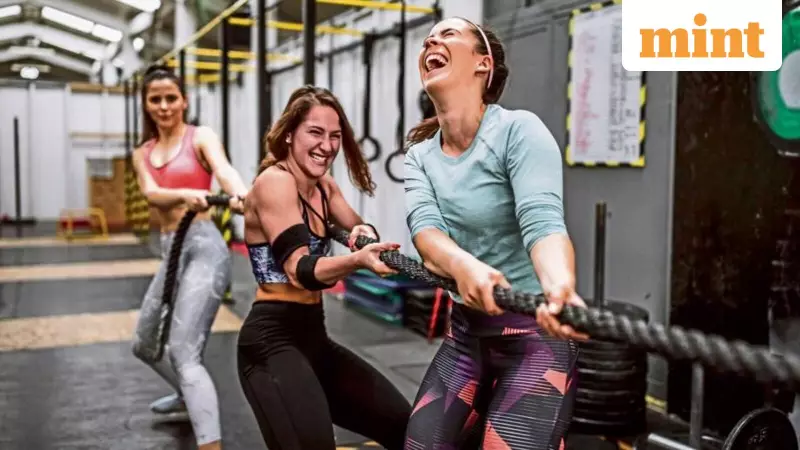
As the first full wave of Gen Z entered adulthood, they redefined fitness goals. For them, breaking a sweat became as much about forging real-life connections as about health. Running clubs, pickleball matches, football games, and gym sessions transformed into vibrant social hubs. This trend saw brands like Puma, Bumble, and Tinder cleverly tapping into the new zeitgeist.
Data from Strava's 2025 Year in Sport Trend report underscores this shift: 39% more Gen Z users than Gen X use fitness activities to meet people. Furthermore, the concept of a workout first date gained traction, with 46% of respondents enthusiastically saying "heck yes," while 31% gave it a "hard pass."

The Rise of the Hybrid Athlete and Racquet Sports
The Indian launch of the global fitness phenomenon, Hyrox, created a new breed of enthusiast: the hybrid athlete. This grueling event combines an 8km run with eight functional exercises, like pushing a 100kg sled. It celebrates those who can balance endurance with strength, humorously described by aficionados as someone who "half sucks at running and is mediocre in gyms." Strava's report confirms this multi-activity trend, with 54% of users now tracking more than one sport.
While pickleball enjoyed popularity, padel emerged as a serious contender in 2025. Criticized by some as slow, pickleball faced competition from the faster, more skill-intensive padel, played inside an exciting "glass cage." Padel's appeal exploded beyond metros, reaching tier 2 and 3 cities like Jamshedpur and Guwahati.
Nutrition, Pharma, and Breaking Taboos
In nutrition, creatine stepped into the spotlight as the new star supplement. Backed by timely research, it gained fame for boosting short-burst performance in weightlifting, sprinting, and sports. Niyati Naik, a clinical dietician at Mumbai's Kokilaben Dhirubhai Ambani Hospital, notes creatine improves muscle strength, exercise performance, and hydration.
The pharmaceutical landscape was stirred by the launch of GLP-1-based weight-loss drugs like Wegovy, Ozempic, and Mounjaro. Despite high costs—Eli Lilly's Mounjaro KwikPen can cost between ₹14,000 and ₹27,500 monthly—they saw massive demand. While beneficial for managing obesity and diabetes, their use for aesthetic goals sparked debate, a conversation amplified when tennis star Serena Williams publicly endorsed them for lifestyle purposes.
Perhaps one of the most significant social shifts was the loud, open conversation around perimenopause. Moving from whispers to mainstream dialogue, women from all walks of life—actors, doctors, homemakers—shared experiences of hot flushes and brain fog. Writer Ruchita Dar Shah, who runs the @fabulousmidlifeclub Instagram handle, attributes this to rising awareness, creating a supportive sisterhood for women navigating this unpredictable phase.
Quirky Rituals and Functional Hydration
Gen Z also drove viral, if eccentric, wellness trends. From extreme 5 AM routines to "bathroom camping"—sitting in the restroom to cope with burnout—these rituals generated both laughs and serious followings. Simultaneously, hydration got an upgrade. Functional waters fortified with proteins, vitamins, and electrolytes became the flex for the sober-curious generation, turning simple sipping into a wellness statement.
In essence, 2025 proved that in the world of wellness, the only constant is change, with a new trend always poised to be tried, tested, and talked about across India.