Delhi's ongoing struggle with hazardous air pollution intensified dramatically on Wednesday, December 3, 2025, as the air quality across the national capital plummeted into the 'severe' category. A thick, choking blanket of smog enveloped the city, reducing visibility and posing serious health risks to its residents.
Widespread Severe Air Quality Grips the Capital
According to the latest data released by the Central Pollution Control Board (CPCB), the situation reached a critical point in the early hours of the morning. At 7:05 AM, readings from 40 monitoring stations revealed that 14 locations had recorded an Air Quality Index (AQI) above 401, firmly placing them in the severe zone. The average AQI for Delhi stood at a worrying 376, indicating 'very poor' conditions citywide.
This alarming spike marks a rapid deterioration from the previous days. Delhi had registered an AQI of 279 in the 'poor' range on November 30, which worsened to 304 on December 1 and 372 on December 2, setting the stage for Wednesday's severe crisis.

List of Worst-Affected Areas with Severe AQI
The CPCB data pinpointed specific localities that bore the brunt of the toxic air. The following areas recorded the highest pollution levels, with their AQI firmly in the severe category:
- Nehru Nagar - 436
- Chandni Chowk - 431
- RK Puram - 420
- Rohini - 417
- Vivek Vihar - 415
- Bawana - 408
- Sirifort - 408
- Dr Karni Singh Shooting Range - 406
- Jahangirpuri - 406
- Wazirpur - 406
- Anand Vihar - 405
- Jawaharlal Nehru Stadium - 405
- Okhla - 404
- Ashok Vihar - 403
A City Shrouded in Smog
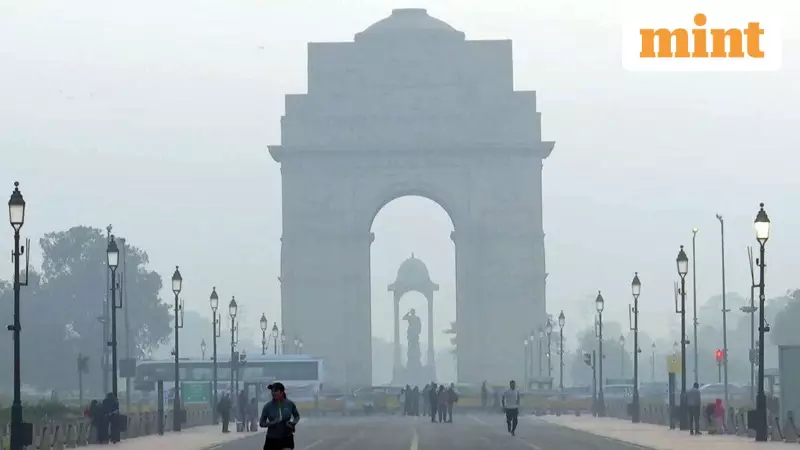
The visual evidence of the crisis was unmistakable. Iconic landmarks like India Gate and the Kartavya Path were obscured by a dense layer of smog, painting a grim picture of the environmental emergency. The CPCB's Sameer app provided a slightly broader view, showing that NSIT Dwarka was the sole location in Delhi with an AQI in the 'poor' range. All remaining 25 stations for which data was available recorded air quality in the 'very poor' category, indicating that the problem was pervasive and not confined to just the worst-hit spots.
The consistent decline in air quality over the preceding days highlights the persistent nature of Delhi's pollution problem, which typically escalates during the winter months due to a combination of meteorological factors and local emissions.