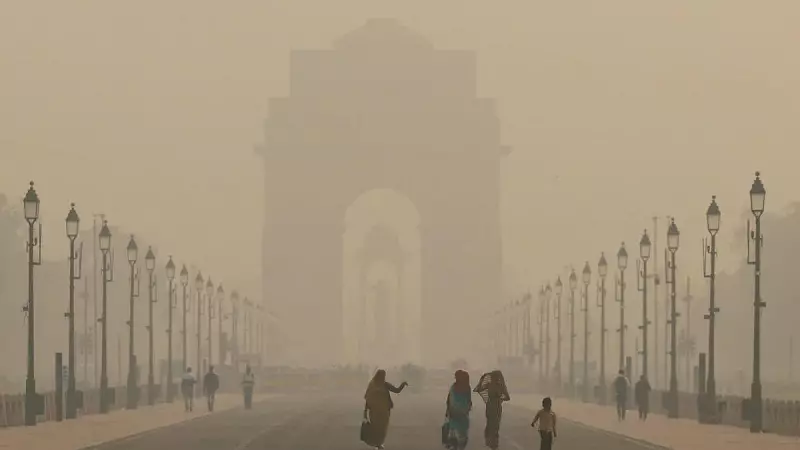
Residents of India's capital breathed a cautious sigh of relief on Sunday as the city's air quality finally showed signs of improvement. After a grueling 24-day stretch where the air was consistently rated as 'very poor' and often veered into the 'severe' category, the Air Quality Index (AQI) moved into the 'poor' zone.
A Welcome Shift in Air Quality Category
The data recorded on Sunday, the 1st of December 2025, showed the AQI at 279. This reading marked a significant, though still concerning, shift from the hazardous levels that had plagued the National Capital Region for over three weeks. The 'poor' category, while still posing health risks, especially to sensitive groups, represents a notable step down from the 'very poor' and 'severe' classifications that mandate emergency measures.
Temperature Dips Below Seasonal Norms
Accompanying the change in air quality was a drop in the mercury. The minimum temperature in Delhi settled below the normal average for this time of the year. This cooling is a typical feature of the North Indian winter but can also influence local weather patterns that affect pollution dispersion.

The Long Haul of Hazardous Air
The preceding 24 days had been a severe public health challenge for Delhi. An AQI in the 'very poor' range (301-400) can trigger breathing discomfort for most people on prolonged exposure, while the 'severe' category (401-500) affects healthy people and seriously impacts those with existing diseases. The prolonged period of such pollution underscores the persistent environmental issues the megacity faces annually, primarily due to factors like:
- Vehicle emissions
- Industrial pollution
- Construction dust
- Seasonal agricultural burning in neighboring states
While Sunday's improvement offers a temporary reprieve, experts warn that the situation remains fragile. Weather conditions, particularly wind speed and direction, play a crucial role. A change in these meteorological factors could easily push the air quality back into the more dangerous 'very poor' bracket. Authorities continue to monitor the situation closely, with the Graded Response Action Plan (GRAP) measures likely remaining in force to prevent a rapid deterioration.
The break in the intense pollution spell provides a crucial window for citizens to minimize exposure and for policymakers to assess the effectiveness of recent measures. However, the battle for clean air in Delhi is far from over, and sustained, long-term solutions are urgently needed to prevent such extended episodes in the future.