As a familiar, choking haze descends upon Delhi-NCR, the annual winter alarm bells are ringing far beyond mere lung irritation. For crores of residents in India's largest megapolis, the onset of cold weather signals the beginning of a prolonged assault by highly polluted air, with consequences that silently infiltrate the entire body.
Beyond the Lungs: A Systemic Assault on Vital Organs
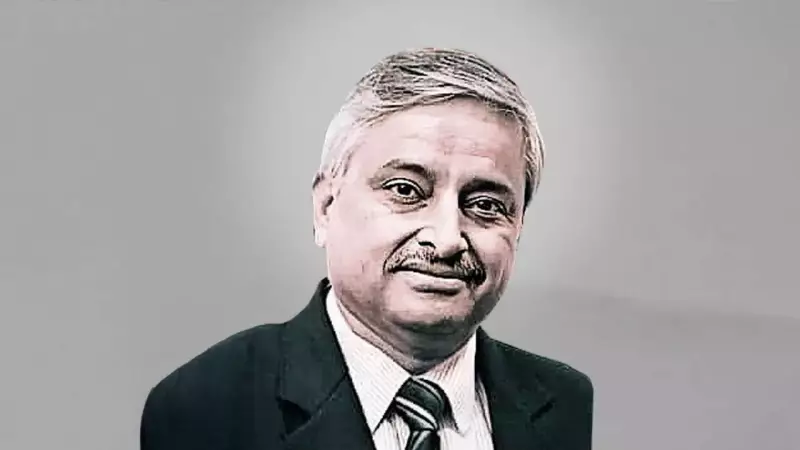
Dr Randeep Guleria, Chairman of Internal Medicine and Respiratory and Sleep Medicine at Medanta, warns that the damage is not confined to respiratory distress. The heart is particularly vulnerable, as toxic air triggers inflammation in coronary vessels, escalating the risk of heart attacks and aggravating heart failure. The brain is another major target, with long-term exposure linked to an increased likelihood of stroke, early dementia, and memory decline.
This isn't mere speculation. Strong evidence from both animal and human studies confirms that PM2.5 and ultrafine particles (smaller than 0.1 microns) cross from the lungs into the bloodstream. Once in circulation, they cause blood vessel inflammation, a condition known as endotheliitis. In the heart, this process raises the threat of heart attacks, flare-ups of heart failure, and hypertension. In the brain, similar inflammation and narrowing of vessels heighten stroke risk. Compounding the danger, PM2.5 particles act as carriers for toxic chemical 'hitchhikers' that amplify damage across multiple organs.

"People view air pollution as a seasonal lung problem, but chronic exposure affects the heart, brain and other organs," Dr Guleria emphasises, highlighting a critical public misconception.
The Overlooked Long-Term Threats and Early Warning Signs
The insidious impact extends further. While evidence is still growing, once particulate matter enters the bloodstream, it can potentially affect organs like the kidneys and gut, possibly worsening existing kidney disease and contributing to gastrointestinal issues. The cancer risk also broadens; beyond the well-established link to lung cancer, new studies indicate toxins carried by particles can enter the bloodstream, cause cellular mutations, and potentially increase cancer risk in other organs.
Emerging data even points to a connection between polluted air and metabolic disorders like diabetes, though more research is needed to pinpoint the exact pollutants and pathways involved.
Dr Guleria identifies the most overlooked effect as the long-term, whole-body impact, especially on children. Those growing up in polluted areas suffer reduced lung capacity, with consequences that persist into adulthood—a rarely discussed but critical issue.
For individuals, vigilance is key. Early warning signs of harm beyond the lungs include:
- Persistent eye irritation or redness
- Nasal congestion and blockage
- Chest tightness
- Breathlessness even during mild activity
Pollution can also elevate blood pressure and worsen symptoms for those with pre-existing heart or lung conditions. Anyone experiencing these signs persistently should seek medical attention.
A Call for a Coordinated National Fightback
The long-term prognosis for younger adults is particularly alarming. Chronic exposure to high pollution levels is equated to smoking 10-15 cigarettes daily. This exposure can lead to premature heart disease, early neurological disorders, stroke, and long-term respiratory problems—conditions typically associated with long-term smokers.
To combat this pervasive threat, Dr Guleria stresses that India requires a coordinated national strategy. He calls for clinicians, scientists, and policymakers to join forces to quantify the long-term health effects and set realistic, actionable targets to reduce pollution. Increased investment in research, monitoring, and sustainable interventions is imperative to bring pollution down to safe levels within the next few years.
The annual winter pollution in Delhi-NCR is more than an environmental nuisance; it's a full-scale public health emergency attacking the very core of human health, demanding an urgent and unified response.