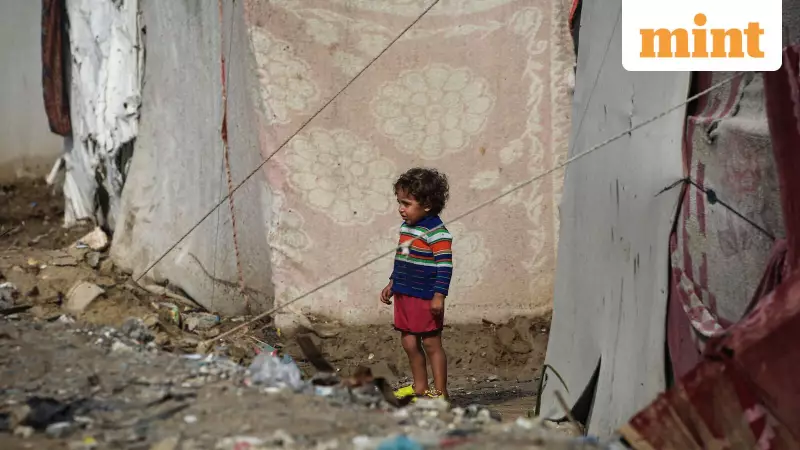
In a stark reversal of a decades-long positive trend, the number of children dying before their fifth birthday is projected to increase this year. A major report released by the Bill & Melinda Gates Foundation warns that approximately 243,000 more children under the age of five have died or will die in 2025 compared to 2024. This marks the first projected annual rise in child mortality in generations.
A Decades-Long Progress Derailed
The consistent decline in child deaths since at least 1990 is considered one of modern public health's greatest successes. This progress was fueled by widespread delivery of vaccines, essential medicines, better nutrition, and improved healthcare access for mothers and children. The projected number of deaths for 2025—around 4.8 million—is still less than half the 11.6 million recorded in 1990. However, the upward trajectory is a alarming signal.
The projections, prepared by the University of Washington's Institute for Health Metrics and Evaluation (IHME), point to a specific regional crisis. While child mortality rates are expected to keep falling in India and most other parts of the world, the situation is dire across several African nations. Countries like the Democratic Republic of Congo, Somalia, and Uganda are experiencing the brunt of this crisis.

Root Causes: Conflict, Debt, and Cuts in Aid
According to the report and health officials, the surge in child deaths is primarily linked to a combination of conflict, overwhelming debt interest payments, fragile health systems, and a significant reduction in foreign health assistance. Bill Gates, in an interview, identified a 27% decline in global health aid from wealthy donor nations, including the United States and some European governments, as a key driver.
This aid is critical for funding medicines, health clinics, medical workers, and nutritional support in impoverished regions. Gates specifically cited the Trump administration's cuts and reorganization of the U.S. Agency for International Development (USAID) as a "gigantic mistake" contributing to the current turmoil. The White House responded by stating the U.S. remains the world's top foreign aid donor and that its policies aim to foster self-reliance in partner countries.
The Human Cost: Stories from the Ground
The statistics translate into profound human suffering. Melaku Yirga of Mercy Corps described a grim pattern across Africa: "more children arriving at health centers sicker and in greater numbers." In Somalia, the crisis is particularly acute.
The story of Khadra Hussein Ibrahim, a 40-year-old mother living in a displaced-persons camp outside Mogadishu, is heartbreaking. She lost her two-year-old son, Abdi Bari, to malnutrition months after Mercy Corps was forced to cut nutrition services due to an 80% reduction in USAID funding for its Somalia programs. The aid had been her lifeline. After it stopped, she struggled to find work and food, grew weak herself, and could not save her breastfeeding son when he fell ill with diarrhea and dehydration.
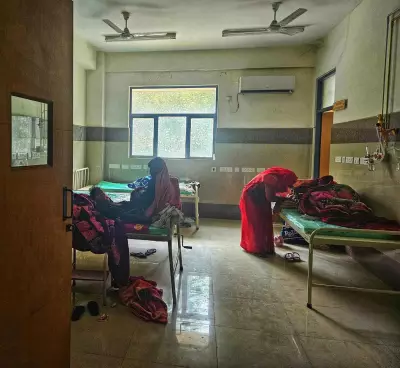
Health officials in Somalia's southwest state report rising outbreaks of measles, diphtheria, and severe diarrhea due to dropping vaccination rates. They lack sufficient therapeutic food to treat severe malnutrition, and pregnancy complications are increasing as expectant mothers cannot reach hospitals. The United Nations notes that over 200 health facilities in Somalia have closed or ceased operations. IHME projects more than 34,000 additional childhood deaths in Somalia alone this year, linked to a 24% drop in foreign health aid.
A Long Road to Recovery
Bill Gates warned that recovering from this setback will take years. "I think we're going to have five very tough years where at best we'll be able to plateau the deaths," he stated. The report underscores how geopolitical decisions and funding cuts in distant capitals can have immediate and lethal consequences for the world's most vulnerable children, threatening to unravel hard-won gains in global health.