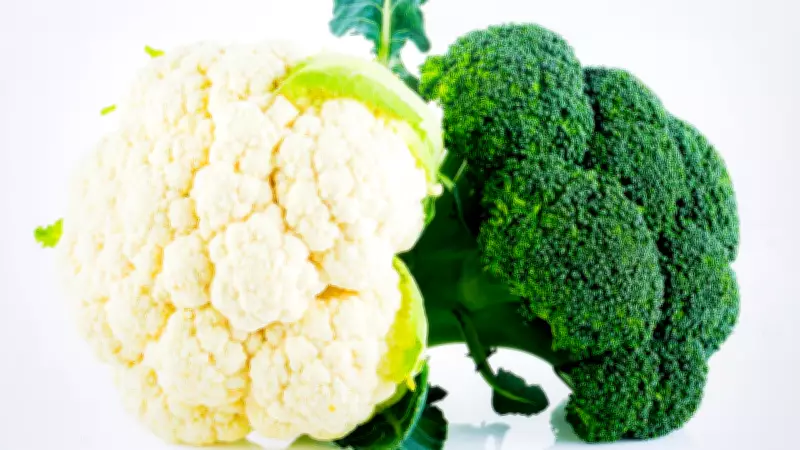
Broccoli and cauliflower look like close cousins, and they are. Both belong to the cruciferous family, known for their dense nutrition and disease-fighting compounds. But, when placed side by side on a plate, the question quietly lingers: which one is actually better?
The answer is not as simple as picking a winner. It depends on what the body needs, how the food is cooked, and even who is eating it. Nutrition rarely works in absolutes, and this comparison is a good example of that.
Nutrient Density
Both vegetables are low in calories and rich in vitamins, but broccoli pulls slightly ahead in overall nutrient density. It contains more vitamin C, vitamin K, iron, and potassium. A cup of broccoli can deliver more than 100% of daily vitamin C needs.

Cauliflower, on the other hand, is no underdog. It offers a good amount of vitamin B6, folate, and fiber. What makes it stand out is its versatility; it absorbs flavors easily and fits into more dishes.
Both vegetables are rich in antioxidants, but broccoli contains higher levels of compounds like sulforaphane, which has been studied for its role in reducing inflammation.
Calories and Weight Management
When it comes to calories, cauliflower has a slight advantage. One cup of cauliflower contains around 25 calories, while broccoli has about 30-35 calories per cup. This difference may seem small, but it adds up in calorie-controlled diets. Cauliflower is often used as a substitute for rice, flour, or even pizza crust. It works well for those trying to lose weight or manage blood sugar levels.
That said, broccoli’s higher fiber content can help with satiety, keeping hunger in check for longer periods.
Digestive Health and Gut Response
Both vegetables support gut health, but they do it differently. Broccoli contains more fiber, which promotes digestion and helps maintain a healthy microbiome. However, this same fiber can sometimes cause bloating in sensitive individuals. Cauliflower can also lead to gas, especially when eaten in large amounts, due to its raffinose content, a natural sugar that ferments in the gut.
For those with sensitive digestion, lightly steaming either vegetable often makes them easier to tolerate.
Disease Prevention
Broccoli has been studied more extensively for its potential role in disease prevention. Compounds like sulforaphane have shown promise in reducing the risk of certain cancers and supporting heart health. Research supported by the National Cancer Institute highlights the benefits of cruciferous vegetables.
Cauliflower also contains similar compounds, but in slightly lower concentrations. Still, it contributes to overall antioxidant intake and should not be overlooked.
Who Should Eat What
Choosing between broccoli and cauliflower depends on individual goals:
- For immunity and nutrient boost: Broccoli is a better pick due to its higher vitamin content.
- For weight loss or low-carb diets: Cauliflower fits better because of its lower calorie count and adaptability.
- For digestive comfort: It varies. Some tolerate cauliflower better, others prefer broccoli when cooked properly.
- For children or picky eaters: Cauliflower’s mild taste often makes it easier to include in meals.
There is no universal winner here. The body responds differently, and the best choice often lies in variety.
Disclaimer
This article is for informational purposes only and does not substitute professional medical advice. Dietary choices should be made based on individual health conditions and after consulting a qualified healthcare expert.