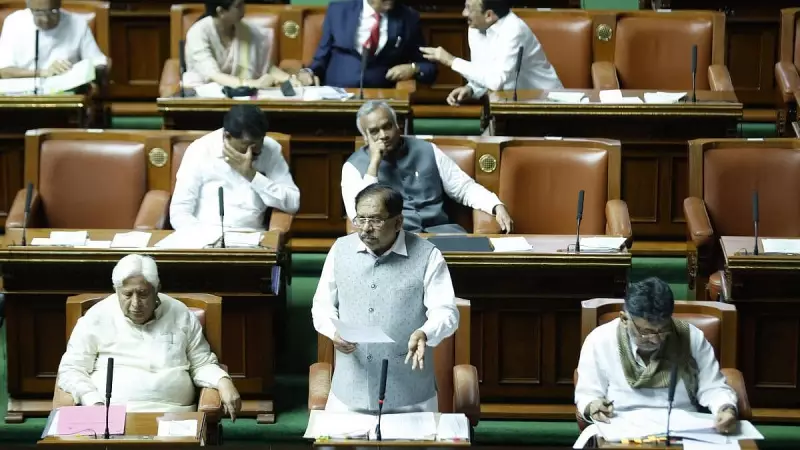
In a significant move aimed at streamlining healthcare services, the Karnataka Legislative Assembly has passed a crucial amendment to the Private Medical Establishments Act. The newly approved bill introduces a provision for six-month 'provisional registration' for new private hospitals and clinics, allowing them to commence operations without undergoing an initial inspection.
Key Provisions of the Amended Bill
The core change brought by the amendment centers on the registration process for new medical facilities. Previously, starting a private hospital or clinic involved a mandatory inspection before registration could be granted. The revised law, passed on 18 December 2025, removes this initial hurdle. Now, new establishments can secure a provisional registration valid for half a year immediately, based on their application and submitted documents.
This provisional window is designed to let healthcare providers begin serving patients without delay. However, it is not a permanent bypass. The six-month period is intended as a compliance buffer. Within these months, the relevant health authorities will conduct the necessary inspections to ensure the facility meets all the standards set by the law.

Rationale and Expected Impact
The amendment is seen as a measure to boost the availability of medical services, especially in areas needing quicker infrastructure deployment. By cutting red tape at the initial stage, the government hopes to encourage more investments in the private healthcare sector. Proponents argue that this will lead to faster establishment of hospitals and clinics, ultimately benefiting patients through increased access.
However, the bill also places a clear onus on the regulatory bodies. They must complete their verification and inspection processes within the provisional timeframe. The final, permanent registration will be contingent upon the facility satisfying all regulatory norms during this interim period.
Looking Ahead: Implementation and Oversight
The passage of the bill in the Assembly marks the completion of the legislative step. The focus now shifts to its implementation and the framework that will govern the provisional registration system. Key details regarding the application process, required documents, and the specific checklist for the mandatory inspection within six months will be crucial for its success.
Stakeholders in the healthcare industry will be watching closely to see how this balance between easing business operations and maintaining stringent quality control is managed. The amendment represents a notable shift in Karnataka's approach to regulating private medical establishments, with its effectiveness likely to be judged in the coming years.