Haryana Hospital's Facelift Exposes Critical Infrastructure Gaps
A recent renovation effort at a hospital in Haryana has come under intense scrutiny after significant infrastructure failures were exposed. The much-publicized facelift, intended to modernize facilities and improve patient care, has instead revealed alarming gaps in construction quality and maintenance protocols.
Leaking Roofs and Waterlogged Floors Compromise Safety
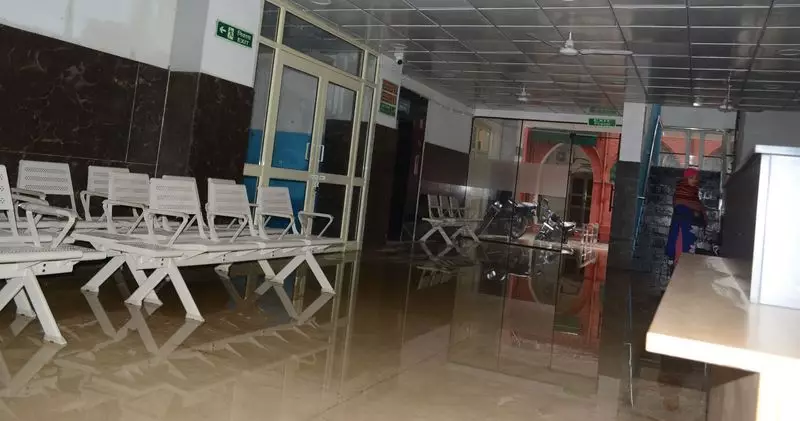
Investigations by The Tribune have uncovered persistent issues with leaking roofs and waterlogged floors throughout the hospital premises. These problems are not merely cosmetic; they pose serious risks to both patient health and medical equipment functionality. The water infiltration has led to damp walls, creating an environment conducive to mold growth and bacterial proliferation, which could exacerbate infections among vulnerable patients.
The situation highlights a critical disconnect between renovation promises and on-ground execution. Despite the facelift's completion, these fundamental flaws suggest that either the work was substandard or that pre-existing structural issues were inadequately addressed during the renovation process.

Patient Safety and Operational Disruptions
The infrastructure gaps have direct implications for hospital operations and patient safety. Waterlogged floors increase the risk of slips and falls for patients, staff, and visitors, particularly in high-traffic areas like corridors and waiting rooms. Additionally, leaking roofs threaten to damage sensitive medical equipment, potentially leading to costly repairs or replacements and disrupting essential healthcare services.
- Increased infection risks due to moisture and mold
- Potential damage to electrical systems and medical devices
- Compromised sterility in affected areas
- Reduced patient confidence in hospital facilities
Broader Implications for Healthcare Infrastructure
This incident raises broader questions about healthcare infrastructure management in Haryana and across India. It underscores the need for more rigorous quality control in public health facility renovations and better oversight mechanisms to ensure that facelift projects deliver tangible improvements rather than superficial changes.
The exposure of these gaps comes at a time when India is investing significantly in healthcare infrastructure upgrades. This case serves as a cautionary tale about the importance of addressing fundamental structural issues before undertaking cosmetic improvements. Proper drainage systems, waterproofing, and regular maintenance should be prioritized to prevent such failures in future renovation projects.
Hospital authorities have acknowledged the problems and stated that corrective measures are being implemented. However, the incident has sparked concerns about accountability and transparency in public works projects, particularly those involving critical healthcare infrastructure.