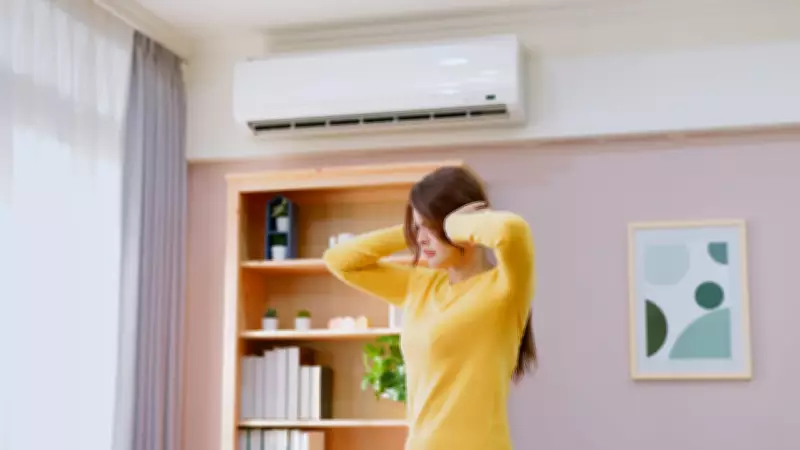
On a hot afternoon, stepping into an air-conditioned room feels like relief. The body cools down, the sweat settles, and everything seems easier. But that sharp shift from heat to cold is not always harmless. Many people notice headaches, blocked noses, or a scratchy throat after long hours in AC rooms.
So, can air conditioning actually make someone sick? Not directly. But the way it is used, maintained, and experienced by the body can quietly influence health in ways that often go unnoticed.
The shock your body feels: sudden temperature swings
The human body works best with gradual changes. When it moves from intense heat outside to a very cold indoor space, it struggles to adjust quickly. Dr Bharath Chhabria, Lead Consultant - Pulmonology and Critical Care, Manipal Hospital Yelahanka, explains, “Though air conditioner use may affect health, air conditioners do not cause illnesses directly. One of the most common issues is a quick transition to very cold air after being outdoors in hot weather. This rapid transition to cold air may worsen respiratory conditions, such as wheezing or sinus sensitivity, for some individuals, causing headaches, sore throats, congestion, and body aches.”

This explains why some people feel unwell after entering overly chilled spaces. The body’s natural defence system reacts to the sudden shift, especially in those already prone to sinus or breathing issues.
Dry air: the invisible irritant
Air conditioners do more than cool the air. They also remove moisture. Over time, this creates a dry indoor environment that affects the body in subtle ways. Dr Chhabria notes, “Another issue is dry air. Staying in an air-conditioned environment for long hours may cause dryness, dehydration, and irritation of the nasal and air passages. This is especially true if adequate fluid intake is not maintained.”
Dry air can lead to:
- A constant dry throat
- Irritated nasal passages
- Mild dehydration
- A lingering cough that feels hard to explain
A study published by the NIH highlights how low indoor humidity can irritate mucous membranes, making it easier for infections to take hold. The effect is gradual, which makes it easy to ignore until discomfort builds up.
When maintenance is ignored, problems multiply
An air conditioner is only as clean as its filters and ducts. When these are neglected, the machine can circulate more than just cool air. Dr Chhabria warns, “Inadequately maintained ACs can be potentially very dangerous from a health perspective. If filters and ducts are not cleaned regularly, dust, mold, bacteria, and other allergens can build up, which will then get spread into the interior space.”
This can trigger:
- Allergy flare-ups
- Asthma attacks
- Continuous sneezing or coughing
The United States Environmental Protection Agency has also linked poor indoor air systems to worsening respiratory health. Clean air systems matter more than most people realise.
Why some people feel worse than others
Not everyone reacts the same way to air conditioning. Some people sit comfortably for hours, while others develop symptoms quickly. The difference often comes down to:
- Pre-existing respiratory conditions
- Hydration levels
- Sensitivity to allergens
- Time spent continuously indoors
People with asthma, sinus issues, or allergies tend to notice the effects sooner. For them, even a small trigger like dry air or dust can set off symptoms.
Smart ways to use AC without harming your health
Air conditioning does not need to be avoided. It simply needs to be used wisely. Dr Chhabria advises, “To stay healthy, set your air conditioner to a reasonable temperature, ideally between 24°C and 26°C, rather than excessively cold settings. Make sure to service and clean your filters and ensure ventilation indoors wherever possible and always try to stay hydrated.”
A few thoughtful habits can make a difference:
- Avoid extreme cooling right after coming indoors
- Drink enough water through the day
- Take short breaks outside for fresh air
- Keep AC filters clean and serviced regularly
Even small adjustments can reduce the strain on the body.

Comfort should not come at a cost
Air conditioners are designed to make life easier, especially in regions where heat can be intense. But comfort should not quietly compromise health. As Dr Chhabria puts it, “The purpose of air conditioning is to make you more comfortable, but not at the expense of your health. Smart usage and proper maintenance make all the difference.” That balance is what truly matters.
This article includes expert inputs shared with TOI Health by Dr Bharath Chhabria, Lead Consultant - Pulmonology and Critical Care, Manipal Hospital Yelahanka. Inputs were used to explain how air conditioning can affect health through sudden temperature changes, dry indoor air, and poorly maintained systems, while highlighting the importance of proper usage and regular maintenance to reduce health risks.