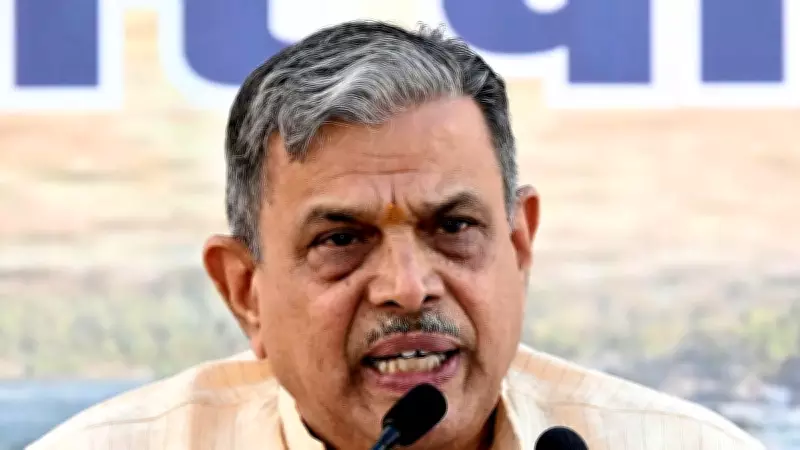
RSS general secretary Dattatreya Hosabale has firmly rejected comparisons between the Rashtriya Swayamsevak Sangh (RSS) and the white supremacist group Ku Klux Klan (KKK), calling such notions a misunderstanding prevalent in the United States.
Addressing Misconceptions in the US
Speaking at an interactive session during the New India Conference organized by the Hudson Institute in Washington, D.C., Hosabale clarified that the RSS is fundamentally different from the KKK in its ideology and objectives. He emphasized that the RSS is a cultural and nationalist organization focused on community service and nation-building, not a hate group.
Context of the Comparison
The comparison between the RSS and the KKK has been a recurring theme in some Western academic and media circles, often based on superficial similarities such as organizational structure or emphasis on cultural identity. However, Hosabale argued that such parallels are inaccurate and ignore the RSS's commitment to non-violence and social harmony.

RSS's Role in India
Hosabale highlighted the RSS's extensive work in community service, including disaster relief, education, and healthcare initiatives. He noted that the organization has millions of volunteers who contribute to social welfare across India, which stands in stark contrast to the KKK's history of racial violence and terrorism.
The session also touched upon the RSS's relationship with the Bharatiya Janata Party (BJP), the ruling party in India. Hosabale clarified that while the RSS shares ideological affinities with the BJP, it operates independently and focuses on cultural and social activities rather than direct political engagement.
Reactions and Implications
Hosabale's remarks are part of a broader effort by the RSS to improve its image internationally, particularly in the United States, where it has faced criticism from human rights groups and some lawmakers. By addressing these misconceptions directly, the RSS aims to foster a better understanding of its role in Indian society.
The event was organized by the Hudson Institute, a prominent American think tank, and saw participation from scholars, policymakers, and members of the Indian diaspora. Hosabale's clarification is expected to contribute to a more nuanced discussion about the RSS's activities and ideological stance.