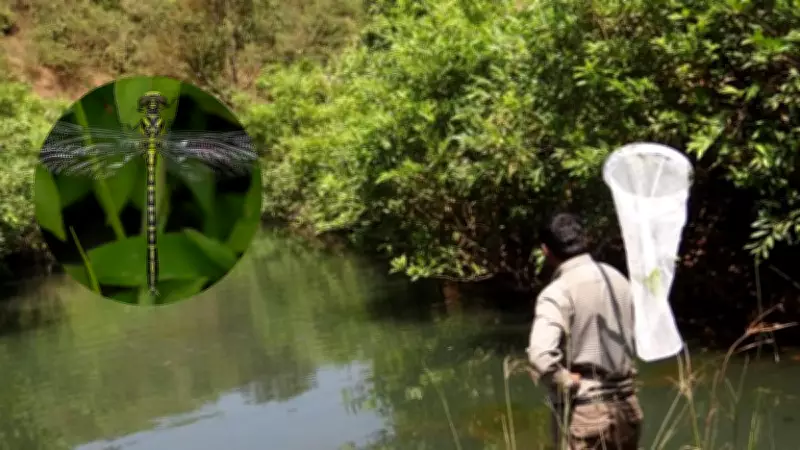
A recent study has raised alarm over the declining populations of dragonfly and damselfly species in the Western Ghats, a biodiversity hotspot in India. The research, conducted by scientists from various institutions, highlights a worrying trend that could have significant implications for the region's ecosystem.
Study Findings
The study, published in the journal Biological Conservation, analyzed data spanning over a decade. It found that several species of dragonflies and damselflies have experienced a sharp decline in numbers. Factors such as habitat loss, climate change, and pollution are believed to be the primary drivers of this decline.
Importance of Dragonflies and Damselflies
Dragonflies and damselflies are crucial indicators of ecosystem health. They serve as both predators and prey in aquatic and terrestrial food webs. Their decline can disrupt the balance of ecosystems, affecting other species and the overall health of the environment.

Conservation Concerns
The Western Ghats, a UNESCO World Heritage Site, is home to a rich diversity of flora and fauna. The loss of dragonfly and damselfly species is a red flag for conservationists. Urgent measures are needed to protect their habitats and mitigate the impacts of climate change and human activities.
Call for Action
Researchers are calling for increased monitoring and conservation efforts. They emphasize the need for sustainable development practices that minimize habitat destruction. Public awareness and community involvement are also critical to preserving these vital species.
This decline is not just a loss of biodiversity but also a warning about the health of our ecosystems. Protecting dragonflies and damselflies is essential for maintaining the ecological balance of the Western Ghats.