

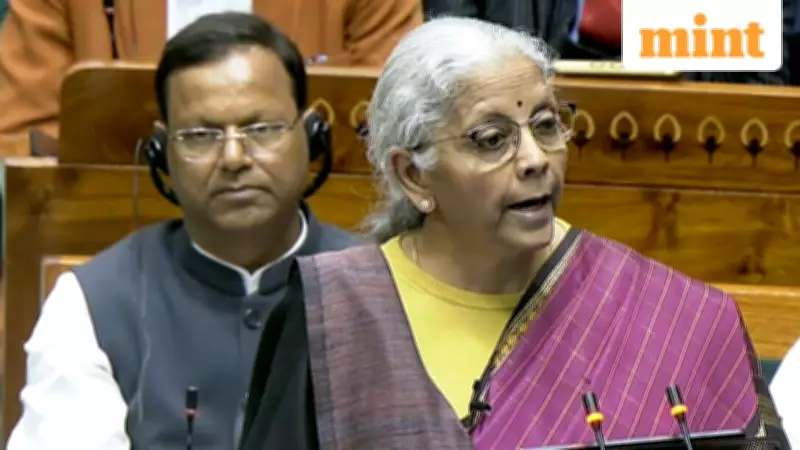
In a landmark budget presentation on Sunday, Finance Minister Nirmala Sitharaman unveiled comprehensive plans to revolutionize India's healthcare landscape, focusing on accessibility, traditional integration, and career opportunities for the nation's youth. This ninth consecutive budget by Sitharaman, notably delivered on a Sunday for the first time in over a decade, emphasizes bridging gaps between advanced emergency care and holistic wellness practices.
Strengthening Healthcare Infrastructure Nationwide
The budget outlines a multi-pronged strategy to enhance medical services across India. A key proposal involves the creation of five regional medical hubs through a new scheme that will decentralize high-end healthcare services. This initiative aims to make specialized treatments more accessible to citizens in various regions, reducing the burden on metropolitan centers.
Expansion of District Hospitals and Emergency Care
To bring critical care closer to communities, the government plans to increase the capacity of district hospitals by 50% by establishing new emergency and trauma centers. This expansion is designed to ensure faster, life-saving interventions during medical emergencies, potentially saving countless lives through improved response times and localized treatment facilities.

Boosting Mental Health and Neurological Services
Recognizing the growing need for mental health support, the budget proposes a significant expansion of the National Institute of Mental Health and Neuro Sciences (NIMHANS) in Bengaluru. By scaling this premier institution's expertise, the government aims to meet rising national demand for mental health services and advance neurological research, addressing a critical gap in India's healthcare system.
Integrating Traditional Medicine with Modern Healthcare
In a move to promote holistic wellness, the budget includes plans to establish three new All India Institutes of Ayurveda. These institutes will integrate traditional Ayurvedic practices into the broader national healthcare framework, offering a balanced approach that combines ancient wisdom with contemporary medical science.
Creating New Career Paths in Healthcare
The infrastructure upgrades are complemented by a massive workforce development initiative. Over the next five years, the government plans to add 100,000 healthcare professionals and train 150,000 caregivers. This expansion not only aims to improve patient recovery and support doctors but also opens up diverse career opportunities in allied health, caregiving, and medical tourism for India's youth.
Supporting Structural Upgrades with Trained Personnel
To ensure the success of these structural enhancements, the budget emphasizes the importance of skilled human resources. The training of caregivers and addition of healthcare professionals will be crucial in implementing the proposed expansions effectively, creating a robust ecosystem that supports both preventive and curative healthcare services.
This comprehensive healthcare push in Budget FY27 represents a strategic investment in India's future well-being, combining infrastructure development, traditional medicine integration, and workforce expansion to create a more accessible and holistic healthcare system for all citizens.






